
Oregon Marine Patrols to Focus on Impaired Boating Over Fourth of July Weekend
Oregon marine officers will take part in Operation Dry Water from July 3 through July 5, focusing on impaired boating during the busy Fourth of July weekend. Officials remind boaters that alcohol, drugs, sun, wind, and cold water can quickly turn a day on the water dangerous.
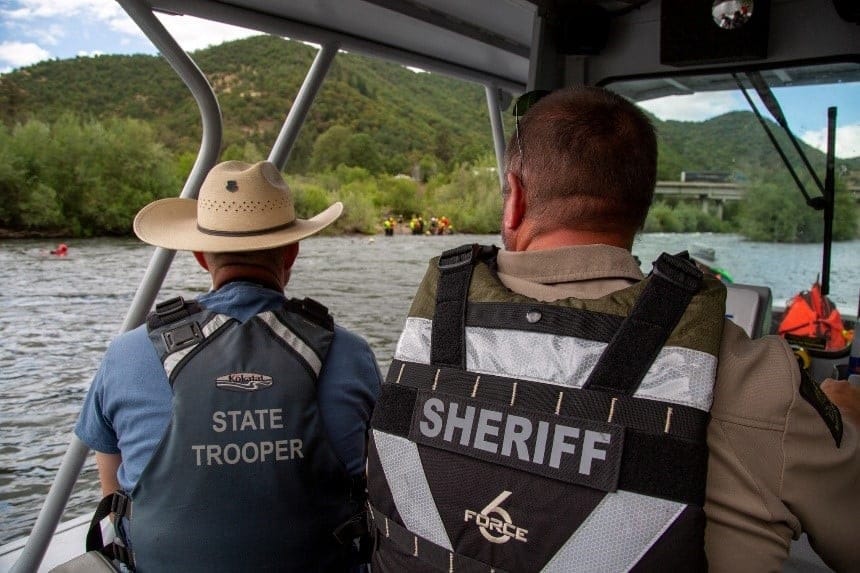
Oregon marine officers will be watching for impaired boat operators over the Fourth of July weekend as part of a statewide safety effort aimed at reducing serious boating accidents and fatalities.
The Oregon State Marine Board is partnering with marine law enforcement agencies across Oregon for Operation Dry Water, a nationally coordinated campaign running July 3 through July 5. The effort focuses on boating under the influence of intoxicants, commonly referred to as BUII.
Officials say impaired boating can involve more than alcohol. Prescription medications, marijuana, inhalants, or a combination of substances can all affect a person’s ability to safely operate a boat. On the water, impairment can become even more dangerous because of glare from the sun, wind, waves, motion, heat, and fatigue.
Alcohol can also increase dehydration, which adds another risk if someone unexpectedly falls into cold water. Marine safety officials say that danger is especially serious when a person is not wearing a life jacket.
A BUII conviction can carry significant consequences, including possible jail time, a fine of up to $6,250, and the loss of boating privileges. Marine officers may also obtain blood, breath, or urine samples if a boat operator fails field sobriety testing. Officials also note that a boat operator who loads a boat onto a trailer after leaving the water could face a DUII charge if impaired.
Brian Paulsen, Boating Safety Program Manager for the Oregon State Marine Board, said recreational boating is generally safe when people stay sober, wear life jackets, and remain aware of what is happening around them. According to the Marine Board, this year’s boating fatalities have commonly involved people not wearing life jackets, falling overboard, and alcohol use.
Boaters who see someone operating dangerously or appearing impaired are encouraged to call 911. Helpful information includes the type of boat, identifying features, the number of people on board, what the operator is doing, the nearest boat ramp, and the boat’s registration numbers or letters if visible.
More information about the national campaign is available at operationdrywater.org.
Comments ()