
FEMA Denies Federal Firefighting Assistance for Two Major Oregon Wildfires
FEMA has denied Oregon's requests for federal firefighting assistance grants for the East Evans Creek Fire and Rowe Creek Fire Complex while approving three other wildfire requests. Oregon lawmakers are seeking an explanation for the differing decisions.
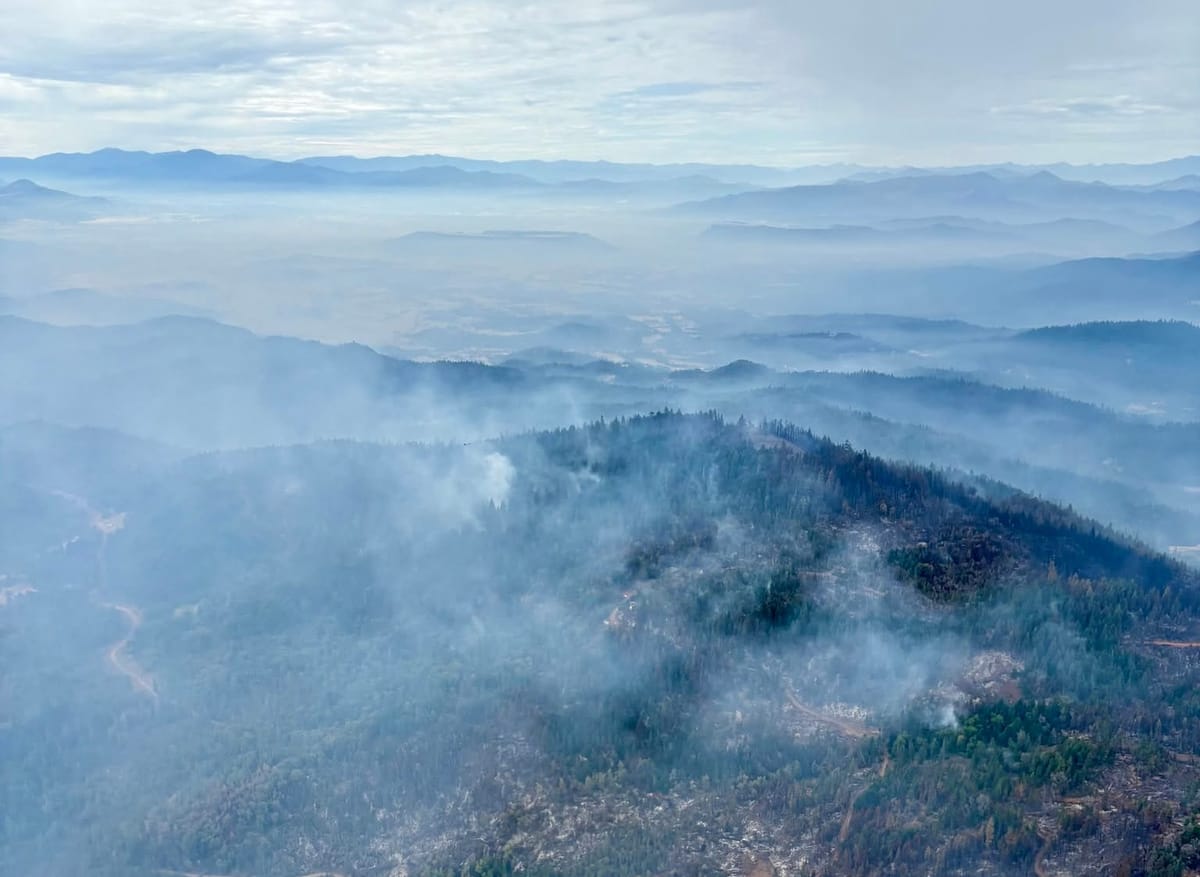
The Federal Emergency Management Agency has denied Oregon’s requests for federal firefighting assistance for two major wildfires while approving similar requests for three others burning across the state.
FEMA approved Fire Management Assistance Grants for the Lower Dry Creek, Akawa Butte and Grasshopper fires. Requests for the East Evans Creek Fire and Rowe Creek Fire Complex were denied.
The decisions have prompted Oregon Sens. Ron Wyden and Jeff Merkley to ask FEMA whether its approval standards have changed and why the two fires did not qualify for assistance.
What Is a Fire Management Assistance Grant?
The Fire Management Assistance Grant program, commonly called FMAG, helps state, local and tribal governments pay eligible expenses associated with managing and controlling fires that threaten to become major disasters.
Under the program:
- FEMA pays 75% of eligible firefighting costs.
- The state or other nonfederal sources cover the remaining 25%.
- Funding is provided to government agencies and does not go directly to residents affected by a fire.
- A state must submit its request while a fire is actively burning and threatening enough damage to potentially qualify as a major disaster.
Eligible expenses can include:
- Firefighting equipment and supplies
- Field camps
- Mobilization and demobilization
- Emergency operations
- Evacuations
- Labor and contract work
- Certain costs associated with protecting threatened infrastructure
Additional information about the program is available through FEMA’s Fire Management Assistance Grant page. FEMA says the program provides assistance for fires that threaten destruction severe enough to constitute a major disaster.
East Evans Creek Fire Request Denied
Oregon’s request for assistance with the East Evans Creek Fire was denied July 22.
According to information provided by Wyden and Merkley, the fire had reached nearly 16,000 acres at the time of the decision. More than 230 homes were under Level 3 “Go Now” evacuation notices.
The fire was also reported to be threatening:
- County, state and federal roads and bridges
- Radio and cellphone towers
- Gas and electrical utilities
- Campgrounds and trails
- Retail businesses
- Irrigation infrastructure
- Agricultural operations
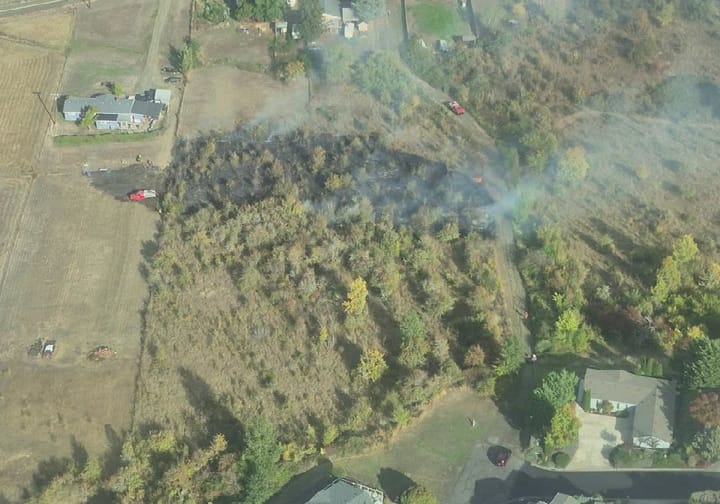
The East Evans Creek Fire burned in Jackson County near the Douglas County line and prompted evacuation notices along portions of the Tiller-Trail Highway corridor.
Rowe Creek Fire Complex Request Denied
FEMA denied Oregon’s request for the Rowe Creek Fire Complex on July 24.
At the time, more than 400 people were under Level 3 evacuation notices, according to the senators’ letter. The complex was also threatening electrical infrastructure, public safety communications, commercial radio equipment and transmission lines.
The fire continued growing after the denial, surpassing 200,000 acres as officials prepared for the possibility that it could merge with the nearby Brewer Fire.
FEMA Approved Three Other Oregon Requests
Although the East Evans Creek and Rowe Creek requests were denied, FEMA authorized federal funding for three other fires in Oregon:
- Lower Dry Creek Fire
- Akawa Butte Fire
- Grasshopper Fire
FEMA said in its approval announcements that federal assistance was authorized after determining the fires threatened enough destruction to potentially become major disasters.
The approved grants make federal funding available for 75% of eligible firefighting expenses. FEMA’s authorization for the Akawa Butte Fire noted that qualifying expenses can include field camps, equipment use, materials, supplies and mobilization or demobilization costs.
Lawmakers Ask FEMA to Explain Decisions
Wyden and Merkley sent a letter to FEMA officials Tuesday seeking additional information about how the agency evaluated Oregon’s requests.
According to the senators, FEMA indicated that the East Evans Creek and Rowe Creek fires did not meet the criteria for a major disaster declaration.
The senators questioned whether that represents a stricter standard than the one traditionally used for the grant program. They said FMAG funding is intended to help control dangerous fires before they grow into major disasters rather than requiring a disaster to occur before assistance becomes available.
Their letter asks FEMA to explain:
- The criteria used to evaluate Oregon’s five requests
- Why the East Evans Creek and Rowe Creek fires did not qualify
- Whether FMAG eligibility standards changed between 2025 and 2026
- What information FEMA considers when evaluating evacuation levels, threatened homes and infrastructure
- How many FMAG requests have been approved or denied in recent years
- Whether FEMA will use the same criteria consistently throughout the remainder of wildfire season
The senators requested a response from FEMA by Aug. 10. Their complete statement and letter are available through Wyden’s Senate website.
What the Decisions Mean
The denials do not prevent Oregon or local agencies from continuing to fight the fires. However, expenses that would have qualified for federal reimbursement under an approved grant may instead have to be covered through state, local or other available funding.
FEMA had not publicly released a detailed explanation Wednesday outlining why the East Evans Creek and Rowe Creek requests were denied while the three other Oregon requests were approved.

Comments ()