
Douglas County Wildfire Project Receives $1.29 Million for Fuel Breaks
Douglas County’s Little River Landscape Resiliency Project will receive $1.29 million to create fuel breaks along Lane Mountain, the Little River drainage, and Cavitt Creek. The work is part of a $10 million state investment in wildfire risk reduction.
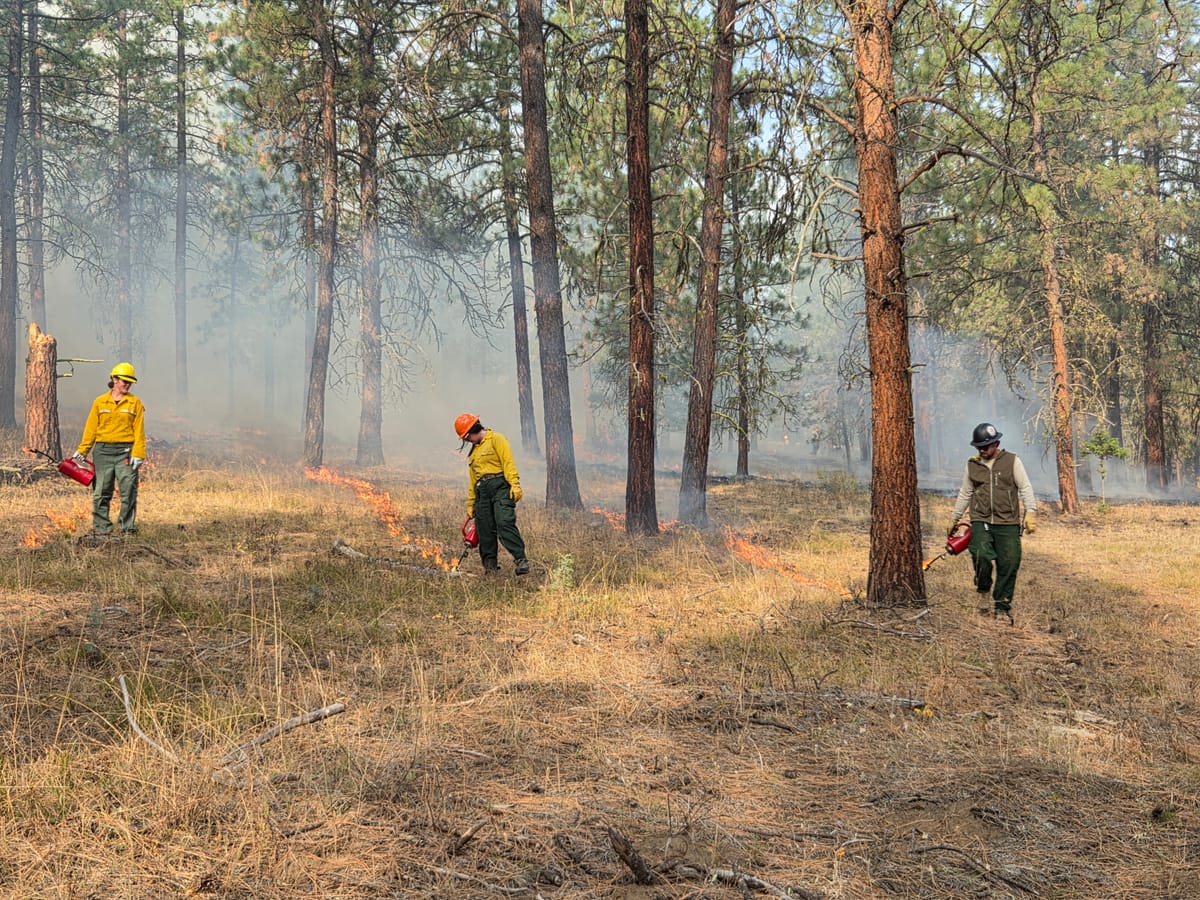
A project to build fuel breaks along Lane Mountain, the Little River drainage, and Cavitt Creek will receive $1.29 million from the Oregon Department of Forestry as part of a broader effort to reduce wildfire risk.
The Little River Landscape Resiliency Project in Douglas County is one of three projects sharing $10 million in state funding announced Oct. 12. Together, the projects cover more than 6,400 acres in Douglas, Grant, Jackson, and Josephine counties.
ODF said the Douglas County work will improve access for firefighters and help reduce wildfire intensity in high-risk areas. Fuel breaks create areas with less vegetation available to burn, giving crews more options when responding to a fire.
The awards support Oregon’s 20-year landscape resiliency strategy, which coordinates work across public, private, and Tribal lands. Depending on local conditions, that work can include thinning crowded forests, removing brush, using prescribed fire, or planting trees better suited to the site.
“Every responsibly managed acre helps reduce wildfire risk around communities and improves the long-term health of Oregon’s forests and rangelands,” said Josh Barnard, ODF’s Forest Resources Division chief.
The largest award, $4.85 million, will fund the Hotshot Rx Connect project in Jackson and Josephine counties. Crews will thin forest stands and conduct prescribed burns across nearly 2,700 acres, with the goal of reducing hazardous fuels, improving forest health, and keeping access routes available for wildfire response.
In Grant County, the John Day Landscape Resiliency Project will receive $3.46 million for work across 3,400 acres. Plans include forest thinning, removing junipers that compete with other trees for water, and developing longer-term wildfire risk reduction plans. A recent 57-acre prescribed burn near Monument provides an example of the collaborative work underway in that area.
ODF also pointed to treatments near Black Butte Ranch as an example of how forest management can help during a wildfire. Before the Akawa Butte Fire reached the area this summer, partners had thinned ponderosa pine stands and cleared roadside brush through the Central Oregon Shared Stewardship Project.
Jenna Nelson, ODF’s state initiatives grant coordinator, said those treatments gave firefighters safer places to work along roads and allowed crews to begin backburning without first clearing additional vegetation. She said treated areas burned less intensely, leaving more trees alive and improving the forest’s chances of recovery.
Along with the physical work, the new funding will support planning among state and federal agencies, local partners, and landowners to identify priority areas for future projects.
Landowners and organizations interested in participating in future landscape resiliency projects can contact their local ODF office. Information about earlier projects is available through ODF’s Landscape Resiliency Program website.
Comments ()