
Douglas County Partners Map Youth Resources And Identify Service Gaps
Douglas County organizations gathered at the Roseburg Public Library to map youth resources, identify service gaps and improve how families connect with behavioral health, education, justice and community support programs.
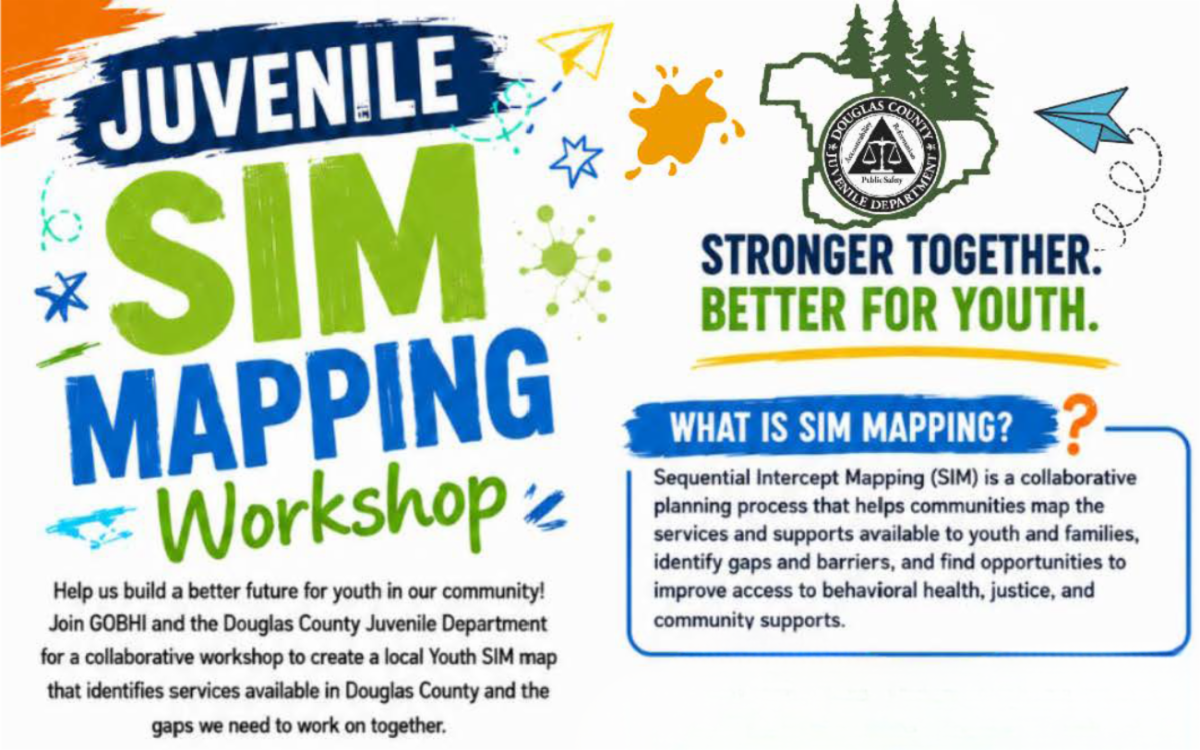
ROSEBURG, Ore. - Representatives from schools, behavioral health providers, law enforcement and community organizations gathered Tuesday to examine how Douglas County youth and families connect with local services and where additional support may be needed.
The Douglas County Juvenile Department hosted the free Sequential Intercept Mapping workshop Sept. 15 at the Roseburg Public Library. The Oregon Center on Behavioral Health and Justice Integration sponsored and facilitated the event.
The Sequential Intercept Model allows communities to map how people interact with behavioral health and justice systems. Participants examined services ranging from early community-based support and law enforcement response to courts, treatment, reentry and ongoing assistance.
Douglas County Juvenile Director Wendy Lang said the county has many resources for young people, but finding and navigating those services can be difficult for families and the organizations assisting them.
“We know that navigating through the maze of agencies and resources can be challenging for parents, youth and community partners,” Lang said. “This SIM workshop is designed specifically for Douglas County to come together and inventory our youth resources and gaps, identify behavioral health services, meet community partners and introduce youth evidence-based practices.”
Lang applied for the workshop through the Oregon center’s grant process. Douglas County was selected for one of eight free workshops the organization offers in Oregon each year, according to the county.
During the session, participants identified existing programs, possible barriers to accessing them and opportunities for agencies to coordinate more closely. The discussion also considered where earlier intervention could help prevent challenges from escalating into a crisis.
Commissioner Chris Boice, the county’s liaison to the Juvenile Department, said connecting young people and families with support early can change the direction of a young person’s life.
“This workshop is an opportunity to look at how we, as a community, can do a better job of supporting kids early, giving families the tools they need and helping young people build a successful future,” Boice said.
Organizations represented at the workshop included the Douglas County Juvenile Department, Douglas County Sheriff’s Office, Douglas Educational Service District, Umpqua Health, Adapt, United Community Action Network, Peace at Home, Take Root, Phoenix School, South Umpqua School District, Umpqua Community College and several state agencies and community organizations.
Lang said the effort is intended to do more than produce a directory of available programs. Participants examined how youth and families move between agencies and where communication or access could be improved.
“Our goal is to make it easier for youth and families to find and access the right resources when they need them, whether at 2:00 p.m. on a Tuesday or 2:00 a.m. on a Saturday,” Lang said.
The Oregon Center on Behavioral Health and Justice Integration will compile the information collected during the workshop and develop a customized strategic action plan for Douglas County. The plan is expected to outline identified needs and establish measurable priorities for improving coordination among local service providers.
Comments ()