
Umpqua Valley Farm to School Awarded $234,206 USDA Grant To Expand Local Food Education In Douglas County
Umpqua Valley Farm to School has received a $234,206 USDA grant to expand local food education, school garden programs, and farm-to-school purchasing in Roseburg, Yoncalla, and South Umpqua.
ROSEBURG, Ore. — Umpqua Valley Farm to School has received a $234,206 award through the USDA Patrick Leahy Farm to School Grant Program, a two-year grant aimed at expanding food education and local procurement in Douglas County schools. The USDA’s award listing says the Roseburg-based organization will use the funding to expand education and local purchasing across Yoncalla School District, South Umpqua School District, and Roseburg Public Schools while building on existing Harvest for Schools and Harvest of the Month efforts.
According to the USDA award list, Umpqua Valley Farm to School was one of only two Oregon organizations selected for funding in this round.
Erin Maidlow, executive director of Umpqua Valley Farm to School, said the grant comes at a critical time for the nonprofit after it missed out on a separate Oregon Department of Education grant this year. She said the federal award will provide needed stability and allow the organization to rehire staff as it expands school garden education, food system instruction, and local procurement efforts in Douglas County.
Maidlow said the grant will help Umpqua Valley Farm to School rebuild staffing, expand curriculum, and strengthen partnerships between schools and local farms. She said the organization expects the project to directly reach about 2,000 students in Roseburg, Yoncalla, and South Umpqua, though the nonprofit reached about 4,600 students overall in 2025. She said work tied to the grant could begin as early as May 1.
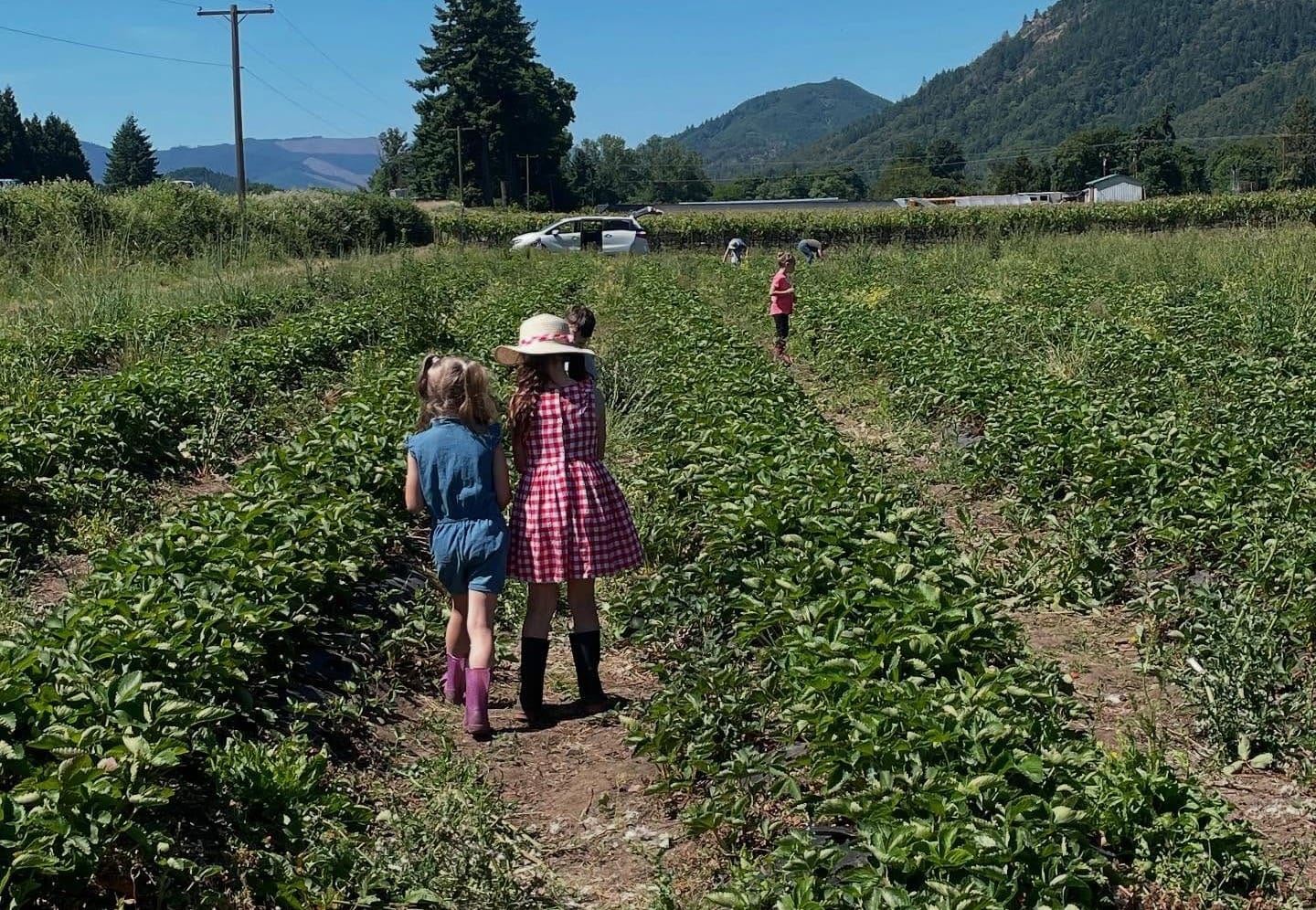
Maidlow said the grant is designed not only to expand education, but also to address one of the biggest barriers to getting local food into schools: logistics. She said schools and farms often want to work together, but delivery and coordination can be difficult, especially for small producers. Through its food hub, Umpqua Valley Farm to School works with about 25 local farms and helps aggregate products to make school purchasing more practical. The food hub operates under the name Umpqua Grown. Maidlow said community members can learn more by visiting UVF2S.org and clicking the “Umpqua Grown” tab in the site menu.
“It’s really hard for them to do it on their own because they either have to drive to the farm themselves or the farm has to deliver, which no one has time for,” Maidlow said.
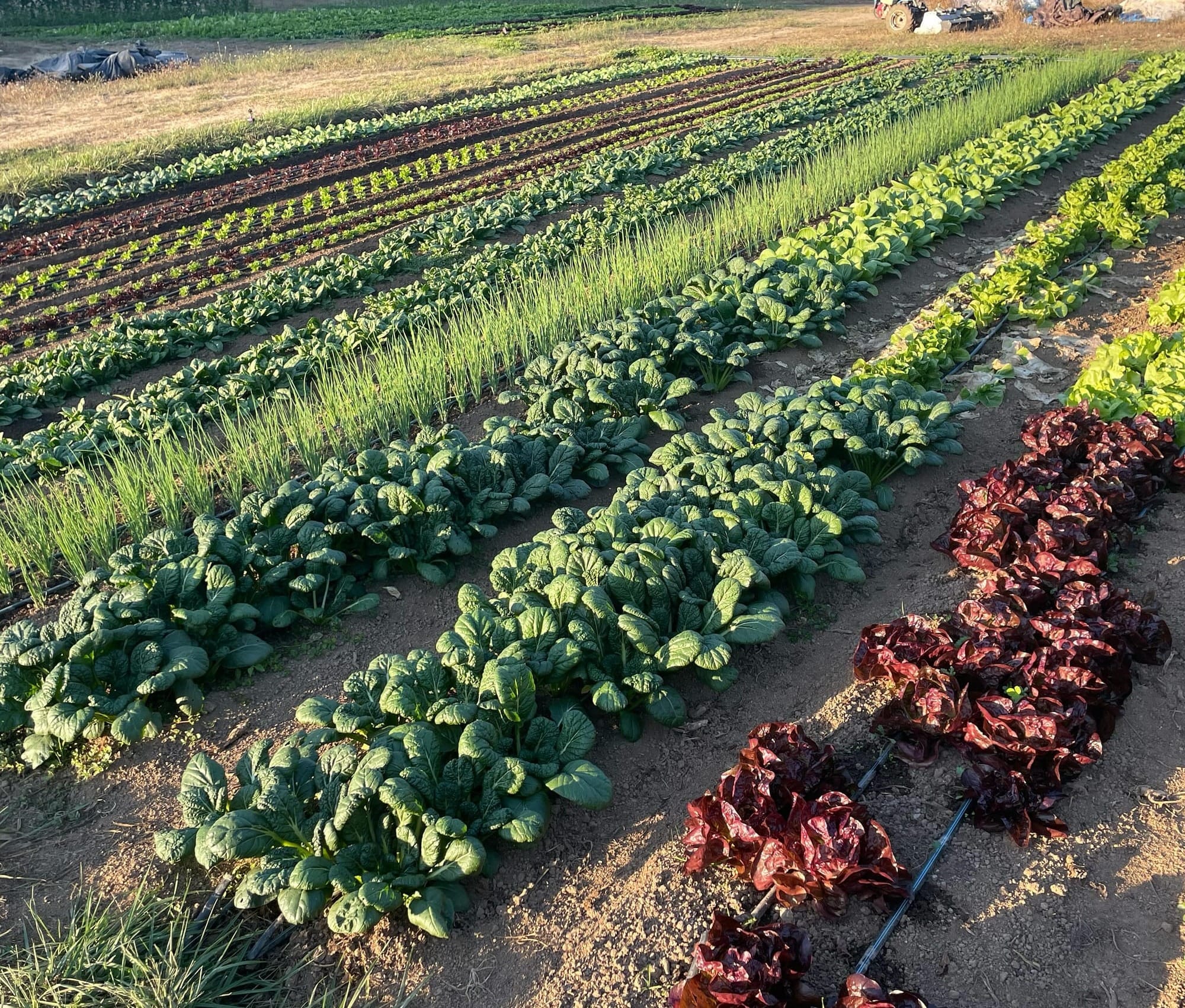
To address that, Umpqua Valley Farm to School is continuing to build out its food hub model. Maidlow said the hub includes an online marketplace and subscription box program and can help schools by aggregating products from multiple farms into a single delivery.
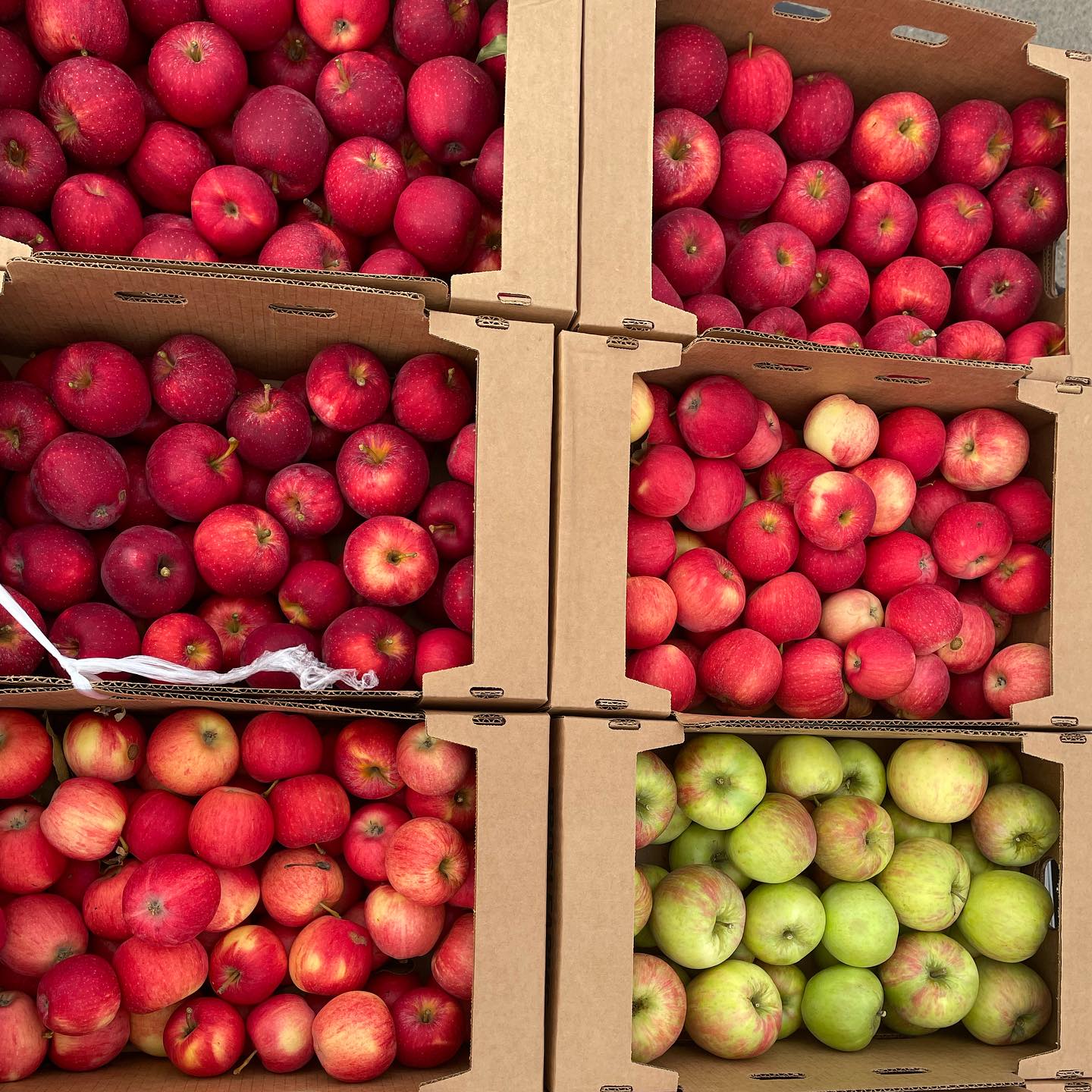
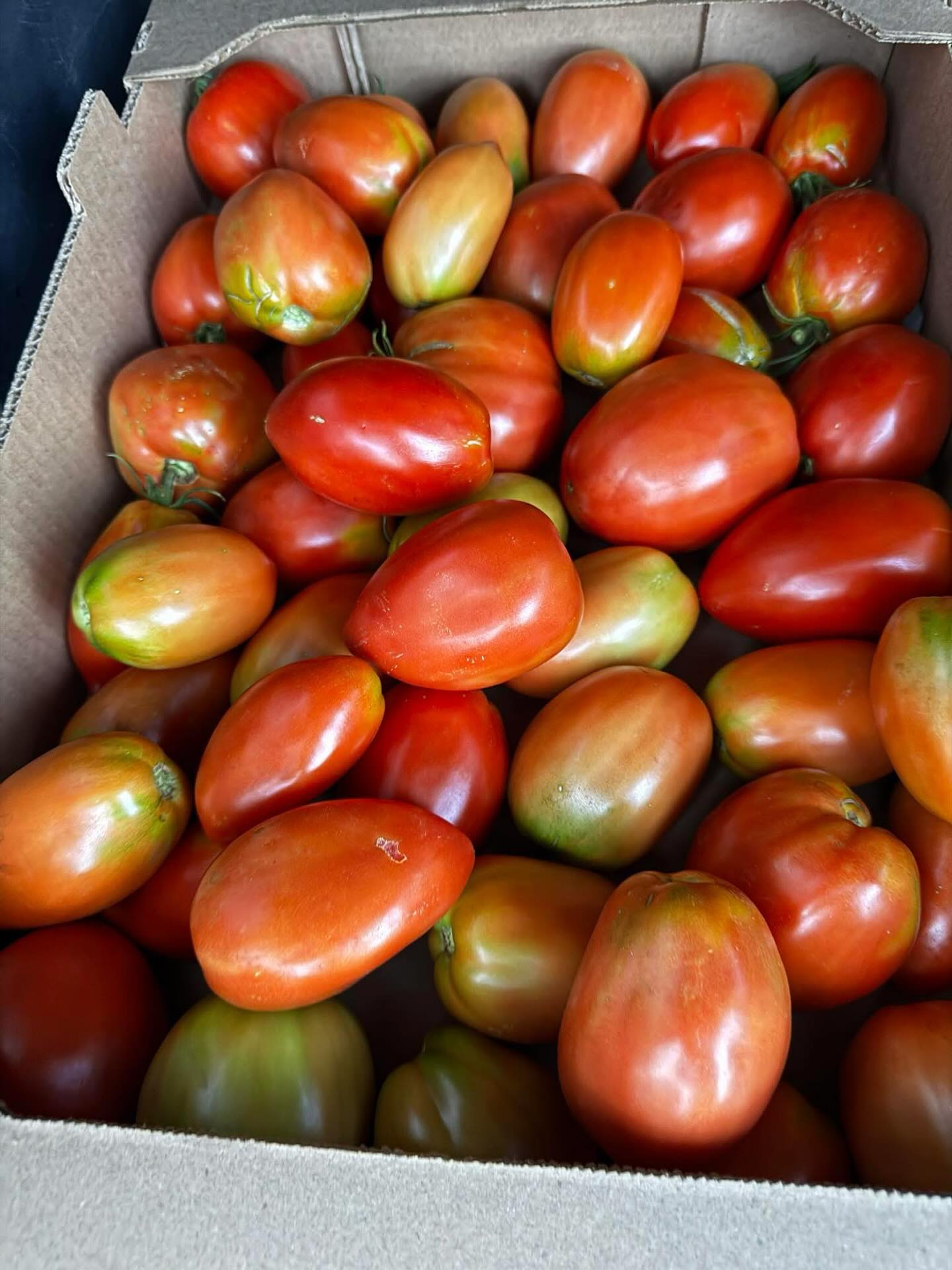
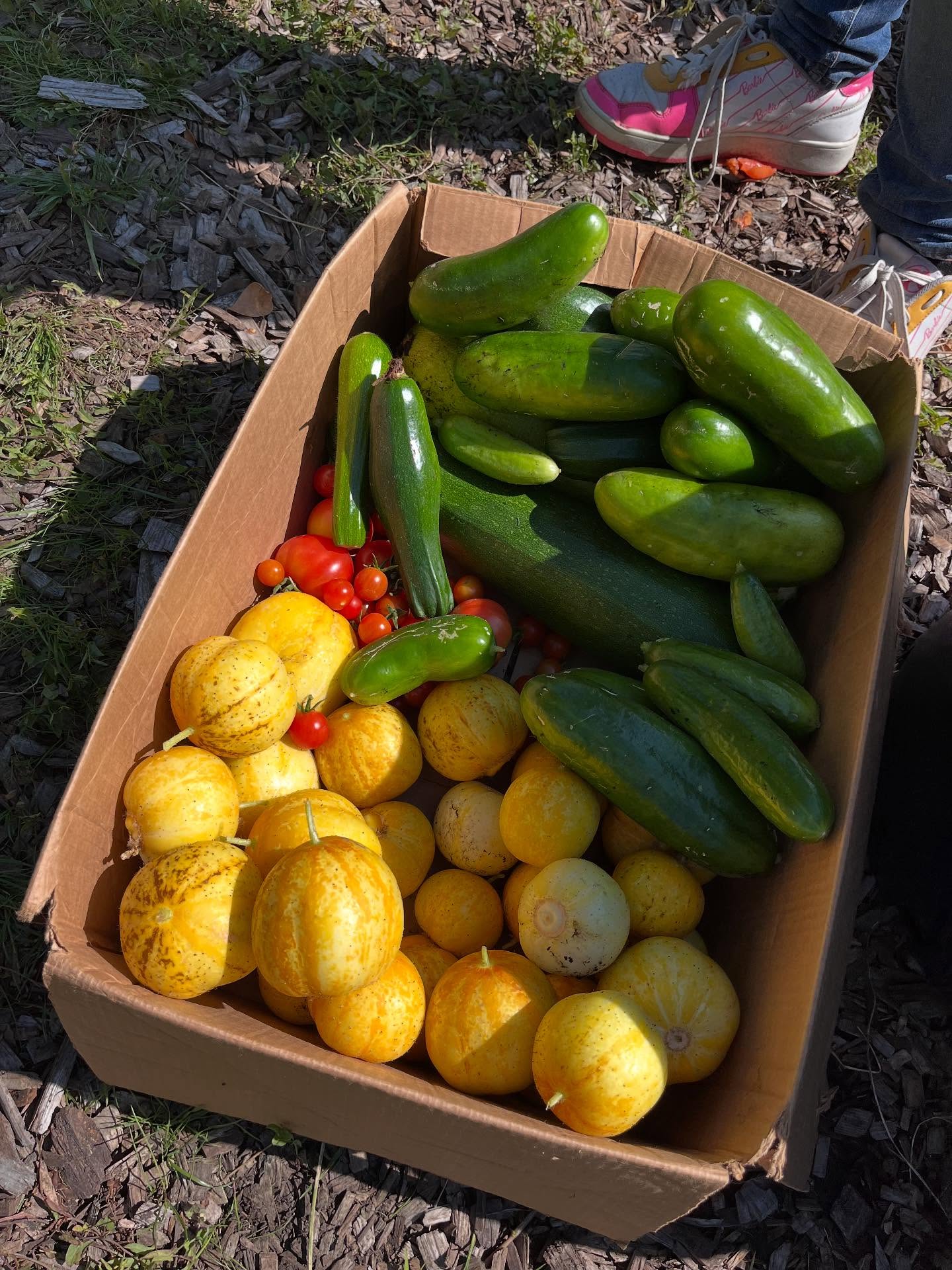
Courtesy of Umpqua Valley Farm to School
“One farm usually can’t provide enough cherry tomatoes for a school, but if we can say this school needs 40 cases of cherry tomatoes, we can gather them from all these different farms and just make one delivery to school,” Maidlow said.
Maidlow said the USDA grant will help expand that work while also deepening the educational side of the program.
“Our plan for the grant is to increase institutional sales to schools and build those partnerships between farms and schools a lot more, and then do education around that, too,” Maidlow said. “We’re already teaching how to grow the food and how to cook the food, but this is going to go a little bit more into depth about Oregon agriculture and region-specific what our food system means to us.”
She said Umpqua Valley Farm to School currently works directly with about six school gardens, while there are more than 30 school gardens across Douglas County. Many of those gardens, she said, go underused because teachers are often stretched thin and do not have time to lead programs in addition to their regular classroom work.
Maidlow said the organization is also shifting toward a model that asks schools to take more ownership through volunteers and garden committees so programs can remain sustainable long term.
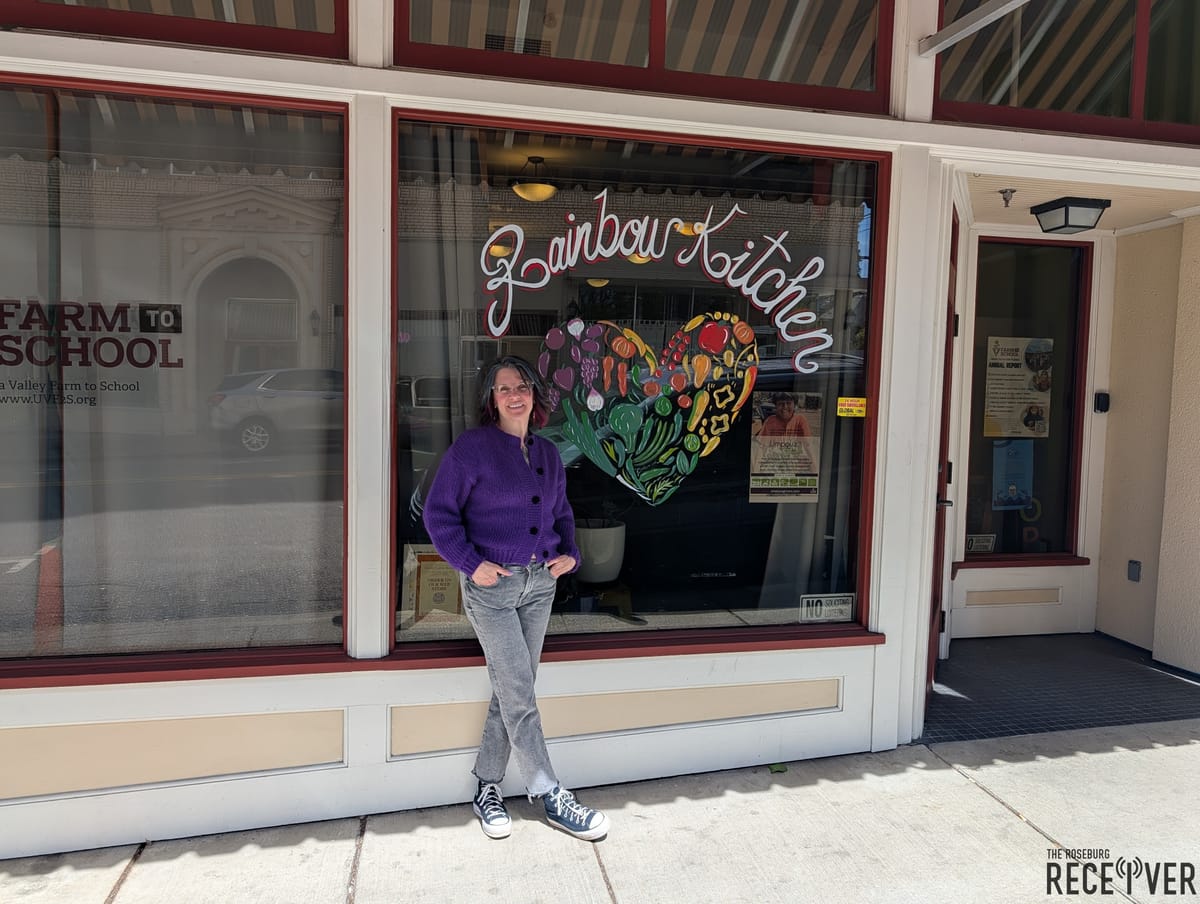
The nonprofit’s food hub also includes Rainbow Kitchen, a shared commercial kitchen in Roseburg that Umpqua Valley Farm to School describes as a space for food entrepreneurs, chefs, and small businesses. The facility includes professional equipment, cold and dry storage, and membership-based access, which can help generate revenue to support the organization’s broader education work. Maidlow said the kitchen also supports recipe preparation for school tastings, including the group’s Harvest of the Month program, which features seasonal items from local farms for students to sample in school cafeterias.
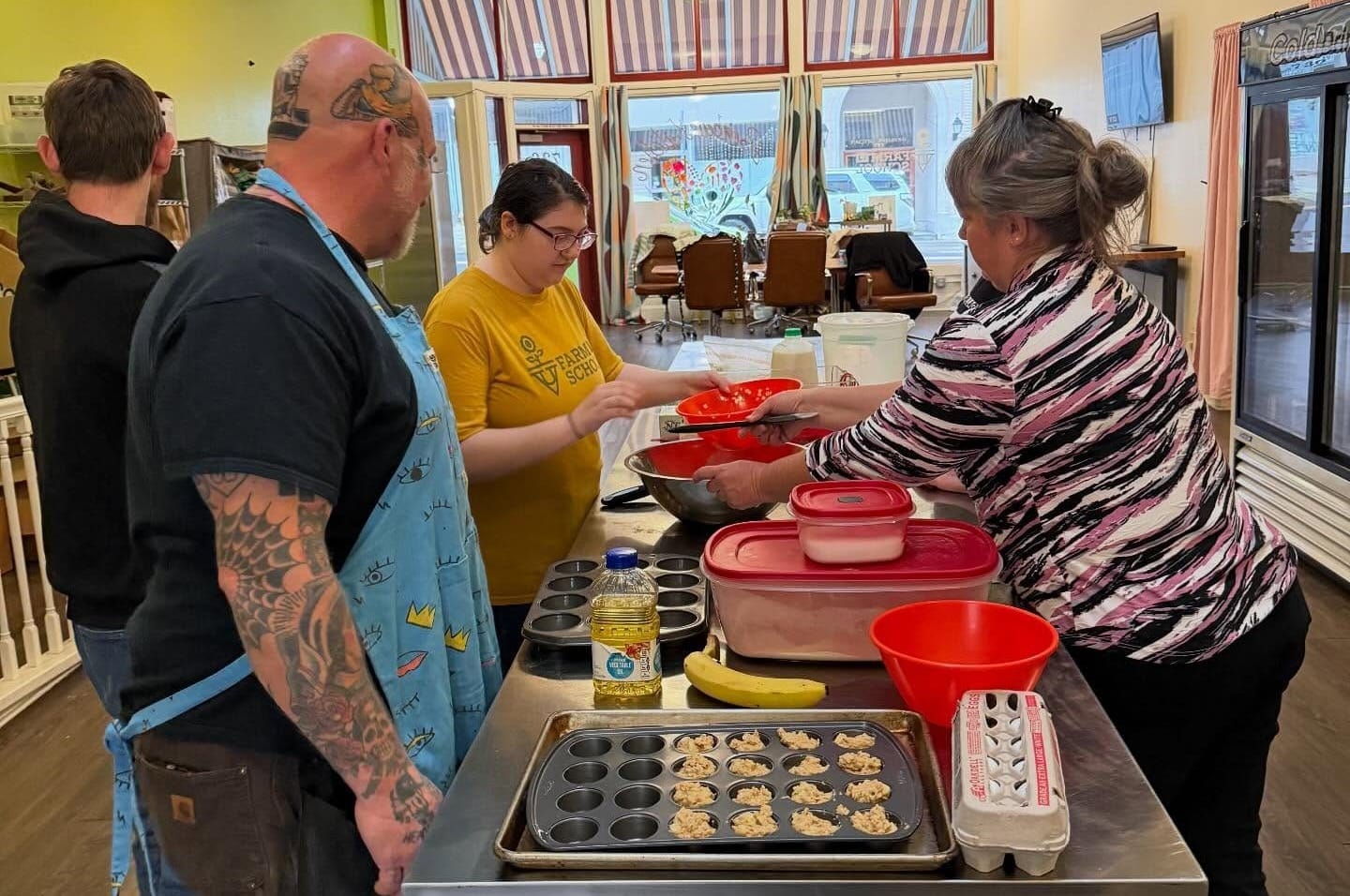
Contact Information
- Contact Information
Umpqua Valley Farm to School
736 SE Cass Ave., Roseburg
541-643-1213
erin@uvf2s.org
Umpqua Valley Farm to School website: uvf2s.org
Rainbow Kitchen information: uvf2s.org/rainbow-kitchen
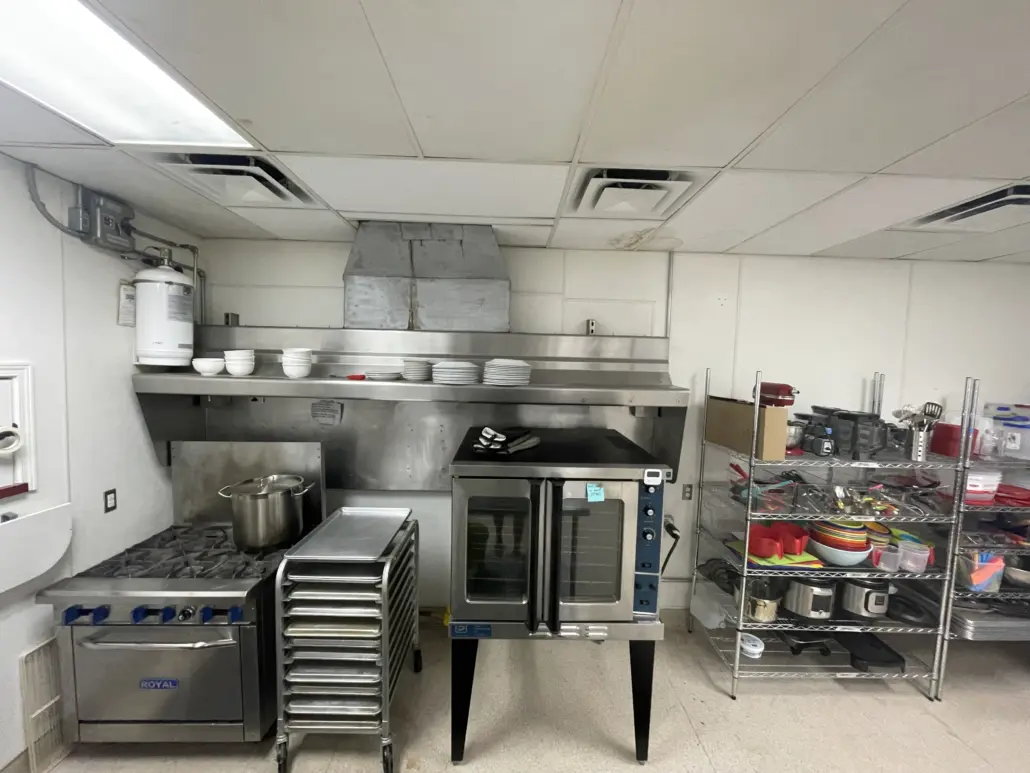
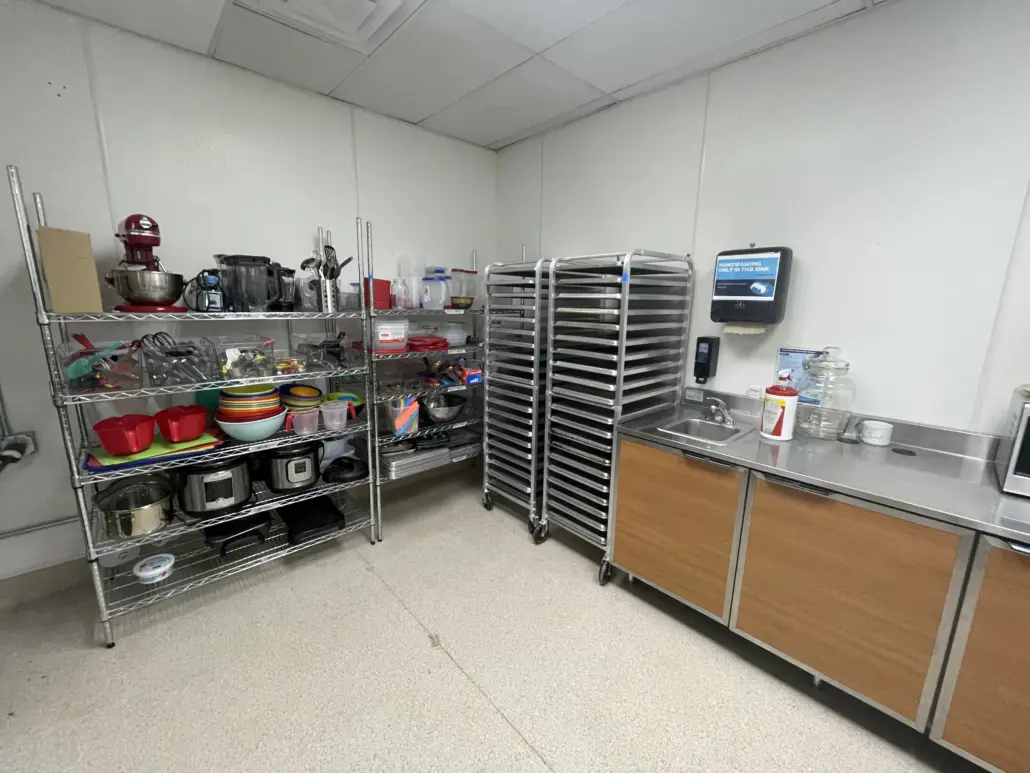
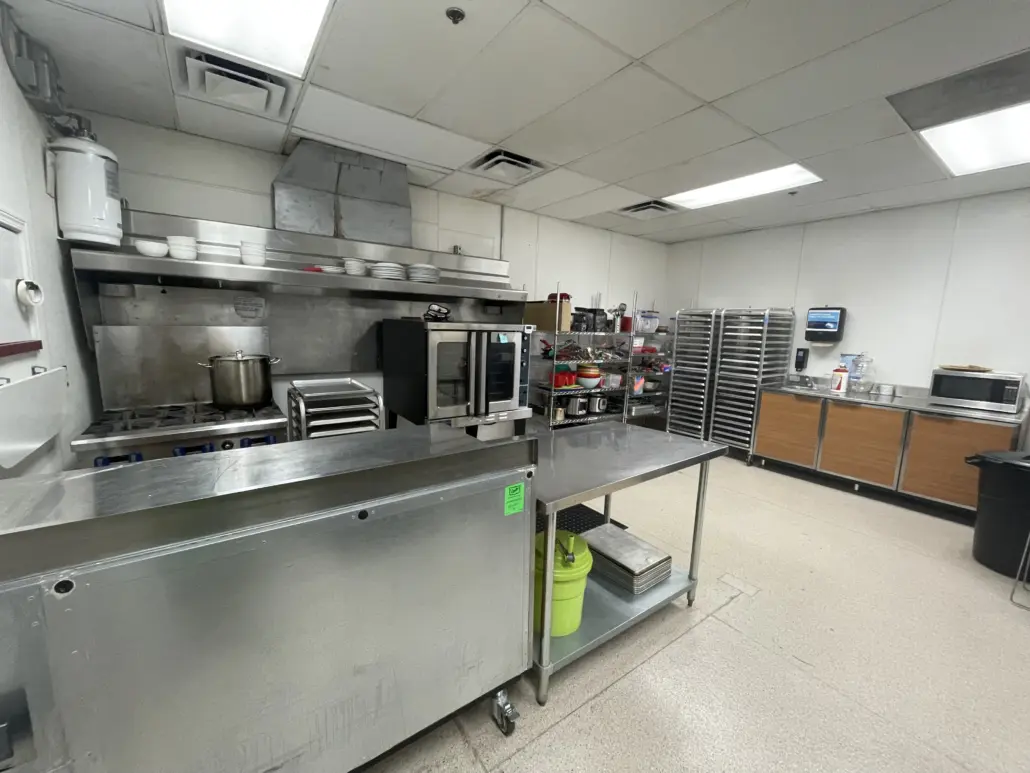
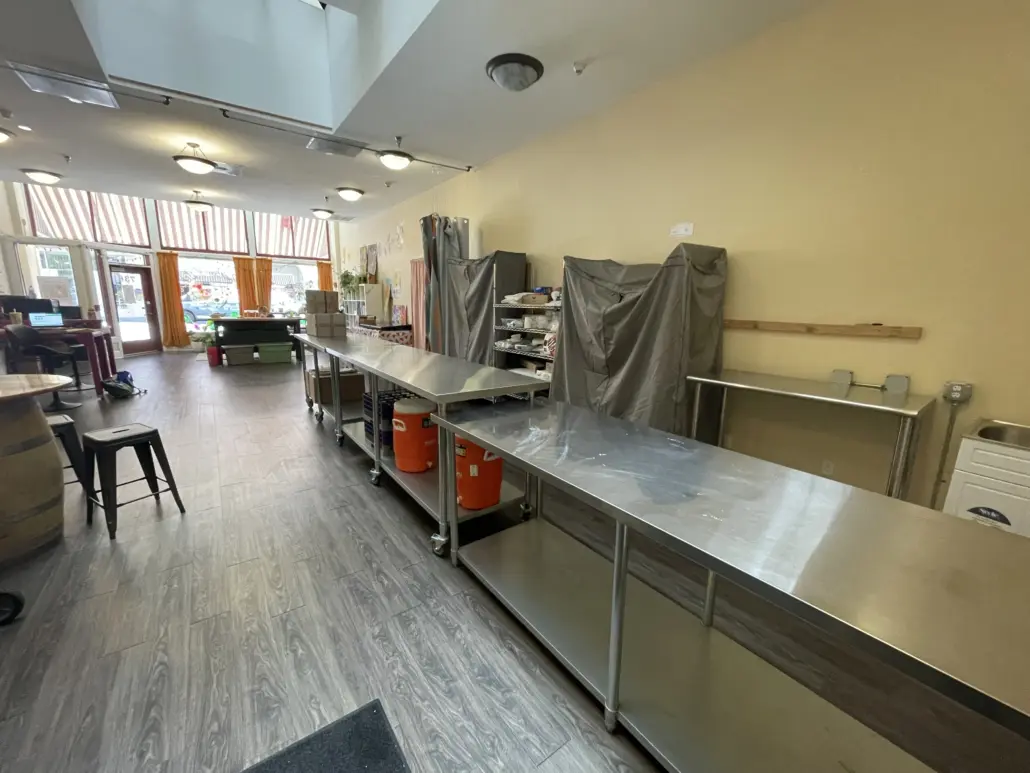
Rainbow Kitchen (Photos Courtesy of Rainbow Kitchen)

Comments ()