
Roseburg City Council to Revisit Flock Camera Decision Monday Following Weeks of Debate
Roseburg City Council will revisit its Flock license plate reader cameras Monday, November 9, following weeks of debate over privacy, public safety, and oversight. A postponed motion to maintain the city's existing 15-camera system is scheduled for consideration.
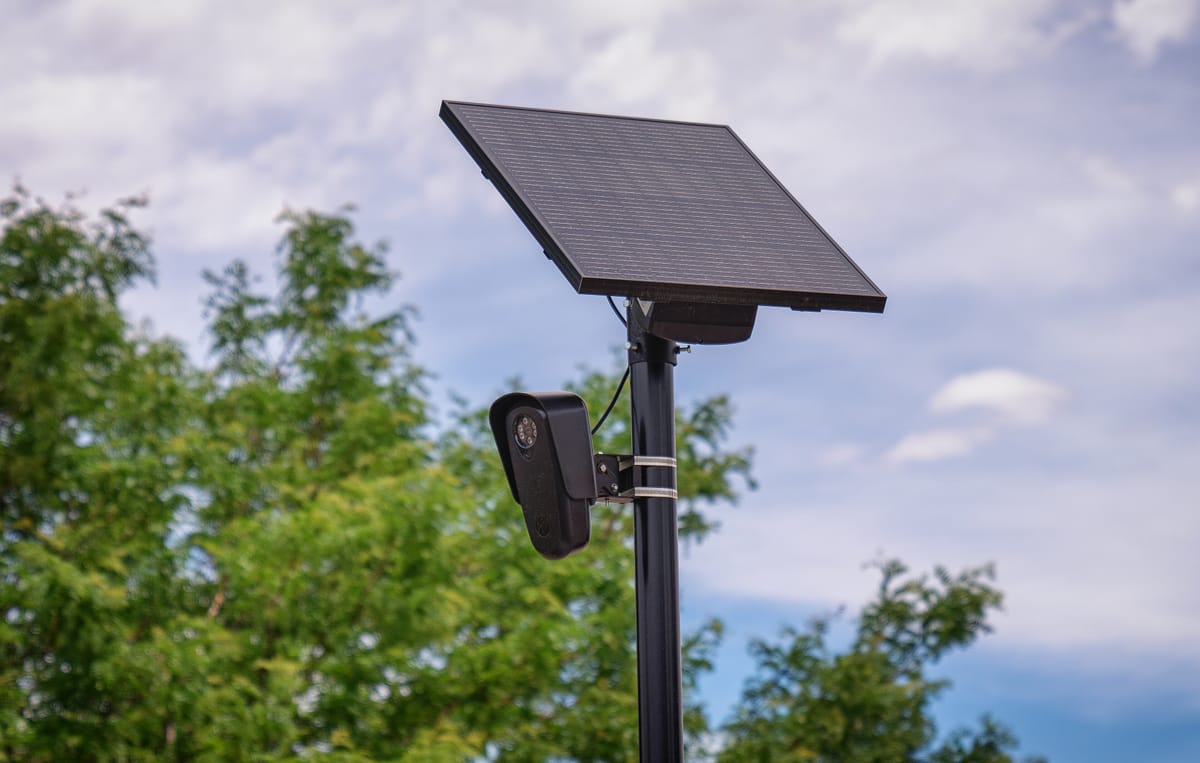
The Roseburg City Council is expected to revisit the future of the city's Flock license plate reader cameras during its meeting Monday, November 9, following several weeks of discussion about public safety, privacy concerns, and oversight of the technology.
The council will consider a motion to keep the existing camera system in place without changes. The motion was introduced during the October 26 meeting but was postponed after several councilors requested additional time to review information and concerns raised by residents.
Roseburg currently operates 15 Flock automated license plate recognition cameras at major entrances and exits throughout the city. The system has been in use since 2023, when the City Council authorized the police department to move forward with the technology.
The cameras have become the subject of considerable public discussion in recent weeks, with residents and council members examining how the system operates, who can access the information it collects, and what safeguards are in place.
How the Cameras Work
According to information presented by Roseburg Police Chief Gary Klopfenstein, the cameras photograph vehicles and capture information such as license plate numbers, vehicle make, model, color, and the date, time, and location of each detection.
The cameras do not use facial recognition, identify drivers, or record continuous video. They are also not used to issue speeding tickets or other routine traffic citations.
Instead, the system allows law enforcement to compare license plate information against databases involving stolen vehicles, missing persons, and other law enforcement investigations.
Police officials have pointed to several investigations in which the cameras provided useful information, including cases involving an ATM theft, burglaries, a child abduction, and a kidnapping.
The city's current two-year agreement, covering 2026 through 2028, totals $75,000 and is funded through the police department's budget.
Questions About Privacy and Data Access
Much of the discussion surrounding the cameras has focused on what happens to the information after it is collected.
During the October 26 meeting, Klopfenstein explained that camera data is stored through Amazon Web Services GovCloud and is generally deleted after 30 days. Information retained as evidence in specific investigations may be subject to separate retention requirements.
According to city officials, access is restricted to authorized law enforcement personnel, and searches must be associated with an identifiable law enforcement purpose and case or dispatch number.
Klopfenstein also told councilors that statewide data sharing has been disabled and that national searches are unavailable to Oregon customers.
The department has said its use of the cameras complies with Oregon Senate Bill 1516, legislation enacted earlier this year establishing statewide requirements for automated license plate recognition systems.
The law addresses authorized uses, data retention, sharing restrictions, audits, and other safeguards.
Despite those protections, some residents have questioned whether existing policies go far enough.
Concerns raised during previous council meetings have included the possibility of unauthorized access, data security, mistaken vehicle identification, government surveillance, and whether information collected locally could eventually be used for purposes beyond the original intent of the system.
Another issue raised during the October 26 discussion involved Flock's reported use of a small portion of collected data to improve its recognition technology. City officials stated that less than one percent of the data is used for that purpose, with identifying information and metadata removed.
Councilors questioned whether additional restrictions could be adopted through a city ordinance or changes to the existing agreement.
Council Divided Over Whether More Review Is Needed
The October 26 meeting included testimony from eight members of the public. Most expressed opposition to the cameras, while one speaker supported retaining the system with additional privacy safeguards.
Several councilors expressed support for continuing the program, citing its value to law enforcement and the protections established under Oregon law.
Others said they wanted more time to examine the legal implications, the city's contract, and the concerns submitted by residents.
Councilor Shelley Briggs Loosley introduced a motion to maintain the current Flock contract, which was seconded by Council President Andrea Zielinski.
Before the council voted on that motion, Councilor Tom Michalek proposed postponing the decision until the November 9 meeting. The postponement passed 5-2, with councilors Michalek, Ruth Smith, Ellen Porter, Katie Williams, and Zack Weiss voting in favor.
Zielinski and Briggs Loosley voted against postponement.
As a result, the original motion to maintain the cameras remains pending and is scheduled to return Monday.
City Attorney Jim Forrester previously explained that the council may consider additional local regulations, although any proposed ordinance would need to be reviewed for consistency with the city's existing contract.
Councilors also requested additional legal materials, including a copy of Senate Bill 1516, information about a federal appellate court ruling involving automated license plate readers, and public comments submitted to the city.
What Happens Monday?
The November 9 agenda identifies the Flock camera motion as a department item.
The motion scheduled for consideration is straightforward: "I MAKE A MOTION TO KEEP FLOCK CAMERAS AS IS."
A vote in favor would affirm continuation of the existing system without changes through that motion. If the motion fails, it would not automatically establish a replacement policy or terminate the city's contract. Additional action would be needed to determine the next steps.
The council could also consider further discussion or alternative direction, depending on how Monday's meeting proceeds.
The outcome could influence how Roseburg approaches license plate recognition technology and oversight of the system in the future.
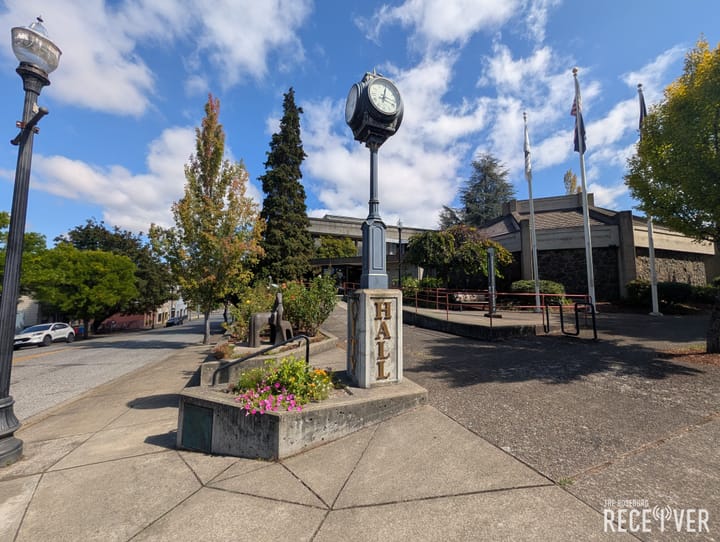
The Roseburg City Council meets Monday, November 9, at 7 p.m. in the City Council Chambers at City Hall, 900 SE Douglas Avenue.
Residents can attend in person or watch through the city's online meeting broadcast.
More information, including the meeting agenda and supporting documents, is available through the City of Roseburg website.

Comments ()