
Oregon Moves Forward With Statewide Next Generation 9-1-1 Modernization
Oregon is moving forward with statewide Next Generation 9-1-1 upgrades, replacing older analog systems with modern technology designed to improve call routing, resiliency and emergency response coordination across all 36 counties.
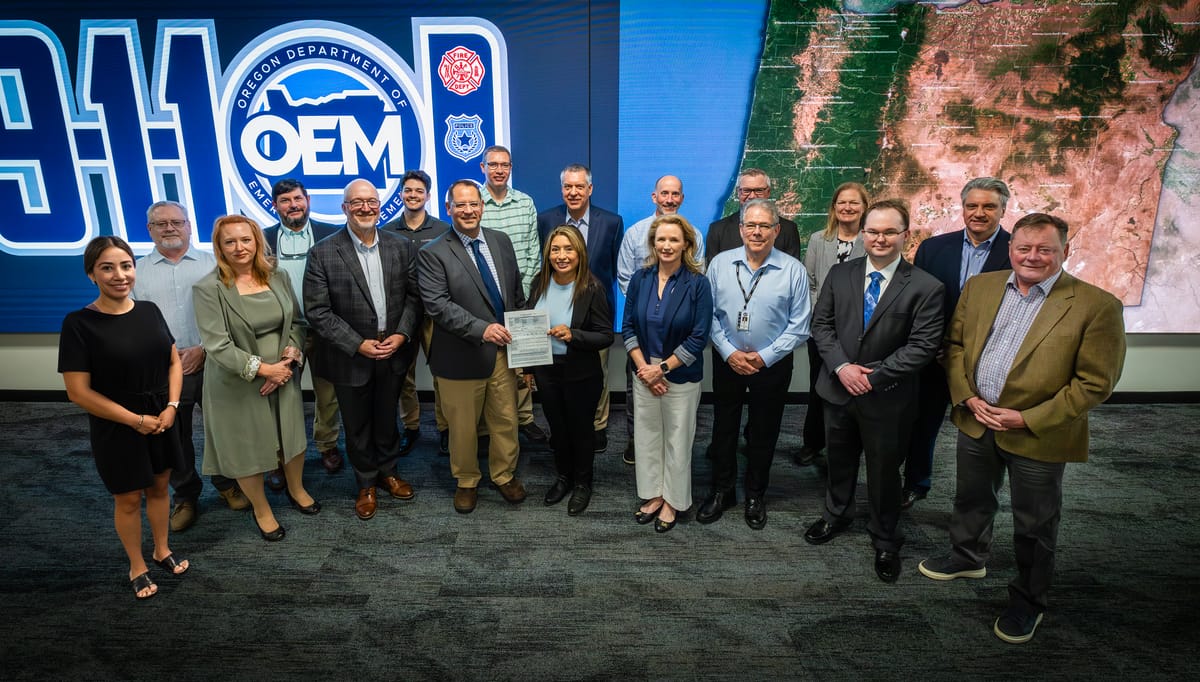
SALEM, Ore. — Oregon is moving ahead with a major upgrade to its emergency communications system, with the Oregon Department of Emergency Management partnering with Lumen Technologies and Intrado to implement Next Generation 9-1-1 services statewide.
The project is designed to replace older analog 9-1-1 infrastructure with a modern, internet protocol-based system. State officials say the upgrade will improve call routing, strengthen reliability during emergencies and disasters, and help emergency communication centers better coordinate across Oregon.
For the public, dialing 9-1-1 will not change. Oregonians will still call 9-1-1 the same way they do now. The change is happening behind the scenes, with new technology intended to help emergency calls reach the correct dispatch center more quickly and accurately.
Additional upgrades associated with NG9-1-1 include:
- Improved location accuracy for wireless callers
- Enhanced system resiliency and redundancy
- Better interoperability between emergency communication centers
- More reliable call routing during outages or disasters
- A future-ready platform capable of supporting evolving communication technologies
One of the major changes with Next Generation 9-1-1 is the use of Geographic Information Systems, or GIS, to help route calls based on more precise location data. Older systems have often relied on legacy routing methods and cell tower coverage areas, which do not always line up with county lines, rivers or jurisdictional boundaries.
That can matter in places where a wireless call may connect to a tower in a neighboring area. In some cases, a call may initially reach the wrong 9-1-1 center and need to be transferred. NG9-1-1 is intended to reduce those situations by using spatial call routing technology to help determine which Public Safety Answering Point, or PSAP, should receive the call.
The modernization effort will support all 36 Oregon counties and the state’s 40 Public Safety Answering Points. PSAPs are the 9-1-1 centers responsible for receiving emergency calls and dispatching responders.
“Oregon is committed to building a reliable, resilient, and future-ready 9-1-1 system for communities across the state,” said Frank Kuchta, State 9-1-1 Program Manager at the Oregon Department of Emergency Management. “These partnerships are an important step forward in strengthening emergency communications infrastructure and enhancing the services Oregonians rely on during emergencies.”
The Department of Emergency Management has been working with PSAPs around the state over the past several years to prepare for the transition. That work includes data network readiness, reviewing PSAP facility preparedness, and supporting upgrades to the phone systems, hardware and software used to receive and process emergency calls.
A key part of Oregon’s approach is the development and standardization of GIS data needed to support Next Generation Core Services. Those services serve as the foundation for NG9-1-1 call routing and interoperability between emergency communication centers.
Josh Finke, Senior Vice President of Public Sector at Lumen Technologies, said the company is proud to help modernize Oregon’s 9-1-1 infrastructure.
“We’re incredibly proud to partner with Oregon to modernize its 9-1-1 infrastructure; delivering a secure, resilient network that strengthens emergency response, and helps forward the critical public safety mission,” Finke said.
Intrado will also be part of the statewide modernization effort.
“Intrado is proud to partner with the State of Oregon and Lumen to deliver innovative, next-generation i3 services and solutions that empower life-saving operations for communities across Oregon,” said Lou Blatt, Chief Product Officer at Intrado.
Additional updates and project milestones are expected to be shared as the NG9-1-1 project continues.
More information about Oregon’s Next Generation 9-1-1 project, GIS readiness efforts and implementation progress is available through the Oregon NG9-1-1 GIS Hub: Oregon NG9-1-1 GIS Hub.
The state’s Public Safety Answering Points directory map is available here: PSAP Directory Map.
The Oregon Department of Emergency Management has also released an article explaining what the transition means for the public, including improvements to call routing, system resiliency and future emergency communication capabilities: https://apps.oregon.gov/oregon-newsroom/OR/OEM/Posts/Post/Next-Generation-9-1-1


Comments ()