
Housing, Timber And Jobs Take Spotlight At Roseburg Chamber’s 2027 Economic Forecast
Why are so few homes changing hands in Douglas County? At the Roseburg Chamber’s 2027 Economic Forecast, economist Dr. Christopher Thornberg explained how low mortgage rates are keeping owners in place and where he sees room for growth in timber, tourism and health care.

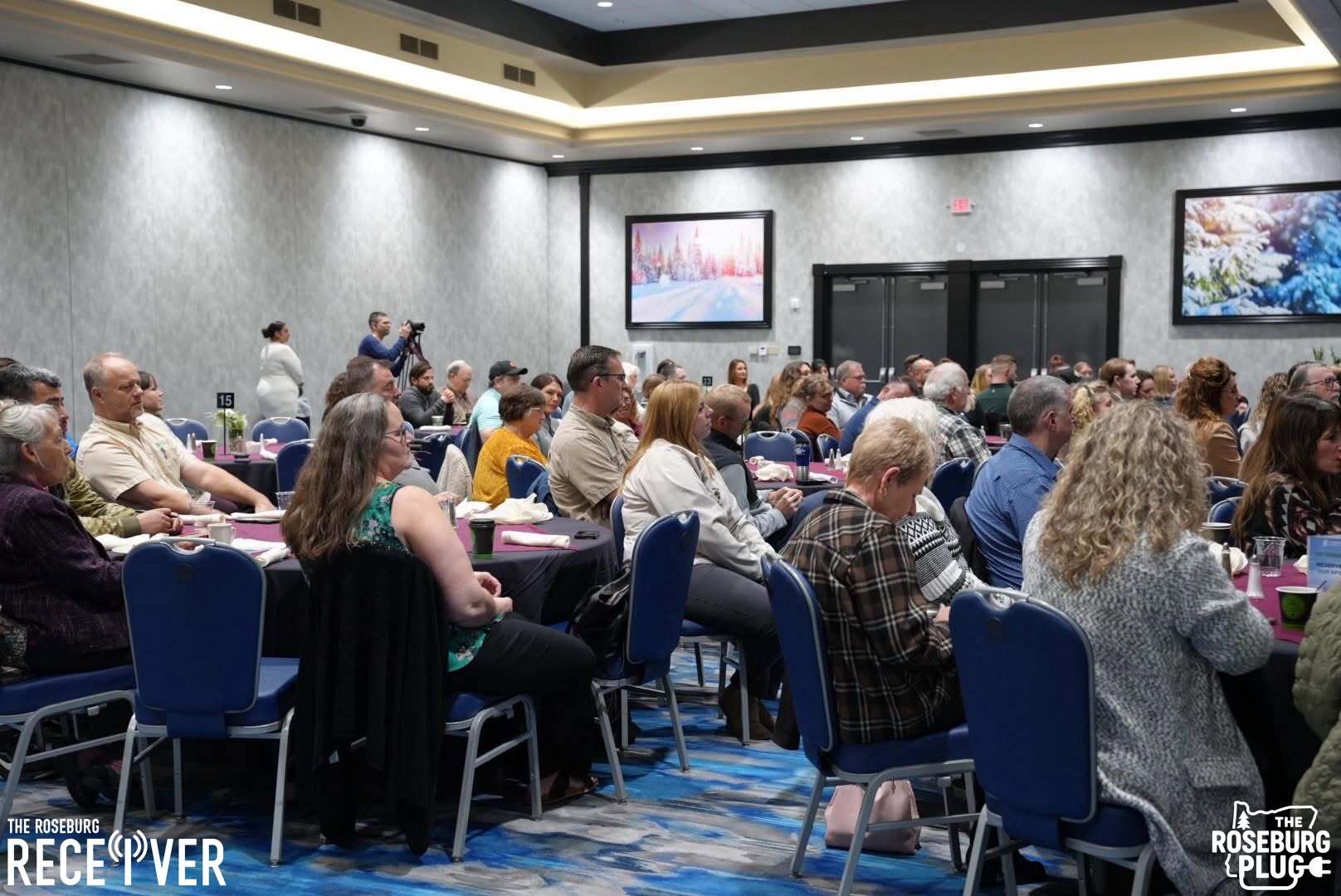
CANYONVILLE, Ore. - Douglas County’s population has grown little in recent years, its workforce is aging and its housing market is short on choices for first-time buyers. Economist Dr. Christopher Thornberg told a Roseburg Area Chamber of Commerce audience Tuesday that those issues are closely linked to whether the county can keep younger residents and bring in new employers.
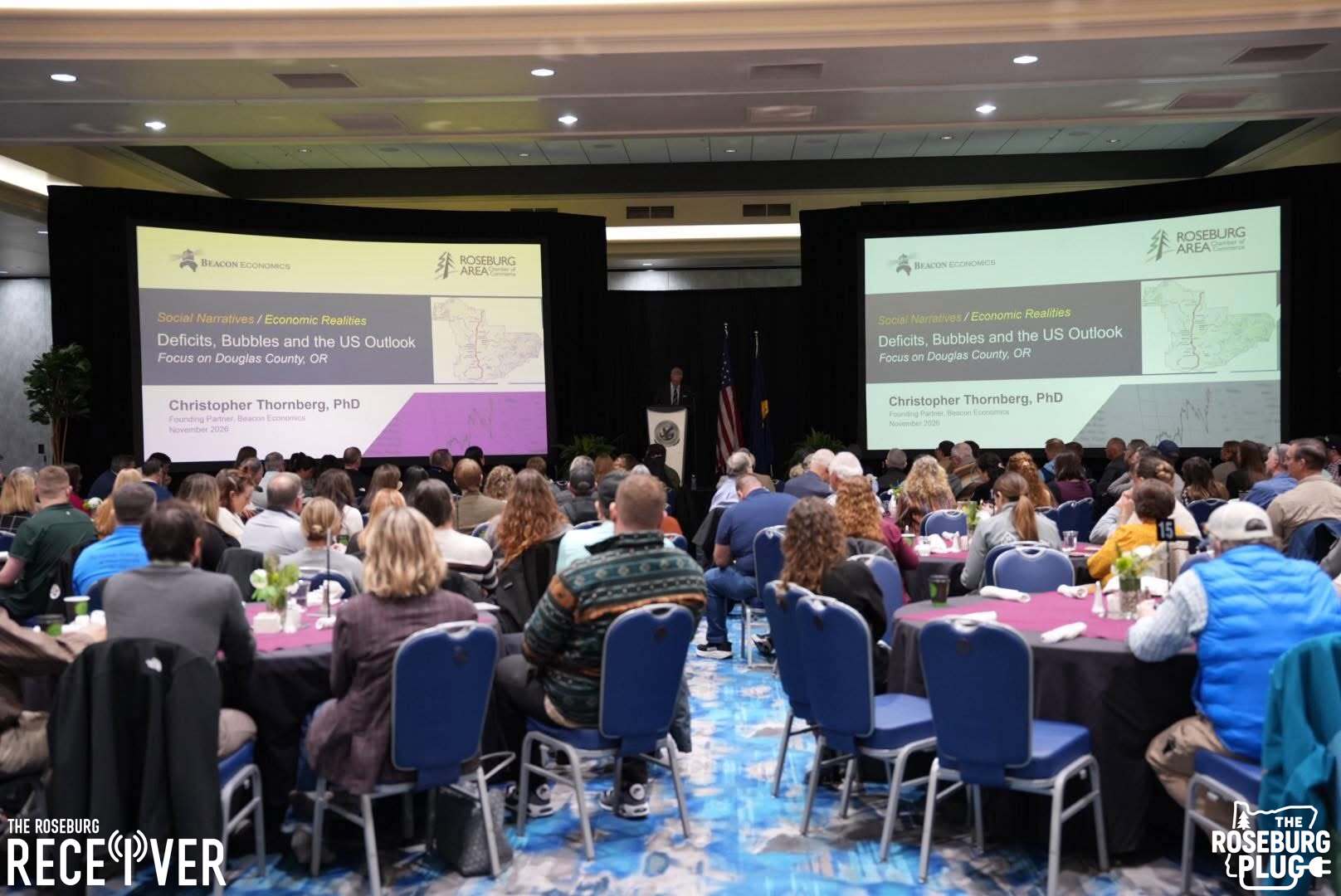
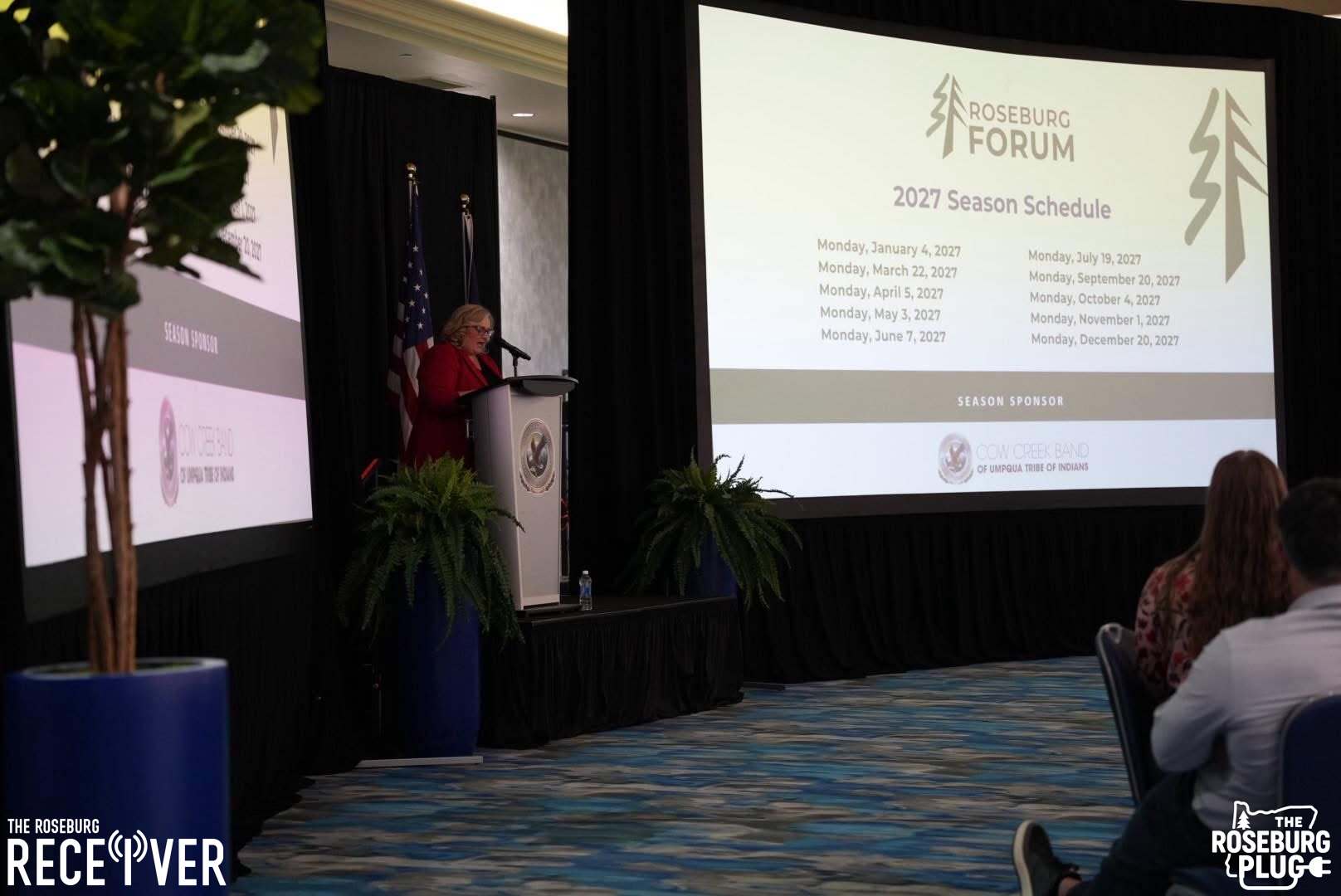
Thornberg, a founding partner of Beacon Economics, spoke Nov. 17 at Seven Feathers Casino Resort during the chamber’s 2027 Economic Forecast. His presentation moved from national consumer spending and the risks he sees in the artificial intelligence boom to a question closer to home: Where can Douglas County find its next source of growth?
Where Douglas County Could Grow
Thornberg said employment in Douglas County remains below its pre-pandemic level. He pointed to weakness in manufacturing and said a glut of lumber and changes in what customers buy have put pressure on that part of the industry. He saw an opportunity for local manufacturers to make more finished wood products, including engineered materials that can be used in larger buildings.
He also pointed to tourism, freight and distribution along Interstate 5, and Roseburg’s role as a regional center for health care and retail. People already come to Roseburg from smaller communities for medical care and shopping, he said, giving the city a base to build on.

Thornberg said the county’s recent population growth has been concentrated among older residents, while the number of children has declined. He tied the county’s ability to keep and attract younger families to the availability of housing and jobs, the quality of local schools and what people can do downtown.
“Housing supply is a critical issue, but it’s also about quality of life,” Thornberg said.
Why Fewer Homes Are Changing Hands
Thornberg said Douglas County home sales were flat and cited a September median sale price of about $383,000. He said one reason so few homes are coming up for sale is that many owners would have to give up a low mortgage rate to move. When those owners stay put, fewer homes free up for people trying to buy their first one.
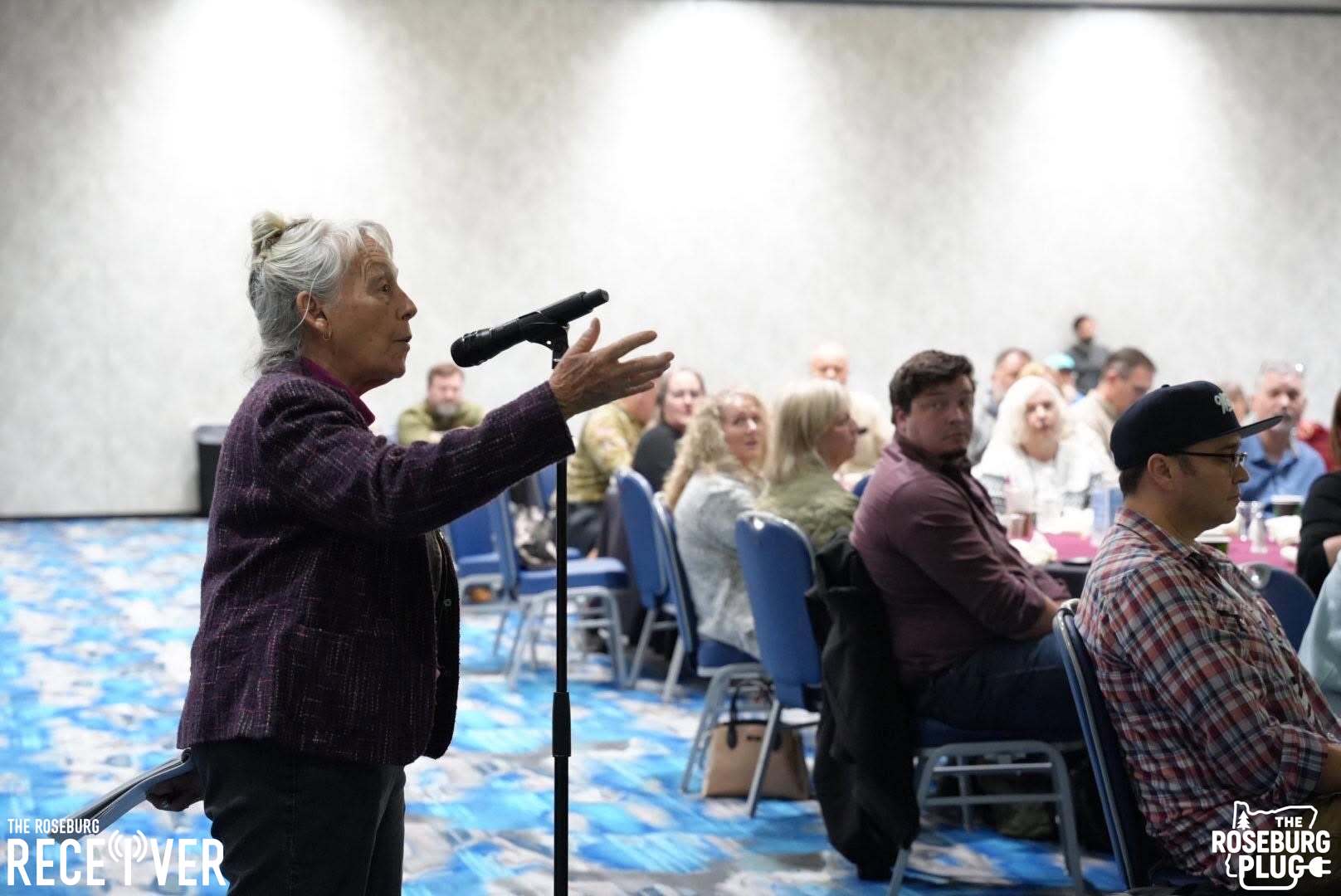
During the question-and-answer session, an attendee from Jackson County asked what local governments could do to encourage more construction. Thornberg suggested allowing more townhomes and tying development fees to the size of a home. A flat fee, he said, can make a smaller home harder for a builder to pencil out.
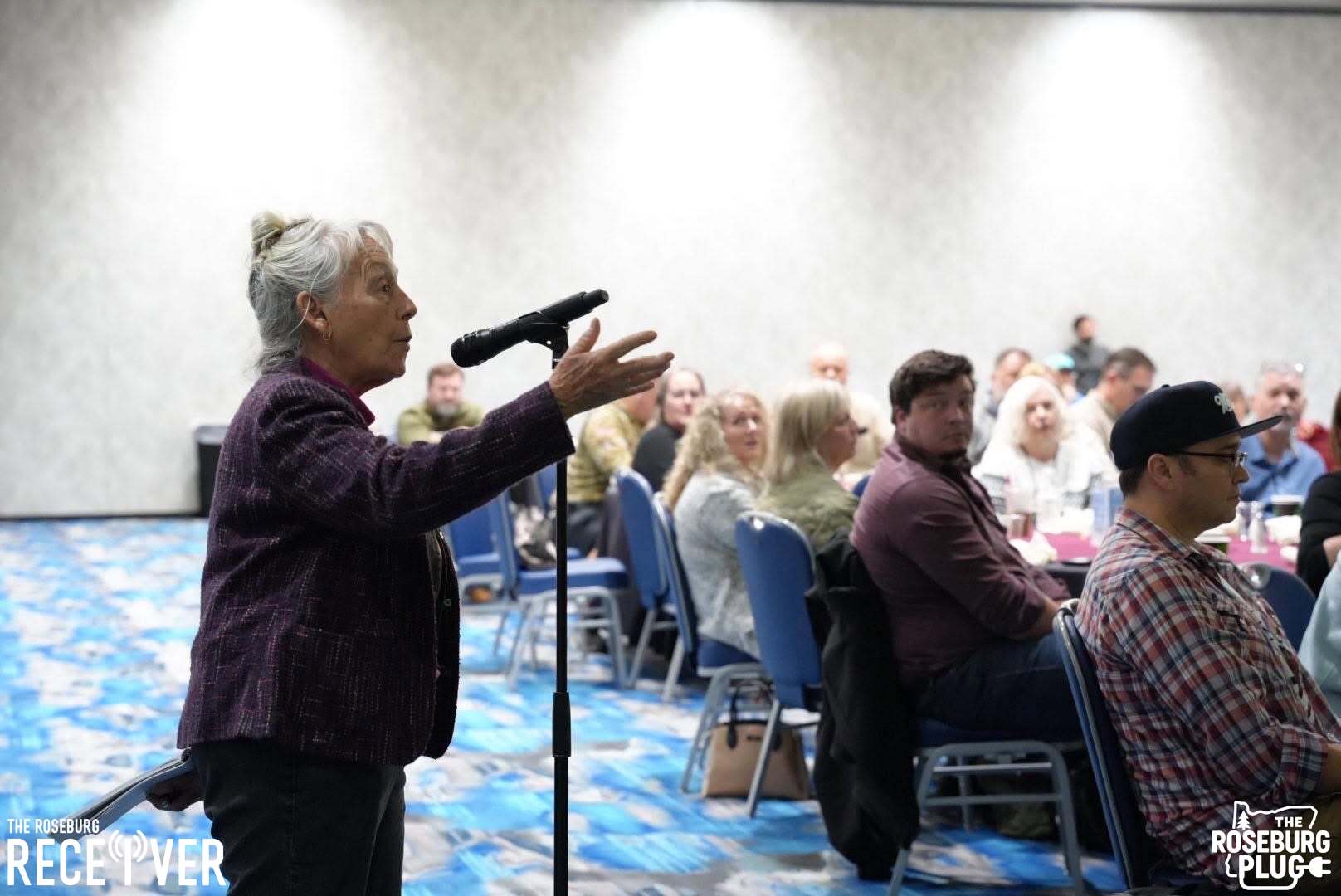
Audience members also asked about homelessness in Roseburg, attracting younger residents to rural communities such as Tiller, and training more people for skilled trades. Thornberg said the rush to build data centers has added to demand for electricians and heating and cooling workers, making it harder to fill jobs in trades that were already short on workers.
A Growing U.S. Economy With Risks Ahead
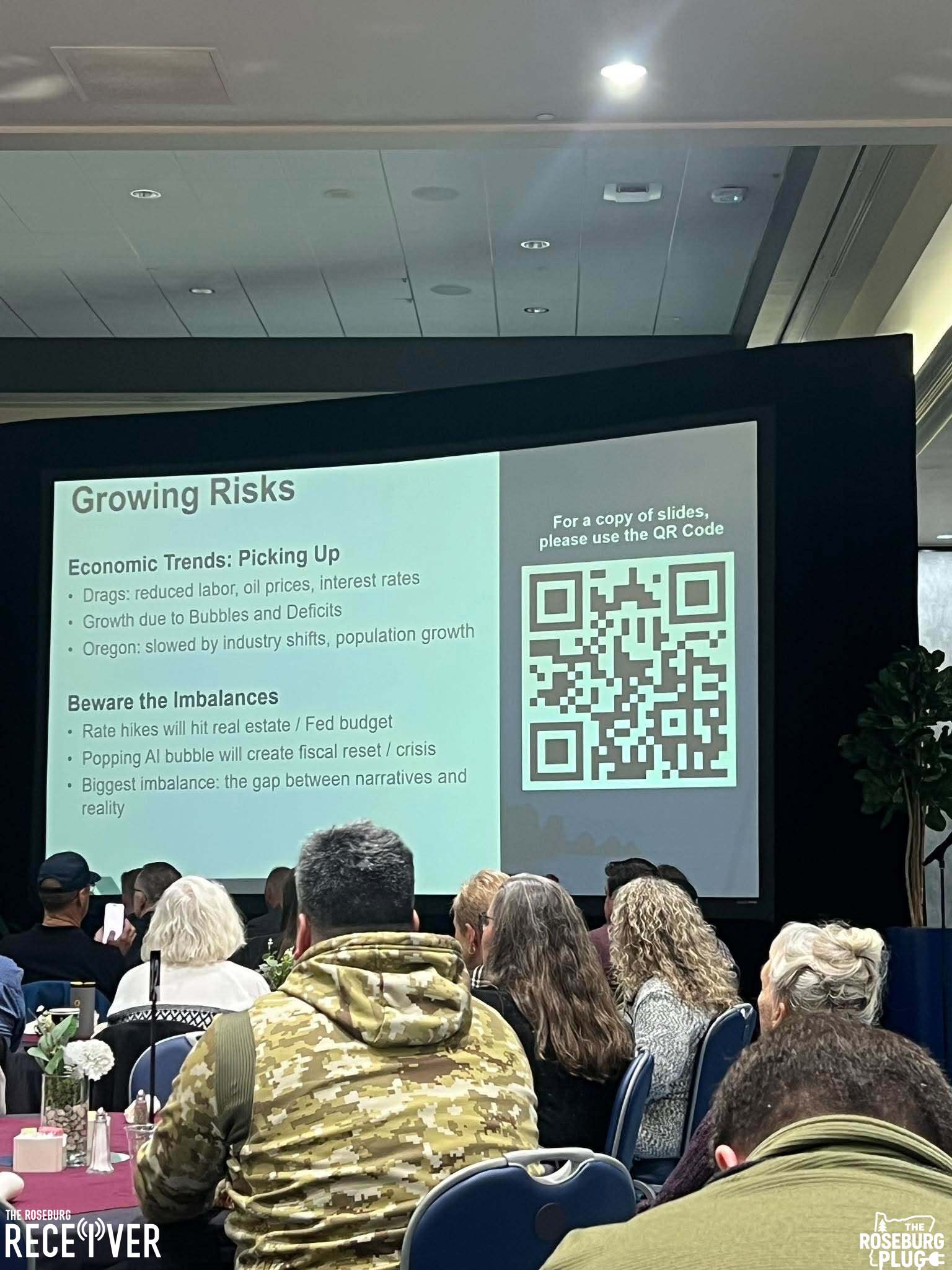
Nationally, Thornberg pointed to rising consumer spending after adjusting for inflation, even as surveys showed Americans feeling pessimistic about the economy. He said the U.S. economy was growing faster than he would expect at a time of rising interest rates and a shrinking labor force. He attributed much of that momentum to AI investment and federal borrowing.
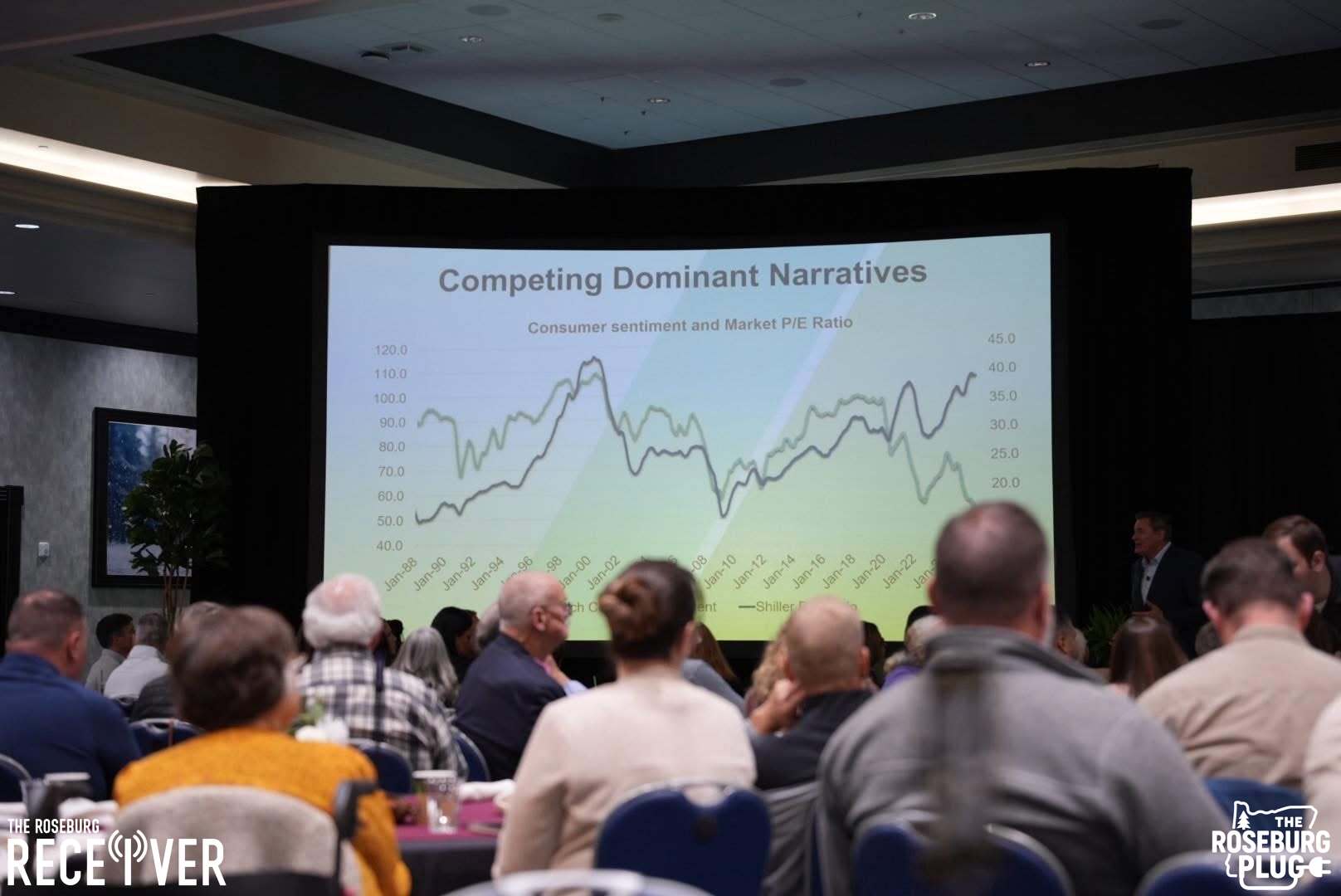
Thornberg compared the surge in AI investment and tech stock prices to the dot-com boom of the late 1990s. He warned that a pullback in business spending could trigger a recession and that large federal deficits could make a downturn harder to manage. He gave no firm timeline for when that might happen.
Images of the event are below.












Comments ()