
Roseburg's Lone Rock Logging Named Southwest Oregon Operator Of The Year For 2026
Roseburg-based Lone Rock Logging has been named Southwest Oregon's 2026 Operator of the Year by the Oregon Department of Forestry. C and M Timberland Resources of Glide also earned a Merit Award for its work protecting streams and preventing erosion.
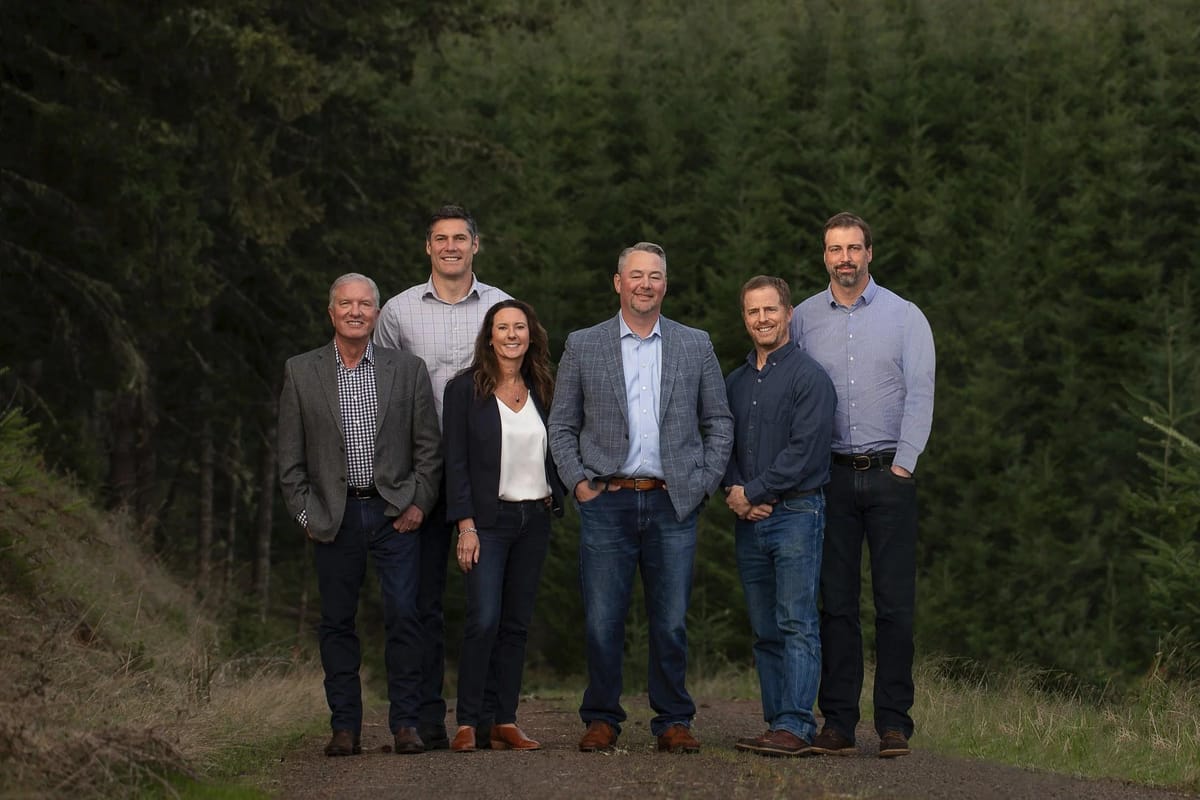
ROSEBURG, Ore. - A Roseburg-based logging company has earned statewide recognition for its work protecting streams, trees and other natural resources during timber harvesting operations.
Lone Rock Logging has been named the 2026 Operator of the Year for Southwest Oregon by a regional advisory committee to the Oregon Board of Forestry. The company was selected for its record of meeting or exceeding Oregon's forest protection requirements, including its efforts to adapt to newer regulations designed to protect waterways and sensitive forest areas.
The Oregon Department of Forestry (ODF) announced the recognition on November 10. Lone Rock is one of three logging companies across Oregon selected for the honor this year.
Another Douglas County company, C and M Timberland Resources LLC of Glide, also received recognition, earning a Merit Award for its work on challenging road construction and stream protection projects.
Lone Rock Recognized For Protecting Forest Resources
According to ODF, Lone Rock Logging earned the regional award for its approach to timber harvesting in areas where additional protections are required under the Oregon Forest Practices Act.
Recent changes to the state's forestry regulations require wider protective buffers along certain streams and place additional restrictions on equipment operating in areas that drain toward fish-bearing waterways.
Those requirements can create challenges for logging operations, particularly on steep terrain where crews must move harvested timber through areas containing trees that are required to remain standing.
ODF said Lone Rock demonstrated careful planning and execution to complete that work while protecting the surrounding forest.
Crews used several harvesting techniques to move logs through designated corridors without significantly damaging retained trees. Even when changes to the logging routes were necessary, the company was able to avoid breaking large numbers of limbs or damaging treetops.
Much of that success came from planning how trees would be cut and positioned before harvesting began. By placing logs where cable equipment could reach them more easily, crews reduced the risk of damaging nearby vegetation.
The work helped protect thousands of feet of tree buffers along a wetland and within hillside drainage areas.
Those retained trees serve several environmental purposes. They help stabilize soil, reduce erosion and limit the amount of sediment entering downstream waterways. Over time, fallen trees can also provide woody material that contributes to fish habitat.
Protecting those areas required Lone Rock to establish multiple locations for its cable logging equipment and move timber uphill to loading areas.
The company is also testing the use of synthetic cable alongside traditional steel cable. Because synthetic cable is lighter, it may help reduce damage to standing trees as logs are moved through protected areas.
ODF Highlights Challenges Of New Forestry Rules
ODF Forest Resources Division Chief Josh Barnard said this year's nominees demonstrated considerable effort to protect natural resources while completing their work.
"The selection committees had excellent candidates this year when choosing who they would honor, all of whom showed they went to great lengths to protect the forest environment," Barnard said.
The department said many of the nominated projects involved difficult terrain and newer harvesting regulations that require additional protections for streams and steep slopes.
"Many of the harvest sites this year had terrain that was quite challenging," Barnard said. "The Operators of the Year showed extraordinary care and diligence to protect slopes and streams. We're proud to recognize those efforts."
Glide Company Receives Merit Award
Lone Rock was not the only Douglas County company recognized.
C and M Timberland Resources LLC, headquartered in Glide, received a Merit Award for its work constructing logging roads and stream crossings while preventing erosion and protecting nearby waterways.
One of the company's projects involved installing a large culvert in a deep ravine. Crews constructed a concrete base to support the culvert before placing tens of feet of fill material above it to create a stable crossing for logging trucks.
The structure was then reinforced with large boulders to help prevent erosion.
The company also constructed a bridge across a fish-bearing stream, transporting 52-foot-long bridge sections along a winding logging road to reach the construction site.
According to ODF, the bridge project improved the stream channel and stabilized the banks on both sides of the crossing.
Elsewhere on the same property, crews excavated a steep, forested hillside to construct another logging road. The department said the work was completed without allowing sediment to reach a nearby stream.
The projects earned the Glide company recognition for addressing difficult construction conditions while protecting surrounding natural resources.
Three Regional Operators Selected Across Oregon
In addition to Lone Rock Logging, two other companies received 2026 Operator of the Year honors.
Wood River Timber Inc., headquartered in Klamath Falls, was selected for Eastern Oregon, while Iron Horse Logging Inc. of Mapleton in Lane County earned the award for Northwest Oregon.
Two additional companies received Merit Awards: J and J Timber Resources of Haines in Baker County and Perrigo Timber LLC of Warrenton.
All six companies are scheduled to be recognized during the Oregon Board of Forestry's January 2027 meeting in Salem.
About The Oregon Forest Practices Act
Oregon adopted the Forest Practices Act in 1971 to establish standards for forestry operations on forestland.
The law regulates activities such as timber harvesting, road construction and reforestation, with requirements intended to protect water quality, wildlife habitat and other natural resources.
Over the years, the regulations have been updated to reflect new scientific findings and changes in forest management practices.
The Operator of the Year awards recognize companies that demonstrate a consistent commitment to meeting or exceeding those standards during their forestry operations.
Videos highlighting the 2026 award recipients are available through the Oregon Department of Forestry website.


Comments ()