
Roseburg Votes 2026: Meet the Candidates for Mayor and City Council
What would Roseburg’s candidates do first, and how would they make tough decisions? Hear directly from the people running for mayor and City Council, with their answers grouped by office and ward.
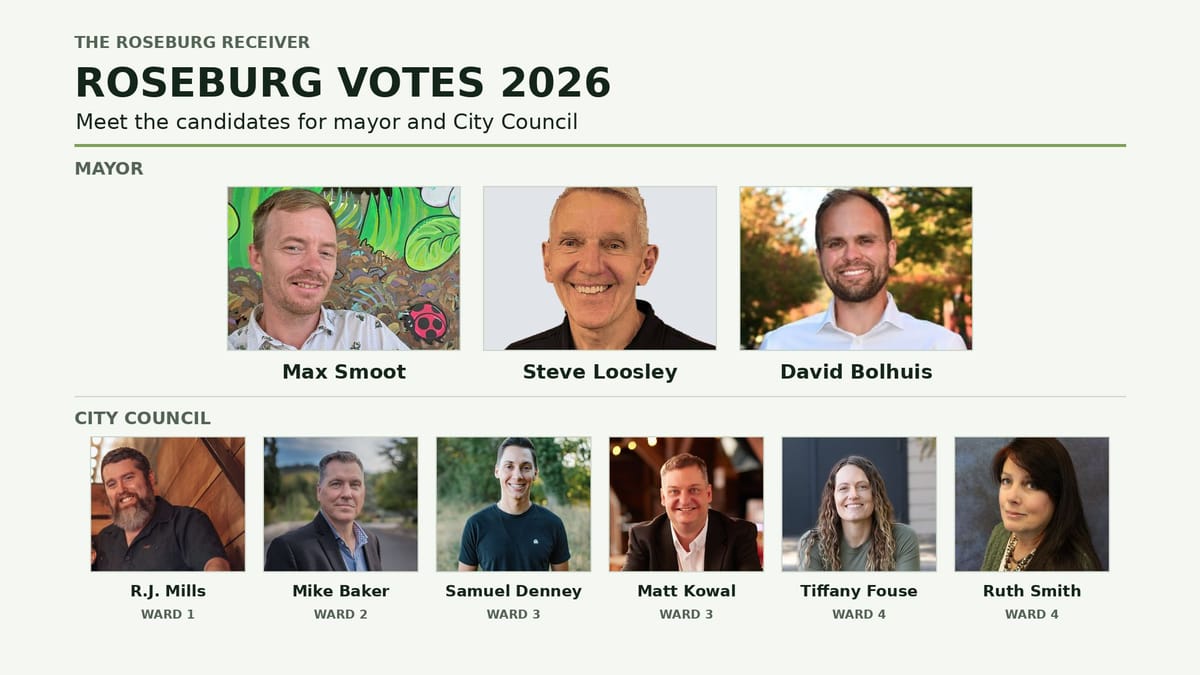
The Roseburg Receiver invited candidates for Roseburg mayor and City Council to answer questions about their priorities, city decisions, and how they would serve residents. Every mayoral candidate received the same seven questions, and every City Council candidate received the same six.
Responses are grouped by office, with City Council candidates organized by ward so readers can compare those running for the same seat. Mayoral candidates are listed in no particular order.
The candidates’ answers are published word for word as provided. The Roseburg Receiver has not changed their wording. Paragraph spacing and list formatting may be adjusted for readability.
Mayor
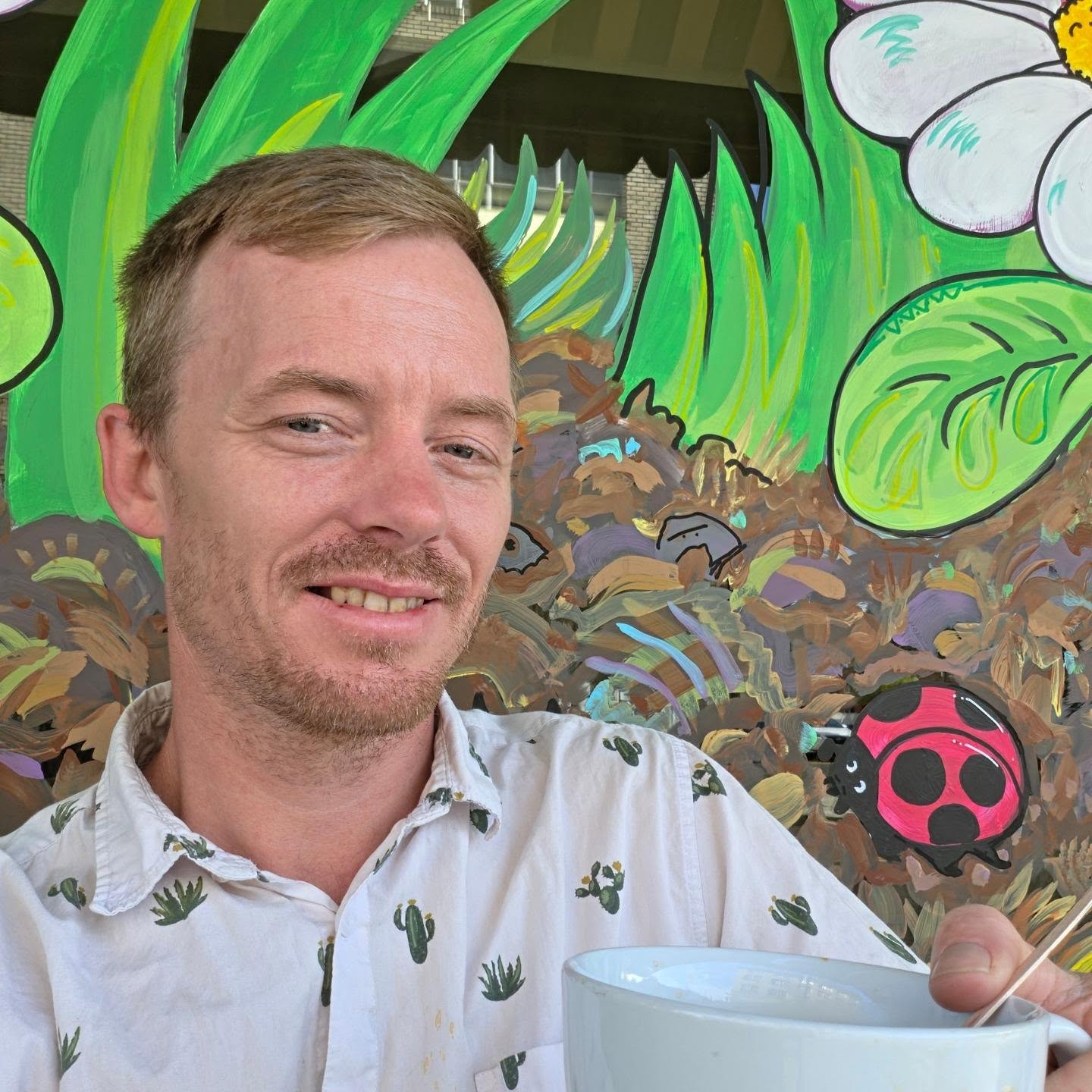
Max Smoot
Candidate for Mayor
About the candidate: My name is Max Smoot. I’m a Dad, a graphic designer, and a neighborhood organizer. I was born and grew up here in Roseburg. I graduated from RHS, and I studied in college at UCC, LCC, and the University of Oregon up in Eugene. I’ve managed my own printing and graphics production business for about 14 years called Maxart Creative Services, and I also run Frogleg Studio, a print shop and cultural center downtown. I co-founded the People’s Homeless Commission in Roseburg earlier this year.
- 1. Why are you seeking the unpaid position of Roseburg mayor, and what have you learned from residents during your campaign?
-
I’m running for Mayor because my neighbors are dying on the street, and the current rulers of this city don’t demonstrate in any way that they care. So I’m in this to save peoples’ lives.
Some misinformed people say that if anyone doesn’t like it here, then they should just leave. But Roseburg is a dead-end town for a lot of us. Many of our neighbors can’t actually leave. The folks camped at Deer Creek Park are stuck here, and many other people in town are also stuck here for one reason or another. Poverty, family obligations, and poor health or disability can trap people in Roseburg, whether they want to be here or not.
As I’ve been talking to more and more neighbors, I’m finding that people in Roseburg feel trapped and are very afraid. On many levels, we’re facing a no-future situation. People are even scared of their neighbors. City Hall has abandoned people to die in the public right of way. “Business as usual” is driving our city into misery and killing us.
I think City Hall needs to be turned upside-down. We need to kick out the club of Good Old Boys and put the city in the hands of people who actually work for a living. - 2. What is one city decision or issue you would like the council to reconsider? What would you recommend instead?
-
The camping ordinance. The Council made it even harder for people to survive or have any chance of getting out of homelessness. It just criminalized homelessness and created a reign of terror in Roseburg. Our neighbors are literally dying on our streets, and the Council thought making their lives even worse was somehow a solution. My friend Marc the other week. He was living at the park. I don’t want any more people to die out there. The police sweeps of Deer Creek Park have to be stopped immediately, and the ordinance needs to be reversed.
Right now, the Council needs to move forward with the People’s Homeless Commission’s plan to build an urban Safe Ground village downtown. It is designed to be a temporary but stable place to stay. We would provide shelter, clean water, electricity, bathrooms, and garbage service. This is something we can do immediately, while we’re still figuring out the long-term permanent housing and other aid for our neighbors in need. Many of these people are extremely talented and resourceful, brilliant human beings, parents, elderly, young women, fully capable people who have lost the pride they may have once had in their community. All of these people deserve a place to go and at least to be treated with dignity. - 3. What would you ask the council to focus on during your first year as mayor, and how would you build support for it?
-
A municipal housing program has to be the top item on the agenda. We cannot end homelessness by hiding our neighbors away in prison camps. That’s just pretending the problem doesn’t exist and killing people in the process. The Council should partner with our Public Housing Authority, HADCO, to work on options to make sure we are able to provide the permanently affordable housing that we need. Another option that I think the Council should explore is creating a community land trust for housing cooperatives. I used to live in a housing cooperative when I was a student, so I know from experience that it is a viable and affordable form of stable, permanent housing. We could start with shared homes, apartments, and villages that are co-owned by the municipality and the residents themselves. There are numerous examples of this working all over the world.
Building support on the Council is tough, but we have already started to do this with the PHC. We’ve had a couple of Councilors join us at Deer Creek Park, where they could actually talk to the folks living there and hear about their experiences. It really changed the way they thought about the issue. I think others wouldn’t be so stubborn about supporting the urban village and housing plan if they actually bothered to come down to the park with us and meet their neighbors living there. I’m pretty sick of people in government making laws that hurt their neighbors who they don't even know and don’t care to meet. So as Mayor, one thing I want to do is facilitate regular field trips so Councilors can actually see the city and hear from people where they are. I will drag Councilors to the park if I have to! - 4. When city priorities compete for limited funding, what principles would guide the recommendations you make to the council?
-
The protection of human dignity and life has to be our guiding principle. I think it’s insane that City Hall has put things like promoting tourism above saving and bettering the lives of the people who actually live and work here. We should be a community that feeds the hungry, houses the homeless, and welcomes strangers to be our neighbors. If preserving life is not the heart of everything we do, what kind of community are we?
Talking about “limited funding” is strange to me. City Hall is burning a ton of money right now just to have the police terrorize poor people. So much money and resources are wasted in this city that administrators saying there just isn’t enough for this or that is pretty disingenuous. That’s not to say there aren’t budget constraints, but let’s be real here. A lot of our resources are used to protect the private interests of the mob that rules this city and don’t benefit most of us at all. I think Roseburg would be a much more fiscally responsible city if people who actually have to work for a living were in control.
That’s why I think that when we are faced with a real tough decision, we should bring the public into the process in a new way. We could create a citizens’ assembly, which some other cities in the country are starting to do. We could actually put problems to residents in this way, have expanded discussion about them, and empower the people of Roseburg to figure out what we want to do together. It would be a great way to work through political polarization and make sure the decisions we make are not out of touch with what our neighbors need and desire.
So my key priorities are putting life first, stopping wasteful spending, and putting working people in the driver’s seat. - 5. What do you believe the city can realistically do to address housing availability, homelessness, and public safety? Which parts require help from other organizations or levels of government?
-
I’ve already talked about some of this above. The plans put forward by the PHC are realistic. We have figured out how the proposed Safe Ground urban village can work. We know that we can build it and sustain it. It’s just a matter of the Council agreeing to move forward with it.
If we want to talk about being realistic, we have to look at the facts. Private real estate developers don’t have a good record on creating affordable housing. Developers here in Roseburg have even helped eliminate existing low-income housing and shelter space, which has made the crisis worse. They see houses and apartments as “assets” that can be bought and sold regardless of what residents need or want. It’s only the people who live in them and need to live in them that really see them as homes. A city agenda that puts life first cannot give priority to private developers.
Municipally-supported programs and community land trusts are more reliable ways to make homes affordable and keep them affordable, because they can actually give residents more control over their own housing. We can work with HADCO and other local organizations to develop these, but City Hall has to take initiative and coordinate the effort. Grants from the State or from private foundations could potentially help with this. Maybe UCC would be interested in setting up a community land trust for a student housing co-op too, kinda like the ones at the University of Oregon. There are plenty of possibilities to collaborate.
Public safety is a touchy subject. We’ve really been thinking of public safety the completely wrong way. Public safety usually gets confused with policing. Police are best as a last resort for extreme situations, but more intense policing is being treated like a solution to everything. The Flock cameras that got put up in town are an example of that. I mean, are we serious? Mining data from everybody in Roseburg whenever we drive to the grocery store is how we promote public safety? We’re getting mass surveillance, we’re ruled by a local oligarchy, and police terror is being used against poor and disabled people in our community, including veterans. And now there are proposals to set up basically a prison camp for poor people on the outskirts of the city, like a gulag. If that’s what we’re calling public safety, something is very wrong with us.
Housing insecurity is a public safety issue. Food insecurity is a public safety issue. Road traffic is a public safety issue. Disease and disability are public safety issues. Infrastructure is a public safety issue. Pollution is a public safety issue. Poverty is a public safety issue. None of these things can be fixed by policing.
I can give an example of something we could tackle. Car crashes are one of the leading causes of death. And it’s kind of crazy that our cities are mainly built for cars, so we have to get around in these big metal death machines. But there are also a lot of people in Roseburg who ride bikes. Some people do it to get to work, some rely on bikes as their only meaningful form of transportation, and some people ride just for fun. It’s dangerous to ride a bike in much of the city though. We have bike lanes on some roads, but they’re usually filled with road debris and are so close to the cars that it can make both drivers and bikers really anxious. Some cyclists end up riding on the sidewalk to stay off of the road, which creates a hazard for pedestrians. Clearly there is a demand to expand our separated bike path system to have better ways for people to get around the city on bikes without having to ride so close to cars. That’s an issue we could realistically address in a new infrastructure plan. And we could call an assembly to bring residents together to hash out what exactly we want to do. I’d especially want to involve local biking, walking, and safe routes advocacy groups.
A project like that could solve several problems. Most of our homeless neighbors who live at Deer Creek Park walk, skate, or ride bikes, and safer routes around town would help them be able to get where they need to go, like getting to work, to medical and administrative appointments, and to the grocery store. So it helps us on the homelessness issue. More kids would have better ways to get to school by bike, scooter, or skateboard, so parents wouldn’t have to drive them to school as much. So it helps kids and their families. For anyone else commuting across town, it would be a viable alternative most days to driving and be an easy form of good exercise. So it helps with general transportation and public health. And for anyone who does still have to drive, it would reduce traffic and unclog the roads, making it safer to drive for everyone. That’s a realistic public safety improvement.
A lot more is addressed in the New Municipal Agenda for Roseburg, which I’m adopting for this campaign. - 6. The mayor leads council meetings but does not usually cast a vote. How would you handle disagreement among councilors while ensuring residents feel heard?
-
If there is disagreement on a serious issue, I would extend the discussion and invite residents to share their thoughts on the disagreement. I know even with longer discussion there can still be stubborn Councilors who will not compromise. In a case like that, I think we should try putting together a citizens’ assembly so the public can have the opportunity to come to a constructive and proactive decision on the issue. There are other cities in the country that are trying this too. It’s really concerning that the Mayor and City Manager in the past have moved to push for a vote on something that hasn’t really been discussed and that the public doesn’t really know about. We’ve seen a lot of decisions made by the Council where they didn’t actually know very much about what they were voting on. That is reckless and has to stop. If we’re not making informed decisions on behalf of fellow citizens, we’re only making life in the city worse.
- 7. At the end of the two-year term, what would you want Roseburg residents to be able to point to as evidence that you served them well?
-
I think the people of Roseburg will know I did my job when the grass starts growing back at Deer Creek Park and new affordable housing projects are underway. A lot can be done in just a few years.
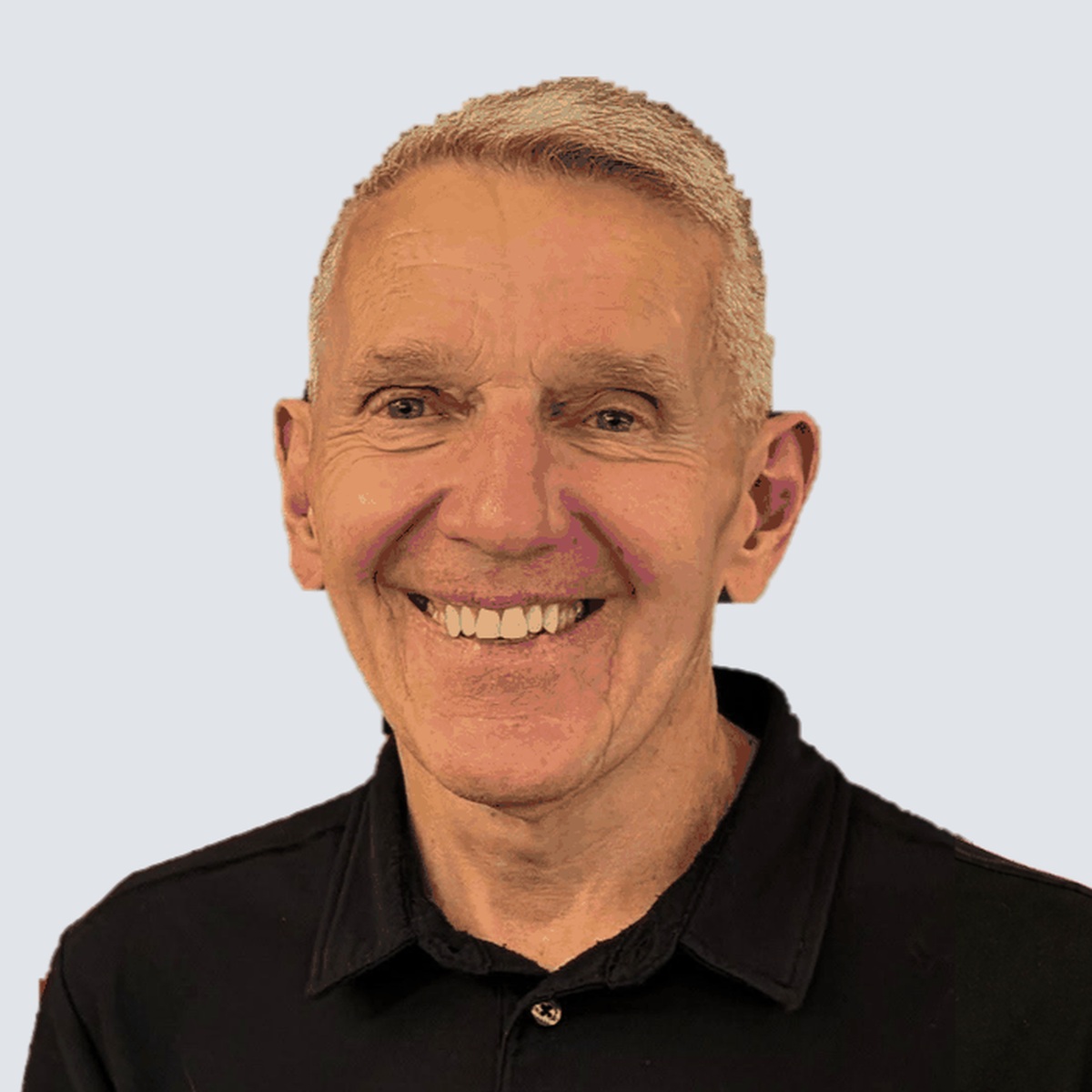
Steve Loosley
Candidate for Mayor
About the candidate: I was born and raised right here in Roseburg and graduated from RHS. After earning degrees from Oregon State, Stanford, and Western Seminary, I spent my career owning and operating local family businesses. Roseburg is home. My wife Shelley and I have invested our lives in this community through decades of civic service. I view the opportunity to serve as mayor as the natural culmination of years of hands-on business preparation, community leadership, and deep local relationships.
- 1. Why are you seeking the unpaid position of Roseburg mayor, and what have you learned from residents during your campaign?
-
Roseburg is at a critical turning point. Several local leaders have expressed deep concern to me privately about our current trajectory, with one putting it bluntly: “It feels like we’re circling the drain.”
At the start of 2027, Roseburg will have a historic opportunity for a clean reset: a new mayor, up to four new council members, and a new city manager. We cannot afford passive management during this transition. I am seeking the mayor’s seat because this moment demands tested private-sector leadership, clear accountability, and someone willing to roll up their sleeves and give this community everything they've got to set a bold, new positive direction. - 2. What is one city decision or issue you would like the council to reconsider? What would you recommend instead?
-
The City made a serious misstep on December 13, 2021, when it voted to contract downtown parking enforcement to ACE Parking. Petty fines have frustrated everyone and driven customers away from our core businesses. It is time to terminate the ACE contract and return to free parking.
As mayor, I will personally visit every downtown business owner, give them my cell number, and partner with them on common-sense parking management that actually supports retail and dining. Together, we can send a clear, unmistakable message: downtown Roseburg is open for business. - 3. What would you ask the council to focus on during your first year as mayor, and how would you build support for it?
-
In my first year, I will ask Council to focus on two urgent priorities:
- Reclaiming Public Safety & Parks: Enforce no-camping rules along our riverfront, bike paths, and parks, paired with transitioning individuals from the Deer Creek camp into a structured, service-supported site with real accountability.
- Modernizing City Codes: Cut outdated red tape so small businesses can grow, housing projects can advance, and entrepreneurs find an ally in City Hall rather than an obstacle.
I will build support by investing deeply in collaborative relationships. On Council, I will ensure every councilor has a meaningful voice and a stake in these goals. Across our community, I will leverage trusted partnerships with county leaders, law enforcement, and local service providers so we pool resources effectively and deliver visible, measurable results.
- 4. When city priorities compete for limited funding, what principles would guide the recommendations you make to the council?
-
When city priorities compete for limited funding, my recommendations to the Council will be guided by three straightforward principles: core fundamentals first, operational efficiency before new spending, and voter-driven accountability.
First, city government must focus on core public services, such as public safety, infrastructure maintenance, and basic community health, before considering discretionary items. Funding those essentials effectively demands the small-business discipline of doing more with less. By modernizing outdated city practices, cutting red tape, and scrutinizing every budget line with fresh eyes, we can stretch existing resources to deliver better results.
Above all, tax dollars belong to the people who earned them. My recommendations will be directly anchored in the voices of everyday residents, ensuring the city’s budget reflects the practical, kitchen-table priorities of the working families who pay the bills. - 5. What do you believe the city can realistically do to address housing availability, homelessness, and public safety? Which parts require help from other organizations or levels of government?
-
Addressing housing, homelessness, and public safety takes two things: internal city action and external partnerships. At City Hall, we can immediately tackle high housing costs by modernizing outdated development codes borrowed decades ago from Portland, unlocking idle lots for infill housing. We can also offer local incentives to spur workforce and low-income construction.
To open major new residential land, we must build infrastructure partnerships: supporting RUSA in securing sewer grants for Charter Oaks and coordinating with private builders to finance water lines in Newton Creek.
On public safety, the city must take decisive action to close the Point and reclaim our public parks. Long-term, sustainable alternatives require partnering with Douglas County, local service providers, and healthcare systems to run structured, service-supported shelter sites. My career in local development and civic leadership provides the hands-on experience to bridge these sectors on day one. - 6. The mayor leads council meetings but does not usually cast a vote. How would you handle disagreement among councilors while ensuring residents feel heard?
-
As mayor, I will adopt the same standards used in Oregon legislative hearings. Citizens will always be encouraged to testify before the Council, but I will not permit clapping, cheering, or booing. The audience will be required to remain quiet and respectful.
The same decorum will be expected of the Council. Council members will treat others with respect and speak only after being recognized by the chair. Most importantly, I will make sure every voice is heard; no council member will be allowed to dominate the debate.
One of my core values is respect for all people, and I will bring that value to council meetings. Long after our service ends, people will forget specific decisions, but the words we use and the way we treat each other will remain. - 7. At the end of the two-year term, what would you want Roseburg residents to be able to point to as evidence that you served them well?
-
At the end of two years, I want to be judged by what we accomplished, and specifically, whether we have turned the corner. Is our city headed in a new direction? Do we have an actionable plan to close the Point? Have we started down the path to expand housing opportunities, especially for working families? Have we streamlined and modernized our codes? To the extent we can answer “Yes” to each of those questions will be the evidence that I served our community well.
David Bolhuis
Candidate for Mayor
About the candidate: I grew up in Beaverton and earned degrees in history and archaeology from Grand Valley State University in Michigan. I later worked in property appraising and real estate, established my own business, and restored older homes in Douglas County. My wife and I chose Roseburg as the place to raise our family. I am a licensed real estate broker and local business owner.
- 1. Why are you seeking the unpaid position of Roseburg mayor, and what have you learned from residents during your campaign?
-
I feel a strong desire to serve the city of Roseburg and give back to the community that has helped me build my career and that has been so welcoming to my wife and I. I also think that Roseburg possesses a tremendous amount of potential but that it needs new leadership in order to begin working towards a more prosperous future for the city. With the departure of Mayor Rich, who has served for 28 years, Roseburg has a unique opportunity to build upon its strong existing foundations.
I have had the opportunity to speak with many residents, not just throughout my campaign but through my personal work, and the most consistent concern that I encounter is that they feel ignored by the city. This encompasses a number of issues, including the feeling of stagnation that many residents sense and the feeling that there is no forthcoming resolution to the homelessness issue. - 2. What is one city decision or issue you would like the council to reconsider? What would you recommend instead?
-
I believe that the primary challenge facing the city is homelessness and how to approach the issue. I think that the city council has found itself in a challenging position as it has to consider multi-variate factors that include existing state laws, local ordinances, city financing limitations and the interests of its residents, local business owners, NGOs and the homeless community itself. The council has made numerous attempts over the course of the last 5 years to address this issue and has struggled to navigate and balance the aforementioned interests.
I would encourage the council to continue working to identify a parcel of land that could be used as a base to consolidate the existing homeless camps. I know that there have been several failed attempts to acquire land for this purchase, most notably the 1899 SE Stephens lot and the 225 Bogard St lot. The Stephens lot is situated adjacent to a high-density residential neighborhood, whilst Bogard is located across the street from several residential homes and a mix of commercial and industrial operations. The other proposed sites seemed to be situated in comparable locations that made it challenging for the city to justify. I do not view this as the perfect solution as I understand that state law may complicate the enforcement of a single site. I do, however, see it as a solid starting point to begin addressing the issue. - 3. What would you ask the council to focus on during your first year as mayor, and how would you build support for it?
-
I do not want to linger on the homelessness challenge, but that would be an obvious item that I would like the council to focus on. I would also encourage the council to work toward supporting the existing local businesses downtown whilst working to upgrade outdated infrastructure and repair existing damaged infrastructure in the historic district and the surrounding neighborhoods.
I would encourage cooperation between council members through the development of work studies and a plan to obtain available grants that would help fund and support these projects. I think that the best way to build support for these items is by being transparent about how the city is obtaining and dispersing funds, developing a solid plan that can be realistically executed and by openly discussing the city’s vision for the future of Roseburg and by actively inviting the public to participate in that vision. - 4. When city priorities compete for limited funding, what principles would guide the recommendations you make to the council?
-
I believe that the city council has a duty to serve its residents and their needs. In principle, this would translate into prioritising funding for infrastructure repairs and upgrades, economic development and the police and fire departments. These three items are at the core of a functioning city. Without proper infrastructure, a city cannot attract new economic opportunities and stifles existing businesses whilst making transportation and daily life for residents more difficult. Without investment in economic development, residents will have to look to other cities for opportunities. The city will also miss out on future tax revenue from both people leaving the city and business avoiding Roseburg. Without the police department, public safety may become a concern, which would naturally affect the state of the city and the residents desire to participate in public life. Without the fire department, crucial medical response and property protection would be lacking.
- 5. What do you believe the city can realistically do to address housing availability, homelessness, and public safety? Which parts require help from other organizations or levels of government?
-
This is a very challenging question. Regarding housing availability, the city has not met its long-term development goals for new unit development. I think this may be attributed to a number of factors, including the difficulty of development of single-family and multi-family units in the area due to topographical and eographical features particular to this area, the rapid increase in material costs and the general increase in the supply of existing homes that has steadily risen since May of 2022, which may deter investors from embarking on large development projects.
The city has already taken steps to address this issue through the boundary swap initiative. It has also adopted state middle housing ordinances and has loosened local restrictions on these types of developments. The housing issue is very complex and, as I mentioned above, the city has already taken several reasonable steps to address these concerns. There are other factors outside of the city’s control, such as increased material and labor costs, increasing interest rates, home owners with low interest rates who do not need to sell, etc., which have contributed to a market that has been effectively frozen for the last four years. The increase in the supply of existing homes for sale has increased significantly within the city limits, especially over the course of the last year. This has not created noticeable downward pressure on prices at this time for reasons that are, again, outside of the city’s control. Until this supply is reduced, it will be difficult to attract new developers willing to invest. I think this last point is important to reiterate.
I think it is reasonable to expect the city to have the capacity to identify a parcel of land that is satisfactory for a consolidated homeless camp. Purchasing that parcel and developing the infrastructure necessary to operate it may be difficult as the city would need to secure enough funds for the project and introduces local concerns that would have to be navigated through public hearings. My desire is not for the city to continue the cycle of identifying a parcel and then failing to purchase it. I would simply encourage the city to work diligently with its all involved parties to a find a strong starting point from which to begin working toward a satisfactory solution.
From what I understand, the city police are understaffed. In order to address this concern, the city should work to secure additional funding for the department whilst encouraging the city police to prioritize public peace and safety.
I think that in the case of all three items, cooperation between city officials, NGOs, local business owners and residents will be necessitated. - 6. The mayor leads council meetings but does not usually cast a vote. How would you handle disagreement among councilors while ensuring residents feel heard?
-
Through my years of running small projects and helping navigate complex real estate situations, I have garnered significant experience in facilitating communication between parties that have varied interests. I think this experience will help me navigate the complexities of city council and balance the interests of each city council member, while keeping the desires of the residents in focus. If elected, I intend to be available to speak with anyone who has a concern that they wish to express outside of city council meetings. I would also publicly encourage residents to actively participate in the governance of the city by attending meetings and bringing their concerns before the council.
- 7. At the end of the two-year term, what would you want Roseburg residents to be able to point to as evidence that you served them well?
-
The challenge with this question is that two years is a short period of time with which to accomplish many of the tasks that we have discussed. Within the scope of a two-year term, I would hope to have created a positive and hopeful environment throughout the city and in the historic district in particular. I also think proper service would manifest over a two-year term if the following items were accomplished;
- The streets in the historic district and the surrounding neighborhoods have been repaired, paved and are kept clean
- New businesses have opened up in the historic district and in the suburbs of the city
- Existing businesses are still thriving and feel supported both financially and publicly by the city government. This may take several forms, including through grants that are actively pursued, parking reform that favors the businesses and residents and the funding of additional events that will bring new customers and renewed interest to the downtown historic district.
- Real, tangible steps have been taken to fully address the homelessness issue.
City Council
Ward 1
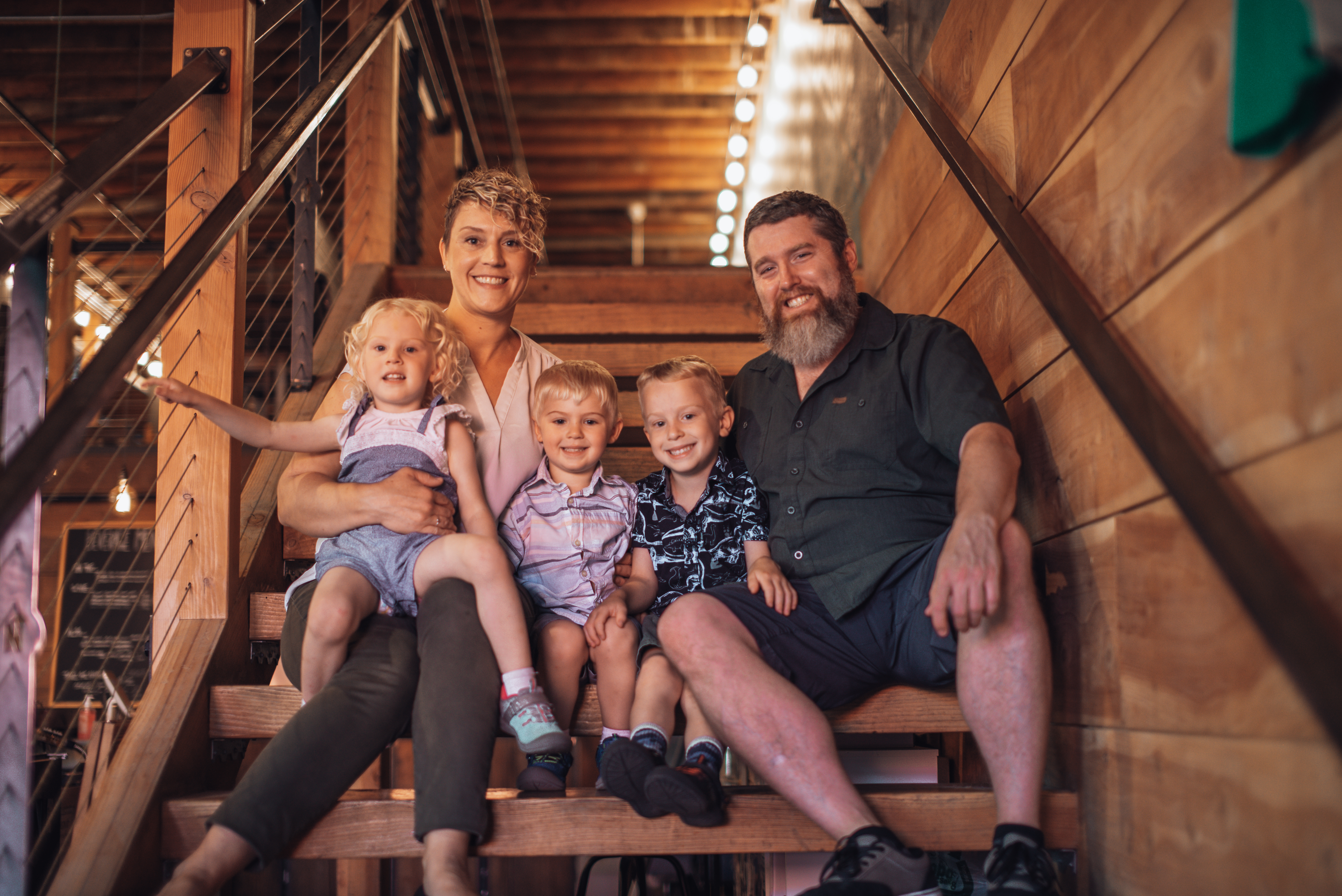
R.J. Mills
Candidate for City Council, Ward 1
About the candidate: I grew up in Roseburg and graduated from RHS in 1998. Eleven years
ago, I came back to start a business, raise a family, and invest in
the community where I grew up.
I'm a husband, father of three, local business owner, a founding
member of Blocktoberfest, and a member of the Roseburg Downtown
organization. My background includes an education in chemistry and
business. With experience coaching, teaching, manufacturing, sales,
and finance. As a business owner, I've ended up doing just about every
part of running a business, from operations and production to
marketing, hiring, construction, and dealing with permits and
regulations.
Being involved in the community has reinforced my belief that
Roseburg's future depends on people who are willing to participate,
work together, and take responsibility for where they live.
For me, this campaign is about more than where Roseburg is today. It's
about whether the next generation can build a life here and see a
future here.
- 1. What are your top three priorities if elected to the Roseburg City Council? Why did you choose them?
-
My first priority is homelessness, with a focus on what the city can actually do and whether those efforts are working. The city doesn't own the whole problem. Some parts belong to the county, state, or federal government. But there are things we can control locally, and we should be clear about what those are, what we are spending, and what we expect that spending to accomplish.
Second is economic stability and growth. I want Roseburg to be a place where families can build a life, young people have reasons to stay or come back, skilled workers want to move here, and businesses see opportunity. Being a small Oregon town isn't the problem. I want us to be a small town that is building for the future instead of continually losing young people and families.
Third is making better use of the resources we already have. Roseburg has talented people, active organizations, local businesses, and public resources doing good work. Too often, they aren't working together as well as they could. I think the city can do a better job of connecting those efforts instead of creating another program every time we see a problem.
I chose these priorities because they are areas where I think the city can make a real difference if we stay focused and use what we already have well. - 2. What concerns have you heard most often from residents of your ward, and how would you bring those concerns to the council?
-
The issue I hear most often is homelessness. It affects residents, businesses, neighborhoods, parks, and the people experiencing homelessness themselves.
It is a complicated problem, but complexity can't be an excuse for not making decisions. I would want the council to have a clear discussion about what the city can influence, what belongs to the county or state, and where local resources can actually make a difference.
There are already agencies and organizations working on different parts of the problem. I would like to see the city communicate with them more effectively and make sure we aren't duplicating efforts or spending money without knowing what we are getting for it.
I would also bring the basic questions to council: What are we trying to accomplish? What will it cost? How will we know if it worked? And if it isn't working, are we willing to change course?
Those are questions I think residents have a right to ask, and I would be comfortable asking them on their behalf. - 3. City projects and services compete for limited funding. What would you prioritize in the city budget, and what would you be willing to postpone or spend less on?
-
I would start with the resources we already have. Before adding another program or spending more money, I want to know whether the programs and services we are already paying for are doing what they are supposed to do.
Basic city services have to come first. That includes streets, water, stormwater, public safety, and maintaining the infrastructure we already own. I also think economic activity matters. We need a downtown people want to use, businesses that can grow, and a community where families have reasons to stay.
I would be willing to postpone spending that doesn't clearly support those priorities or where the city can't explain what the spending is supposed to accomplish. That could include studies or programs that don't have a clear purpose, measurable results, or a point where we decide whether to continue them.
I also think the city and county should look for more opportunities to work together. If two governments are spending money to address the same problem without coordinating, that's something the council should look at.
To me, good stewardship isn't simply about spending less. It's about making sure the money we have is being used well. - 4. Describe a city decision you agree or disagree with. What would you have done, and why?
-
One issue I have concerns about is the discussion of using city-owned downtown parking lots as potential urban campground sites. I don't think the city should move forward with that without first understanding the costs and consequences.
What would it cost to operate? What services and oversight would be needed? How would it affect nearby businesses and residents? What happens if it doesn't produce the expected results? And how would it fit with the other things the city is already doing on homelessness?
I think those questions should be answered before the city commits public property and money to the idea. I would have voted against moving forward until we had a clearer picture of the operating plan and the expected results.
More broadly, that is how I want to approach decisions on council. I want to understand not just what a proposal does today, but what it requires six months or a year from now. - 5. How would you make yourself accessible to residents, including people who cannot attend council meetings?
-
I want residents to be able to reach me when they have a question, concern, or idea about something happening in their neighborhood or in the city.
That means being responsive to email, setting aside times when people can talk with me, and making time for a one-on-one conversation when an issue needs more discussion. Not everyone can attend a Monday night council meeting, and they shouldn't have to in order to be heard.
Being accessible also means being honest about what I can and cannot do as one council member. I won't be able to fix every problem someone brings to me, but I can listen, ask questions, help them understand the process, and bring their concerns to the council when appropriate.
I also think it is important to hear from people before an issue gets to a vote. Once something is on the agenda, much of the work has already happened. If someone has a legitimate concern or a good idea, I want them to have a chance to raise it early enough to be considered. - 6. If elected, what is one result you would hope residents could point to after your first year on the council? How would they know progress had been made?
-
I don't think a successful first year needs to be defined by one big project. I would rather see a council that is more deliberate about setting priorities, making decisions, and checking whether those decisions worked.
I would like residents to be able to look at a few specific decisions and see that the city identified a problem, committed resources, set an expectation, and then came back to see what happened.
I would also like to see better communication between the city, county, businesses, and community organizations. When responsibilities overlap, people should not have to figure out which government is responsible while the problem sits there.
I don't think a first-year councilor should promise to transform Roseburg in twelve months. If residents can look back after a year and see a city government that is communicating better, following through more consistently, and paying closer attention to results, I would consider that meaningful progress.
Ward 2
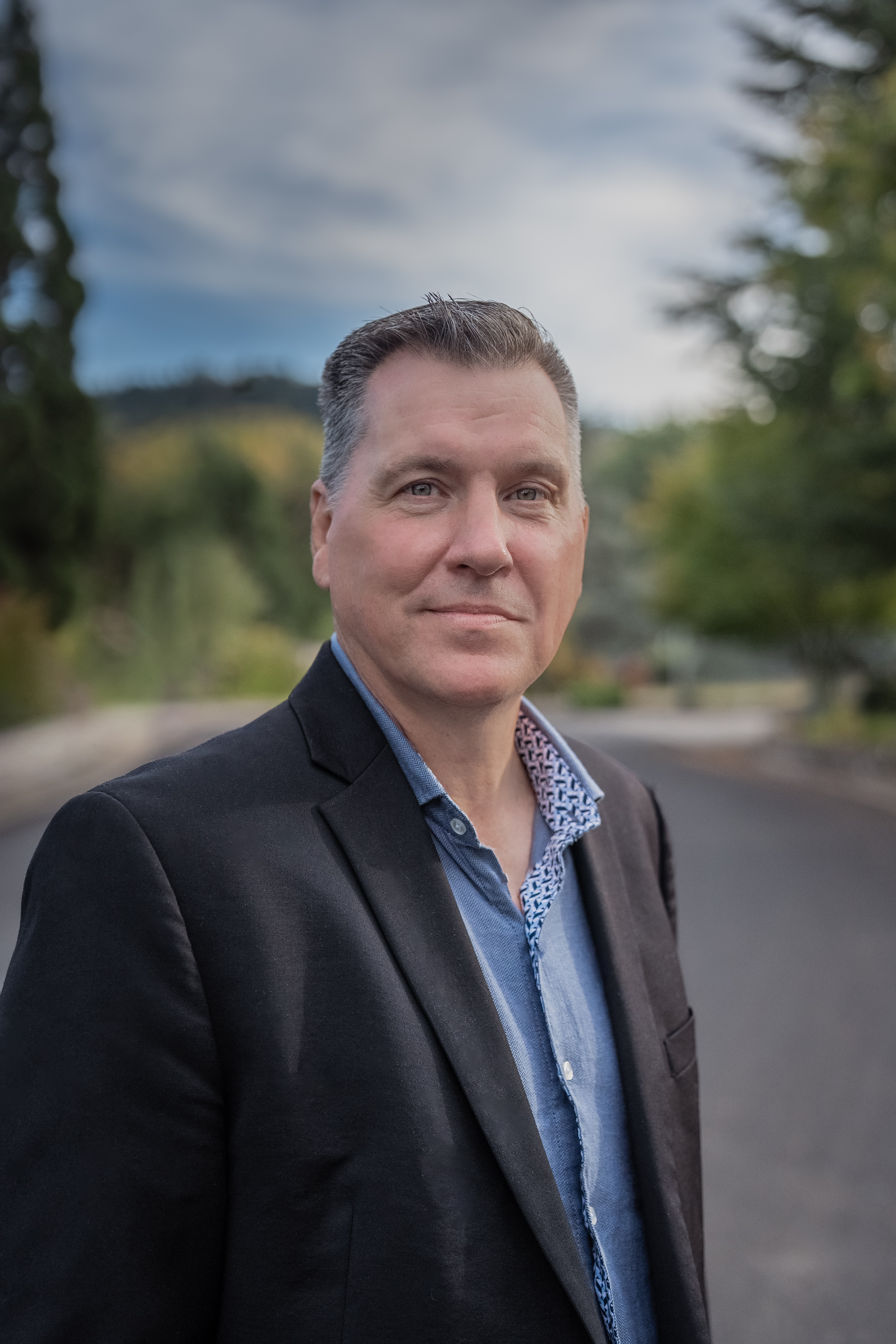
Mike Baker
Candidate for City Council, Ward 2
About the candidate: I’m a regional transportation planning manager with over 30 years in public administration. I’ve called Roseburg home for decades, and over that time I’ve had the privilege to serve our community in a few different roles-including eight years on the Roseburg City Council and more than 20 years on the city’s Budget Committee. Beyond that, I’ve worked on several regional boards, including the Roseburg Planning Commission, the Housing Authority of Douglas County, the Umpqua Public Transportation District, and the Roseburg Urban Sanitary Authority. I hold a Bachelor’s degree in Regional Planning from Indiana University of Pennsylvania.
- 1. What are your top three priorities if elected to the Roseburg City Council? Why did you choose them?
-
For me, it comes down to three main focus areas: getting a handle on public safety, making housing more reachable, and helping local businesses thrive.
On safety, people ought to feel comfortable walking through our parks and on our city trails again. Cleaning up and securing high-impact areas like the Point at Deer Creek Park needs to happen, and while we do that, we have to connect people in need with actual shelter options while holding firm on public health standards and accountability.
When it comes to housing, City Hall can’t dictate market prices, but we can control how long and how much it costs to get permits. I want us to take a close look at our development codes so that folks trying to build starter homes, duplexes, or townhomes don't get bogged down in unnecessary delays and fees.
Finally, we need a downtown where small businesses can actually flourish, which starts with sensible parking rules instead of quick-trigger ticketing. At the end of the day, my goal is pretty straightforward: people should be able to step out their front door and see that things are actually getting better. - 2. What concerns have you heard most often from residents of your ward, and how would you bring those concerns to the council?
-
When I talk to neighbors in Ward 2, the same few issues come up again and again: safety in our parks, the price of housing, and whether the city is spending tax dollars wisely. Parents want to take their kids on the trail system without worrying, and young working families are struggling to find a starter home they can afford.
I don't plan on bringing vague guesses to council discussions. Having spent over two decades on the Budget Committee and eight years in a council seat, I know how the mechanics of city government work. I’ll focus on tracking basic progress—like checking if permit turnaround times are actually improving or if our park cleanup efforts are making a permanent difference, so we know whether our decisions are delivering actual results for residents. - 3. City projects and services compete for limited funding. What would you prioritize in the city budget, and what would you be willing to postpone or spend less on?
-
The core basics have to come first: police and fire response, reliable infrastructure, and making sure public places like Deer Creek Park are safe and usable for everyone. If a line item directly improves community safety or helps open up land so housing can actually get built, that’s where the money should go.
Where can we scale back? We need to clean and clear Deer Creek park to reduce the demand on our emergency services. We should put a pause on non-essential administrative studies, trim away discretionary reviews that add extra weeks to construction, and reconsider programs that don't have a clear purpose or measurable outcome. Having looked at city budgets for more than twenty years, I know there's always room to trim operational overhead so we can protect the essential services people rely on every single day. - 4. Describe a city decision you agree or disagree with. What would you have done, and why?
-
I strongly disagreed with the city's decision to buy property for a homeless camp. We never got a clear, data-backed explanation for why purchasing land was necessary, nor was there a thorough review of how neighboring properties would be impacted. On top of that, there were no concrete design plans, no reliable cost estimates for building it out, and no ongoing funding plan to operate or maintain it..
If I were facing that choice, I would have pushed to amend and enforce our time, place, and manner rules first, clean up health hazards at Deer Creek Park, and work directly with existing local non-profits to make use of shelter space that's already available. You wouldn't buy a house without knowing what it costs to fix up, how you're going to pay the monthly utility bills, or if it even meets your needs, and City Hall shouldn't spend tax dollars that way either. - 5. How would you make yourself accessible to residents, including people who cannot attend council meetings?
-
I’ll make sure our council meetings stay live-streamed online and push to make recorded meetings easier to find and watch later on demand.
For folks who can't make it to a meeting in person, I'll keep my email inbox and phone open to hear thoughts directly. I’d also like to see the city use online survey tools more often so residents can share input on major issues before council takes a final vote. - 6. If elected, what is one result you would hope residents could point to after your first year on the council? How would they know progress had been made?
-
A year from now, I want people to walk down to Deer Creek Park and the trail system and see that it's clean, safe, and open for everyone to enjoy again.
You’ll know we made progress because you’ll see the difference firsthand: clear trails, restored riverbanks, visible security, better lighting, and families actually using the park again. Behind the scenes, that progress will show in lower permit turnaround times and fewer regulatory roadblocks for new home construction. Good local government isn't about lofty speeches-it’s about getting practical work done where people can see it.
Ward 3
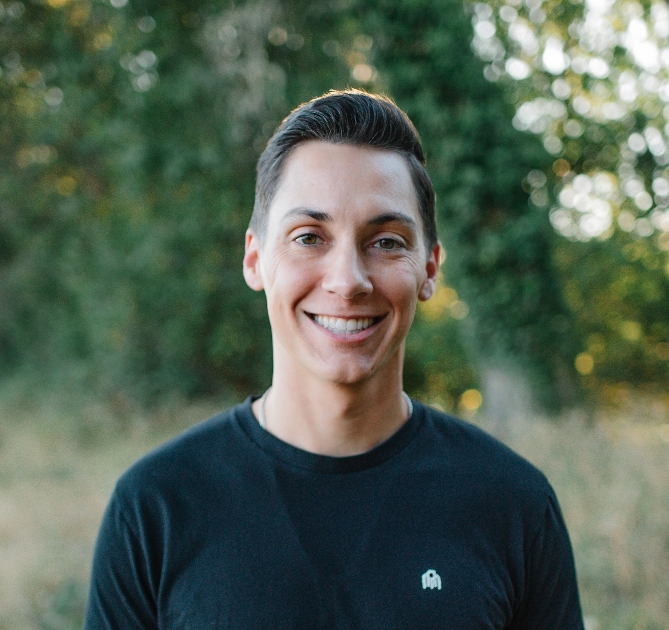
Samuel Denney
Candidate for City Council, Ward 3
About the candidate: I’m Samuel Denney and I’m running for City Council for Ward 3, which includes Harvard, W. Harvard, Laurelwood, and Lookingglass Rd. I was born and raised in Roseburg, growing up heavily involved in local programs, including 4-H, where I participated in animal science raising swine to auction and worked as a summer aide during college. I come from a family of hunters and hikers, and was raised enjoying the beautiful outdoors in Douglas County. I graduated from Douglas High School before attending UCC’s nursing program, where I obtained my Registered Nurse license. I continued my education at OHSU, graduating summa cum laude with my Bachelor of Science in Nursing, and then at Capella University where I completed my Master of Science in Nursing with an emphasis in Nursing Leadership and Business Administration. Throughout my education, I always knew I’d return to my community to make it stronger, and for the last 15 years I have contributed to that by working in Mercy Medical Center’s Emergency Department. Five years ago, I saw a need for improved substance use treatment in our community and took a full-time position with Adapt to oversee operations of multiple substance-use programs, while continuing to work in the Emergency Department on a part-time basis.
Personally and professionally, I have joined multiple other organizations and commissions focused on improving our community. Currently, I serve as a commissioner of the Roseburg Parks and Recreation Commission; Treasurer of the Umpqua Bird Alliance (Formerly Umpqua Valley Audubon Society); am a member of the Drug, Alcohol, and Rx Taskforce (DART); and of the Oregon chapter of the American Association for the Treatment of Opioid Dependence (AATOD).
- 1. What are your top three priorities if elected to the Roseburg City Council? Why did you choose them?
-
- Homelessness - I plan to shut down the unsanctioned homeless camp in Deer Creek Park/Greenway via development of a low barrier emergency shelter and enforcement of our city’s time, place, and manner ordinance. I do not believe the city needs to manage and spend taxpayer funds directly on a low barrier shelter, but rather support and recruit organizations to our city who specialize in this area. We need homelessness to be at the top of each and every agenda for discussion at City Council until this is resolved.
- Public Safety - I will break down barriers to recruitment and retention of our local police force so we can have increased patrols in our neighborhoods and schools, increased police presence near our businesses, and an increased ability to keep our community safe. Our neighborhoods need more police to manage speeding, make the streets comfortable to walk through, mitigate illegal dumping and vandalism, and keep our parks free of crime so they can be a place of comfort and relaxation for the community. I want to put the city to work for areas of our community most in need. It’s hard to call a place home if it feels unsafe.
- Sustainable Infrastructure - To achieve the future we all want, one with robust economic and community growth, we need to build and maintain a solid infrastructure. I will take a forward-thinking approach to assessing and improving our waste management, water, sewer, and road systems. We must be proactive in developing a master plan that accounts for aging infrastructure and addresses potential barriers to our future growth.
- 2. What concerns have you heard most often from residents of your ward, and how would you bring those concerns to the council?
-
The top concerns I have heard from the community of Ward 3 are:
- Lack of Safety in the City Due to Homelessness - I would help residents of Laurelwood and the Ward by continuing to advocate and fight for homelessness to be addressed and at the top of the agenda at every single City Council meeting moving forward. I will create actual solutions rather than just discussions. I will advocate for expansion of exclusion zones to include our Ward 3 parks (Quintus, Brown, and Fir Grove Park) and surrounding the Umpqua Valley Art Center, so that we may have recreational areas in our Ward that are heavily protected from crime.
- Speeding in Our Neighborhoods and Schools - I will bring Roseburg Police policy and procedural changes to City Council so that we may reduce barriers to recruiting and retaining officers. For example the RPD Policy 1019.3 which mandates that visible tattoos or body art on the neck or having “full arm sleeves” disqualifies you from being hired at the police department. I find this to be a potential barrier to recruitment and would work to alter this policy so that we may increase qualified candidates coming to our area.
- Odor from the Rural Urban Sanitary Authority’s Goedeck Wastewater Treatment Facility - This odor is negatively impacting residents of West Harvard and Lookingglass Rd. I have spoken with RUSA leadership regarding this problem and a solution, like many, is expensive. I will bring this topic to City Council to attempt to partner with RUSA in how we can achieve a practical solution which reduces this odor. I will collaborate on cost management by seeking out any grant funding available or for fiscally responsible planning in the future to include this in a potential city budget.
- 3. City projects and services compete for limited funding. What would you prioritize in the city budget, and what would you be willing to postpone or spend less on?
-
My priorities for the city are always going to be what keeps our community safe, healthy, and happy. The budget should always prioritize Police, Fire, and Emergency Services. As a Registered Nurse in our local Emergency Department, I work with these incredible city staff and have seen firsthand what a deficiency in these services can cause. Every single person in our community deserves to feel safe and to have immediate access to emergency care. Although this would be the priority, I will work with city staff to identify potential projects that could be postponed or budget items which could be reallocated to these prioritized areas. I believe that to be an effective council member, collaboration and effective communication with staff is paramount. City staff are experts, so I would collaborate with them to identify where budget adjustments would have minimal negative impact.
- 4. Describe a city decision you agree or disagree with. What would you have done, and why?
-
I do not agree with the City’s repeated decision to not prioritize the homelessness issue at every City Council meeting. There is no excuse for the most important issue facing the city to go multiple agendas without being discussed. I would implore the Mayor and City Manager to place this as a continual topic of discussion at every City Council meeting. The community has spoken loudly about a need to address Deer Creek homeless camp and generate actual results. It is unacceptable that, despite two homicides and continual crime, the city still has not made this a priority. The community’s safety is jeopardized and its residents have conveyed a loss of trust that our city government will take care of this issue. We need a massive overhaul of how we are approaching solutions to homelessness in our city.
- 5. How would you make yourself accessible to residents, including people who cannot attend council meetings?
-
I value transparency above all else, and have an open-door policy when it comes to leadership. In my current Director of Operations position at multiple substance use clinics, I make myself completely available to my staff and would do the same for my constituents. After hosting my first town hall this month, I can see the real value it brings to the community members. I plan on hosting a quarterly town hall at the Umpqua Valley Arts Center if elected, so the community would have direct access and designated times to speak with me in person about any issues they feel warrant further discussion.
- 6. If elected, what is one result you would hope residents could point to after your first year on the council? How would they know progress had been made?
-
In my first year, I hope to develop enough resources for those struggling with homelessness that the city’s Time, Place, and Manner ordinance can be enforced and the Deer Creek homeless camp is no longer present. I would know progress has been made when residents of Roseburg utilize the South Umpqua waterfront trail connecting Stewart Park to downtown because it feels safe and usable once again. I measure success by knowing that a generation of children who have never experienced the beauty and fun of riding their bikes along the river can now do so with their families. I will know progress has been made when the residents of Laurelwood look from their backyards and see a clean, grassy Deer Creek greenway with the sounds of nature and not people shouting or the sounds of dogs barking.
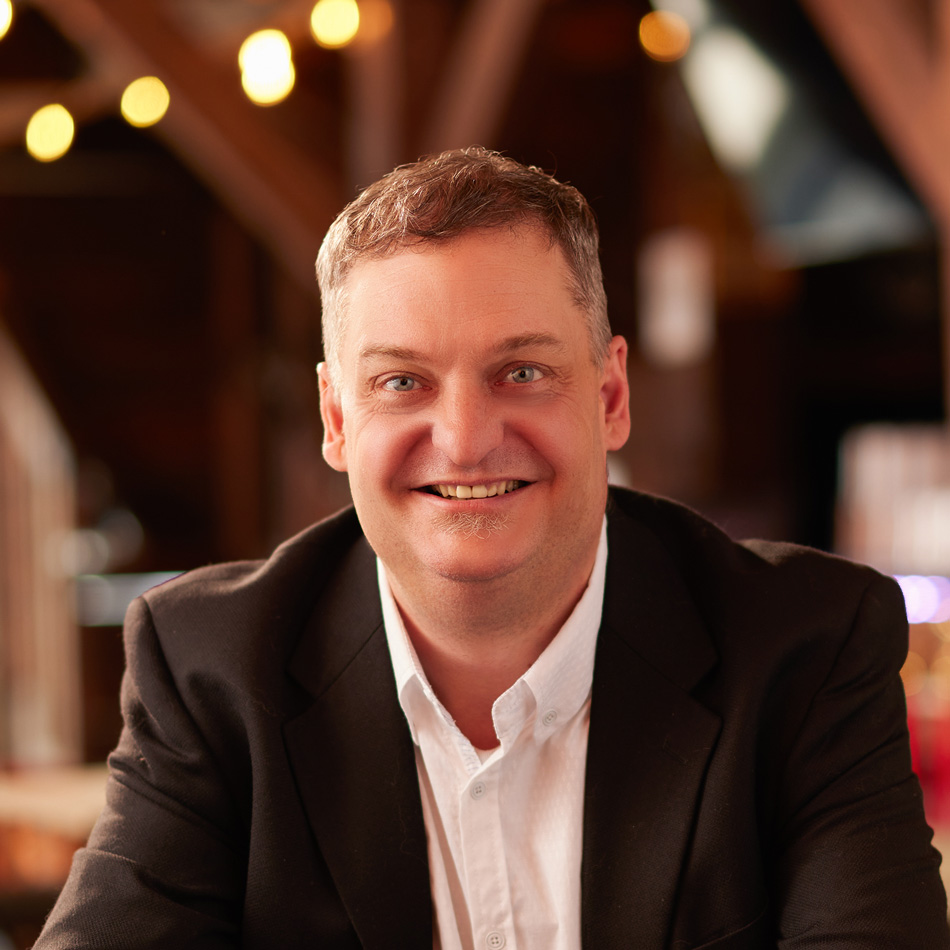
Matt Kowal
Candidate for City Council, Ward 3
About the candidate: I joined Oregon Pacific Bank in July 2022 as senior vice president and commercial banking leader at its Roseburg branch. I have 25 years of banking experience and value the bank’s community focus and its work helping local businesses succeed.
I serve as board chair of the Mercy Foundation and on the boards of the Roseburg High School Foundation and Umpqua Economic Development Partnership. I have also joined AVIVA’s board of directors.
My wife and I have adopted and raised three children. We enjoy hiking, spending time on the river, and playing golf. I remain committed to building strong community connections and supporting local businesses and neighbors.
- 1. What are your top three priorities if elected to the Roseburg City Council? Why did you choose them?
-
My top three priorities would be economic development, small-business growth, and housing solutions.
First, Roseburg needs to create an environment where businesses want to invest, grow and create jobs. As someone who has worked in the community for more than a decade, I have seen the opportunities that exist here. We need to make it easier not harder for businesses to expand and invest in Roseburg.
Second, I want to support our local small businesses. Small businesses are a major part of what makes Roseburg a community, and we should look for ways to reduce unnecessary barriers, improve communication with the city, and help businesses succeed.
Third, we need housing solutions. Families, workers, and businesses all need access to housing they can afford. We need to look at the entire process from infrastructure and development to permitting and find practical ways to encourage more housing while supporting the character of our community.
I chose these priorities because they are connected. Strong businesses create jobs, jobs support families, and families need housing. A growing community needs all three. - 2. What concerns have you heard most often from residents of your ward, and how would you bring those concerns to the council?
-
The concerns I hear most often center around growth, housing, public safety, roads and infrastructure, and the overall direction of Roseburg.
A councilor's job is to listen first and represent the residents of their ward not simply tell residents what they should think. I would make a point of talking with residents, businesses and community organizations throughout the year, not just during election season.
When those concerns come before the council, I would bring the residents' perspective to the discussion, ask questions, and seek facts before making decisions. Residents deserve to understand why decisions are made, particularly when taxpayer dollars are involved.
My goal would be to be a strong voice for Ward 3 while working collaboratively with the entire council for the benefit of Roseburg. - 3. City projects and services compete for limited funding. What would you prioritize in the city budget, and what would you be willing to postpone or spend less on?
-
With limited resources, I would prioritize the fundamentals first: public safety, maintaining roads and infrastructure, essential city services, and projects that support responsible economic and housing growth.
Before taking on new major projects, I would want the city to clearly identify the cost, the long-term maintenance obligation, the source of funding and the measurable benefit to residents.
I would be willing to postpone projects that are primarily discretionary if doing so allows the city to address more immediate infrastructure, safety or basic service needs. I would also look for opportunities to improve efficiency before simply asking taxpayers for more money.
Economic development should also be viewed as part of the long-term budget picture. Responsible investment that helps attract businesses, create jobs, and expand the tax base can strengthen the city's ability to provide services in the future.
The question I would ask is simple: Does this expenditure provide a clear benefit to Roseburg residents, and is it the best use of the dollars we have available today? - 4. Describe a city decision you agree or disagree with. What would you have done, and why?
-
One example I would point to is the city’s approach to downtown parking.
I understand that city decisions often involve competing priorities, limited resources, and regulations that the city must follow. However, I believe we should always ask whether there is a more efficient way to accomplish the same goal.
If I had been involved in the decision, I would have pushed for more direct input from downtown businesses, employees, property owners, and residents before moving forward. Parking affects people who work downtown every day, customers who are trying to support local businesses, and residents who want an active and accessible downtown. Their experience should be central to the discussion.
I would have wanted the city to look at practical options first, such as clearer signage, better communication about available parking, reasonable time limits where needed, and enforcement that supports turnover without making downtown feel unwelcoming. The goal should be to make it easier for people to visit, shop, work and invest downtown, not to create frustration or discourage activity.
I do not believe disagreement has to be personal. Good government requires council members to be willing to ask difficult questions, listen to different perspectives and make decisions based on what is best for the community. - 5. How would you make yourself accessible to residents, including people who cannot attend council meetings?
-
I would make myself accessible through multiple channels because not everyone has the ability to attend a city council meeting.
I would encourage residents to contact me directly by phone, email or social media, and I would be available to meet with residents when an issue requires a conversation rather than just an email.
I would also make a point of getting out into the community meeting with neighborhood groups, businesses, community organizations, and residents throughout Ward 3.
Most importantly, I would listen. Accessibility isn't about being available; it is about responding, following up, and making sure people know their concerns were heard.
I would also communicate back to residents about issues coming before the council and explain how I voted and why. People should not have to attend a three-hour council meeting to know what their representative is doing. - 6. If elected, what is one result you would hope residents could point to after your first year on the council? How would they know progress had been made?
-
After my first year, I would want residents to be able to point to tangible progress in making Roseburg a more business-friendly community.
That could mean measurable improvements in how the city communicates with businesses, identifies development barriers, processes applications, and works with entrepreneurs who want to invest and expand in Roseburg.
I would want us to establish clear goals and track them such as development activity, business investment, housing projects, and the time it takes to move projects through the city’s processes.
Residents should not have to take my word for whether we made progress. They should be able to see the results and measure them for themselves.
My goal after one year would be simple: residents should feel that their city government is listening, working together and helping move Roseburg forward.
Ward 4
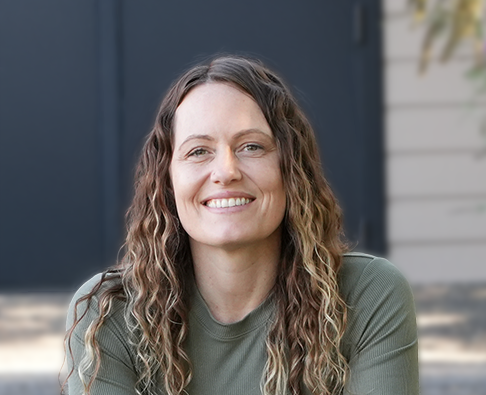
Tiffany Fouse
Candidate for City Council, Ward 4
About the candidate: I am a communications and community engagement professional, homeowner and mother of four. I was raised in Douglas County, attended Roseburg Schools and graduated from Oakland High School in 2003. I attended Portland Community College and Central Oregon Community College and worked in early childhood education at a private school in Bend before returning to Roseburg to raise my family. My career includes work in the service industry, as a Marketing Consultant at Lotus Media Group and as a Marketing Specialist at Orenco Systems. I am employed by Douglas ESD and serve as a Community Engagement Specialist in the Roseburg Schools Communications Department. I also produce and co-host Your CUE, a local radio and video program. My community involvement includes mentoring through the Miss Douglas County Scholarship Program, coaching youth softball through Cal Ripken, and serving as president of the Douglas County Women’s and Coed Slow Pitch Softball Association.
- 1. What are your top three priorities if elected to the Roseburg City Council? Why did you choose them?
-
My three priorities would be community engagement and transparency, investment in youth, and organizational health.
I believe the role of a city councilor starts with listening. Residents should have genuine opportunities to contribute to decisions that affect their community, and that requires more than simply making information available. Engagement needs to be intentional, accessible and timely. The community also needs clear information about what the city knows, what it does not know, what its role is and how decisions are being made. When people have the information they need to understand an issue and real opportunities to contribute, they are better equipped to be part of sound decision-making.
I see investment in youth as an investment in Roseburg’s future. That includes safe, welcoming places where children and families can spend time together, as well as opportunities for young people to develop skills, explore careers and see a future for themselves here. Helping young people build connections to their community and workforce can contribute to stronger families, a stronger economy and a community where they feel a sense of belonging and see a reason to stay and contribute.
I also want to contribute to the organizational health of city leadership. I believe the council can be stronger when differing perspectives are communicated effectively, considered thoughtfully and used to build better ideas. I would bring preparation, an open mind, a fresh perspective and a creative problem-solving approach to the council. Many of the challenges Roseburg is facing are longstanding, and I believe addressing them will require us to evaluate what has already been tried, build on what is working and be willing to look at what isn’t working differently. I want to help bring new ideas and new ways of thinking to the work while remaining grounded in information, collaboration and results. - 2. What concerns have you heard most often from residents of your ward, and how would you bring those concerns to the council?
-
The concerns I hear most often in Ward 4 involve homelessness and public safety. I have also heard concerns about the condition of some properties and neighborhoods, including neglected homes, lack of follow-up on abatements, gaps in sidewalks and accessibility issues. Residents have talked about how these conditions affect their sense of safety and how they influence whether people, particularly younger residents and families, see these neighborhoods as places where they want to live.
I also see an opportunity in Ward 4 because some of these neighborhoods offer more attainable housing options for young people and families. I would like to see greater investment in making these neighborhoods safer, more accessible and more welcoming places where people feel comfortable putting down roots and investing in their homes and community.
Homelessness is a particularly complex issue because it intersects with housing, behavioral health, public safety and social services. I believe the city has an important role to play, but it cannot solve every part of the problem on its own. One of the things I want to better understand is what services and resources are already available in our community, where people may be falling through the cracks, what approaches are producing results and where the city can make a practical difference.
Our community partners play a substantial role in making progress on these issues. City leadership needs to be proactive in identifying opportunities for new partnerships and strengthening existing ones. When organizations are working toward shared needs, I believe we should be looking for ways to coordinate those efforts and use the resources already available as effectively as possible.
As the city considers options such as an urban campground, I take the need for a designated space seriously, but I also believe we need to carefully consider location, safety, neighborhood impacts and the effect on nearby businesses and community spaces. The decision should be about more than simply finding a place to put people. We should be asking what we are trying to accomplish and looking at people’s individual circumstances, understanding what is contributing to their situation and using that information to inform a more holistic approach. That means addressing the needs in front of us while also looking for patterns and opportunities for prevention. If we can better understand the factors contributing to homelessness, we can work toward more proactive approaches that address those underlying issues and create more sustainable solutions over time.
I think this is an example of where a fresh perspective can be valuable. Many of the challenges Roseburg is facing are not new, and I believe we need leaders who are willing to look at longstanding problems with fresh eyes, ask different questions and consider new approaches. That does not mean disregarding what is already working. It means building on what works, being honest about what doesn’t and being willing to try something different when the results tell us we need a new approach.
I would bring residents’ concerns to the council by listening to the experiences behind them, looking at the available information and asking what actions are realistically within the city’s role. I also want to encourage creative thinking about how city resources and community partnerships can be used to address shared needs, including neighborhood revitalization and stronger coordination among organizations already doing this work. - 3. City projects and services compete for limited funding. What would you prioritize in the city budget, and what would you be willing to postpone or spend less on?
-
I would start with understanding where the money is going, what limitations exist on how funds can be allocated, what the city is responsible for providing, what results we are getting and where the gaps are.
I would prioritize services and systems that strengthen the city’s ability to meet those responsibilities effectively, including public safety, infrastructure, core city services and the internal systems needed to plan, measure and manage those investments well. I also want to look at how the city can better leverage outside funding and partnerships when community needs extend beyond what the city can reasonably fund on its own.
I would also look for opportunities to solve problems differently before assuming that additional spending is the answer. Bringing new ideas does not always mean creating something new or spending more. Sometimes it means looking at an existing process, partnership or resource and asking whether we are using it as effectively as we could.
I would not identify a particular service to cut or postpone without understanding its full cost, funding source, purpose and consequences. I would also want to compare what we are paying for a service with what other options would cost and whether they would provide the same or better results. Some funding may be restricted or tied to specific responsibilities, so the question is not always whether money can simply be moved from one area to another.
When priorities compete, I would consider who is affected, how urgent the need is, what happens if we wait, what the city is responsible for, what we can realistically do well and what we may have to give up to fund something else. I would also look at the full cost over time, how the investment is funded and how we will know whether it is working.
Being a good steward of public money means being upfront about limits and tradeoffs rather than overpromising. If an investment is not producing the intended result, I believe we should be willing to adjust the approach, learn from what we are seeing and explain that decision to the public. - 4. Describe a city decision you agree or disagree with. What would you have done, and why?
-
One recent city action I support is the proposed change to allow day-care facilities as a permitted use in Roseburg’s Public Reserve zoning district. The proposal could remove a zoning barrier for Umpqua Community College’s plans to develop a childcare facility at the former Woolley Center on Harvard Avenue.
I support this type of approach because it looks at a specific barrier and asks whether the city’s regulations are helping or hindering a community need.
Childcare is an important issue for Roseburg because access affects families, employers and the broader local economy. When families cannot find childcare, parents can be pushed out of the workforce, while local employers can have a harder time recruiting and retaining employees. Douglas County has a significant shortage of childcare, and the community is working to expand available slots. I am grateful the city is contributing to that effort by addressing barriers it can help remove.
Increasing childcare capacity can strengthen our community in ways that extend beyond the families who need it today. It can help parents stay in or return to the workforce, support local employers and create opportunities for growth in many areas of our community.
If elected, I would want to continue looking for opportunities like this where the city can reduce unnecessary barriers while recognizing the limits of what municipal government can accomplish on its own. Changing zoning does not solve the childcare shortage by itself, but removing a regulatory obstacle can make it easier for a community partner to move a needed project forward. - 5. How would you make yourself accessible to residents, including people who cannot attend council meetings?
-
I would make accessibility a regular part of how I serve rather than relying solely on council meetings. My current work in community engagement already gives me opportunities to connect with community partners, young people, families and community leaders, and I would build on those relationships while continuing to expand who I hear from.
I plan to be present throughout the community and intentional about talking with people in different settings and from different parts of Roseburg.
I would also make myself responsive to residents who reach out directly. When someone brings an issue to me, I want to understand the concern rather than immediately assume I know the answer. I would ask what they are experiencing, what they believe is needed and what they want the city to understand.
I believe community input is an important part of maintaining a broad perspective. I am intentional about keeping an open mind and being willing to expand my perspective when I hear new information or experiences that I had not considered. That means creating opportunities to hear from people who may see an issue differently than I do and allowing that information to inform how I think about decisions.
Just as importantly, I want to communicate in plain language. Residents should have a clear understanding of what the city is considering, what information is available, what remains uncertain and why decisions are made. - 6. If elected, what is one result you would hope residents could point to after your first year on the council? How would they know progress had been made?
-
I understand that I would be one council member contributing to a larger team, so any progress we make would not be solely to my credit.
One thing I would hope to contribute to in my first year is establishing a clearer long-term vision and practical strategic framework that the city can use to guide decisions and measure progress. I would also bring a fresh perspective to how we approach that work, including looking at whether existing structures, processes and approaches are helping us achieve the results we want and where a different approach could create better outcomes.
Residents should be able to see what the city is working toward, what milestones have been established and how current decisions connect to those larger goals. I would also want the community to have a clearer understanding of how progress is being measured.
That means having better information to guide decisions and being willing to adjust when the results show that something is not working as intended. It also means being open to new ideas and approaches when longstanding problems continue to produce the same challenges.
I would want that information shared with the public in a way that is understandable and useful. Long-term progress will not happen overnight, but creating a clear direction, establishing measurable milestones and improving how we communicate progress are things that can begin within a first year.
Bringing a fresh perspective does not mean changing things for the sake of change. It means understanding what has been tried, building on what works, being honest about what does not and being willing to try something different when the results show that we need to.
Ultimately, I would hope residents could point to a city government that is clearer about where it is going, more intentional about involving the community, more willing to measure results and more open to bringing new approaches to longstanding problems.
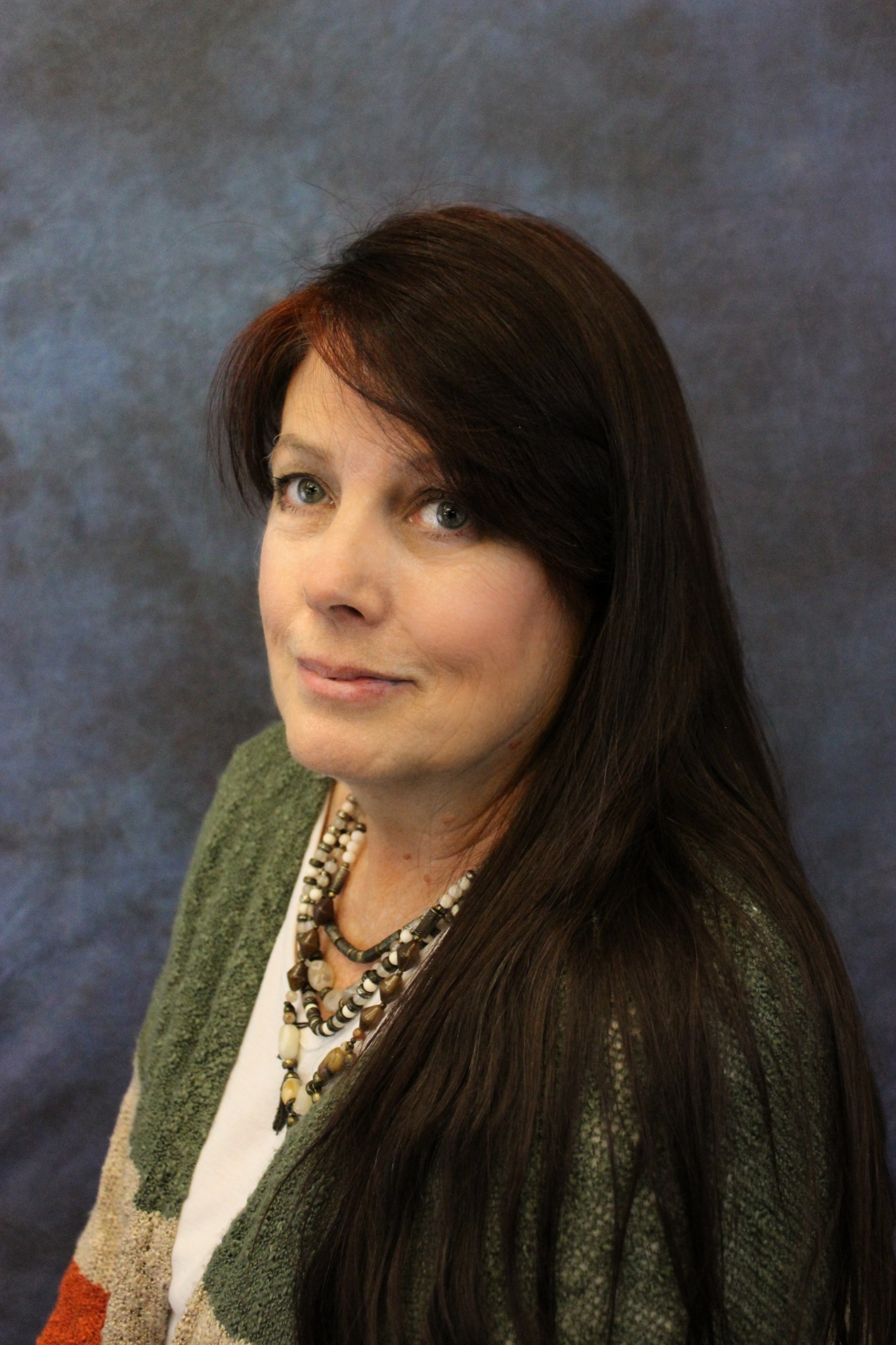
Ruth Smith
Candidate for City Council, Ward 4
About the candidate: I am seeking reelection to represent Ward IV on the Roseburg City Council. Long before I ever considered running for office, I was involved in connecting neighbors, supporting community programs, and working to make southeast Roseburg a stronger place to live.
In 2014, I helped establish Southeast Roseburg as Douglas County’s first neighborhood on the Nextdoor platform, creating a new way for residents to connect and share information. I later became involved with SERVICE - South East Roseburg Voices in Community Enhancement - and have continued working directly with residents on neighborhood concerns.
I also serve my community through nonprofit and volunteer work, including Riverbend Live!, community food access efforts, and projects focused on homelessness, housing, and neighborhood livability.
My approach to public service is simple: listen, stay accessible, follow through, and make sure residents have a voice in the decisions that affect their neighborhoods.
Ward: Ward IV, Roseburg City Council
- 1. What are your top three priorities if elected to the Roseburg City Council? Why did you choose them?
-
My top three priorities are housing, economic opportunity, and strong, safe neighborhoods.
First, housing must be addressed as a continuum. We need emergency and transitional housing, affordable and workforce rentals, starter homes, senior housing, assisted living, memory care, and opportunities for homeownership. Every part depends on the others. When one part stalls, the entire system backs up. I want the City to identify those bottlenecks and work with public, nonprofit, and private partners to remove barriers.
Second, we need to strengthen economic opportunity. A community cannot thrive if people are working but still struggling to afford housing, food, transportation, and other basic needs. I want to focus on attracting and supporting jobs that allow families to build stability rather than simply survive.
Third, I want continued investment in strong neighborhoods - public safety, infrastructure, parks, pedestrian safety, food access, and services that improve everyday quality of life.
These priorities are connected. Stable housing, economic security, and healthy neighborhoods strengthen one another, and progress requires us to address all three. - 2. What concerns have you heard most often from residents of your ward, and how would you bring those concerns to the council?
-
The concern I hear most often is the cumulative impact of concentrating so many community resources and services in and around our neighborhoods and downtown.
This area includes the court system, jail, probation and parole, the Navigation Center, the Mission, drug-treatment services, transitional housing, and other programs serving people in crisis. I strongly believe these services are necessary, but concentrating so many of them in one area creates impacts that residents and businesses experience every day.
At the same time, we are asking people to invest in and sustain our historic downtown business corridor. That becomes much harder when one part of the city is expected to absorb so many high-impact services.
I have been very clear that the other wards need to step up and share that responsibility. Helping vulnerable people is a community-wide obligation, and the impacts should not continually fall on the same neighborhoods.
I bring these concerns directly to Council, meet with residents and businesses where they are, and continue pushing for a more equitable distribution of services, stronger accountability, and decisions that support both people in need and the health of our neighborhoods. - 3. City projects and services compete for limited funding. What would you prioritize in the city budget, and what would you be willing to postpone or spend less on?
-
When funding is limited, I believe we have to protect the core services residents depend on, particularly public safety and essential infrastructure.
One of our biggest challenges is police staffing. We have funded positions that remain unfilled, and too often a new hire is followed by an experienced officer retiring. We need stronger succession planning so we are recruiting and training ahead of anticipated retirements rather than constantly trying to catch up. Reaching and maintaining full staffing has to be a priority.
Roseburg has also become a recreational hub for school and youth sports throughout Douglas County. We have done a good job using partnerships, grants and user fees to help support the infrastructure and upkeep those programs require. Our challenge now is capacity. We need additional land and green space if we are going to meet the growing demand for fields and recreational opportunities.
I would be cautious about cutting projects simply because funding is tight, since many improvements rely on grants or restricted funds. My priority is to protect essential services, plan ahead for staffing needs, continue pursuing outside funding and partnerships, and make sure local dollars provide the greatest long-term benefit to Roseburg residents. - 4. Describe a city decision you agree or disagree with. What would you have done, and why?
-
One city decision I continue to support was the purchase of Flock license-plate-reader cameras. When Council approved them in 2023, our Police Department was significantly understaffed. I viewed the cameras as another tool that could help officers use their limited time more efficiently, identify vehicles connected to crimes, and develop leads more quickly.
As a survivor of a stranger abduction as a child, I also understand very personally how important it can be to locate a suspect or vehicle quickly when someone is in danger.
That decision has become controversial because of legitimate concerns about privacy, data access, and how this technology can be used. I believe those concerns deserve serious attention. Supporting the technology does not mean giving anyone unlimited access to residents’ information.
If I were making the decision again, I would still support using the cameras, but I would also emphasize strong safeguards, transparency, auditing, and clear limits on who can access the data and for what purpose.
For me, this is about balancing privacy with public safety while making sure the public can hold us accountable. - 5. How would you make yourself accessible to residents, including people who cannot attend council meetings?
-
Before I ever thought about running for City Council, I felt a need to help connect my community. In 2014, I joined the Nextdoor neighborhood app and helped establish Southeast Roseburg as the first neighborhood in Douglas County to use it. Today, thousands of people throughout the county use the platform to connect and share information.
That experience taught me early that people need more than one way to communicate with their local government.
Many residents cannot attend evening Council meetings because of work, transportation, family responsibilities, disability, or other barriers. I use neighborhood meetings, social media, email, phone calls, and one-on-one conversations to make sure people have other ways to reach me and be heard.
I also believe in going into neighborhoods rather than expecting everyone to come to City Hall. Hearing a concern where someone is actually experiencing it often gives me a much better understanding.
My goal is simple: residents should know how to reach me, feel comfortable doing so, and trust that I will listen, follow up, and bring their concerns forward when needed. - 6. If elected, what is one result you would hope residents could point to after your first year on the council? How would they know progress had been made?
-
After my first year, I would hope residents could point to visible progress on both housing and the way community resources are distributed.
For housing, that means moving beyond simply talking about the problem. I would want the City to have clearly identified the biggest gaps in our housing continuum — from shelter and transitional housing to workforce housing, senior housing, assisted living, and homeownership — and to have concrete projects, partnerships, or policy changes underway to address those gaps.
I would also want residents to see progress toward sharing the responsibility for community services more evenly across Roseburg, rather than continuing to concentrate the greatest impacts in the same neighborhoods.
People should be able to see progress, not just hear about it. That could mean new housing projects moving forward, additional land or partnerships identified, services being distributed more equitably, or measurable steps taken to reduce the pressure on neighborhoods that have carried the burden for years.
My goal is that residents can look back after one year and say, “We are actually moving forward.”
Hear candidates answer questions live
The written responses above give voters a way to compare candidates at their own pace. The Roseburg Area Chamber of Commerce’s Candidates in Focus forum offers another chance to hear from candidates for selected local offices.
The forum is Monday, Oct. 12, from 3 to 5:30 p.m. at the Douglas County Fairgrounds, 2110 Frear St. in Roseburg. Admission is free, but registration is required for in-person attendance. Residents who have questions can send them in advance to roseburg@roseburgchamber.com.
For those unable to attend, The Roseburg Receiver and The Roseburg Plug will provide a live feed in The Roseburg Receiver Facebook group. Read more about the forum.
Comments ()