
Roseburg Clinical Supervisor’s Journey Reflects the Purpose Behind Counseling Work
Adapt Integrated Health Care is recognizing Counseling Awareness Month by highlighting Roseburg Clinical Supervisor Kira Lathrop, whose 14-year counseling career was shaped by personal experience, rural care, and a commitment to helping others heal.
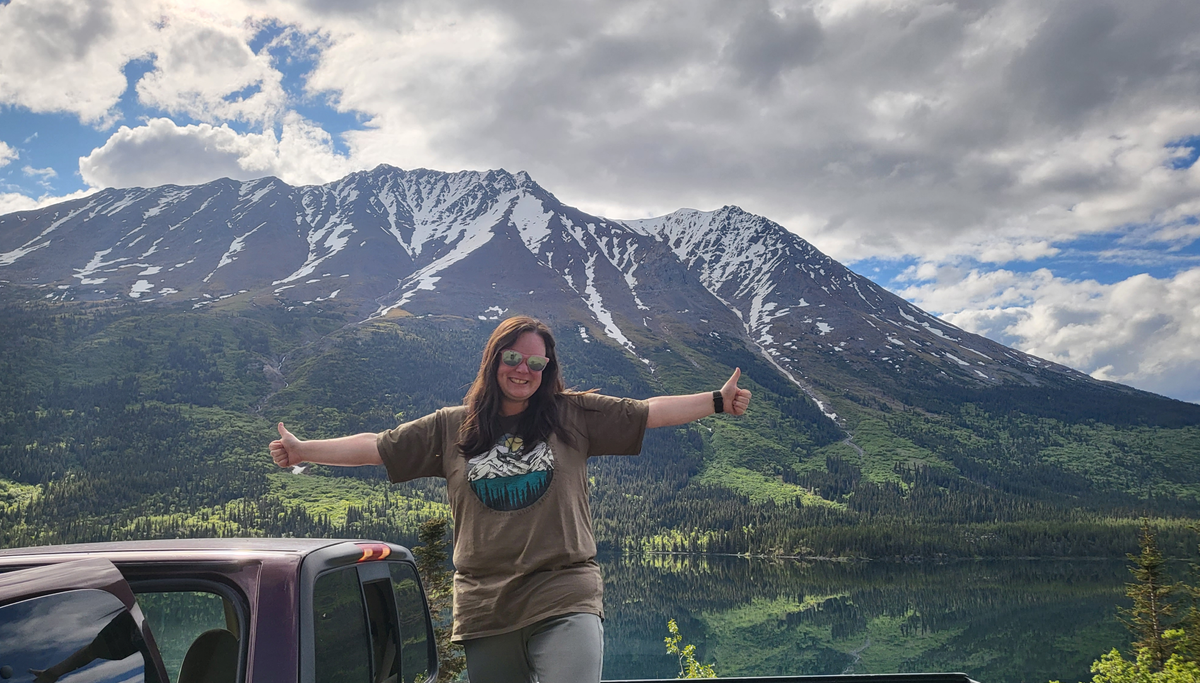
ROSEBURG, Ore. — Counseling often happens quietly, far from public view, but its impact can last for years. During Counseling Awareness Month this April, Adapt Integrated Health Care is recognizing that work by highlighting the story of Kira Lathrop, a Roseburg-based clinical supervisor whose path into the profession was shaped by both personal experience and a desire to help others.
Lathrop, LPC, NCC, now serves as Clinical Supervisor for Adapt’s Adult Outpatient team in Roseburg. She has spent 14 years in the field, helping clients navigate difficult chapters in life while also supporting fellow clinicians and strengthening care in a rural community where services are especially important.
Her interest in counseling began early.

As a sophomore in college, Lathrop found herself drawn toward work centered on supporting other people. At that point, she did not yet have a full picture of what a counseling career would become, but classes, exposure to different helping professions, and a growing interest in human behavior helped point her in that direction. Over time, she realized counseling was more than a general interest. It was where she belonged.
That choice was also influenced by her own history.
Having participated in counseling as a child, Lathrop gained an understanding of what it means to be the one seeking help. That perspective has stayed with her and continues to shape the way she thinks about the profession today.
“Every effective helper has their own story,” she said.
For Lathrop, that includes recognizing something the public may not always think about when it comes to counselors: the people providing support are also doing their own work of healing, reflection, and personal growth.
Today, her job at Adapt includes far more than meeting with clients. In her leadership role with the Adult Outpatient team, she works to support a system of care that relies on evidence-based practices, strong documentation, and collaboration across multiple disciplines. That approach is especially significant in rural health care settings, where access can be limited and coordination between providers can have a major impact on the quality of care people receive.
Lathrop said the work of counseling stretches well beyond what happens in the therapy room. It involves continued learning, teamwork, and an intentional commitment to self-care.
That is not a side note in the profession, but a necessity.
Counselors often hear painful, vulnerable, and deeply personal stories from the people they serve. Carrying the weight of those experiences can create a secondary impact for providers, making personal wellness an essential part of ethical and effective care.
At the center of the profession, she said, are the stories clients bring with them — stories that may include pain, resilience, humor, setbacks, and progress. But one of the hardest parts of the work is that the most meaningful moments often remain unseen.

“This work can feel lonely at times,” Lathrop said. “You can experience really meaningful moments with clients, but you can’t share them publicly.”
Because of confidentiality, counselors are often present for major turning points in a person’s life without ever being able to talk openly about what they witnessed. The victories stay private. The breakthroughs stay private. Even the moments that reaffirm why the work matters most often remain known only to the counselor and client.
Lathrop said counseling is also a profession that rarely produces quick, visible results. Instead, much of the work is about building the conditions that allow healing to happen.
That can mean creating a sense of safety, establishing comfort, and earning enough trust for a client to be vulnerable. Those pieces do not happen instantly, but they are essential. In that steady and often quiet process, change begins to emerge.
Clients start gaining tools they can use in daily life. Confidence begins to build. Healing starts to take form, sometimes gradually and sometimes in ways others may never fully see, but in ways that still matter deeply.
Lathrop’s own career has also been shaped by the people who helped guide her along the way. She credits mentors and supervisors with helping her grow both personally and professionally. In her current position, she now works to carry that forward by helping support the next generation of counselors as they develop their own skills, judgment, and professional identity.
As Counseling Awareness Month continues, Adapt says Lathrop’s story reflects the broader role counselors play in communities across the region. Their work is often private, and their successes are not always visible, but the effect they have on individuals, families, and communities can be lasting.
At Adapt, stories like hers help illustrate a larger mission rooted in compassion, connection, and the ongoing effort to help people and communities thrive.


Comments ()