
Roseburg City Council Votes 6-2 to Keep Flock Cameras Following Public Debate
The Roseburg City Council voted 6-2 Monday night to keep its Flock license plate cameras. Councilors Zack Weiss and Ellen Porter opposed the motion following weeks of public debate over privacy, public safety, data collection and oversight.
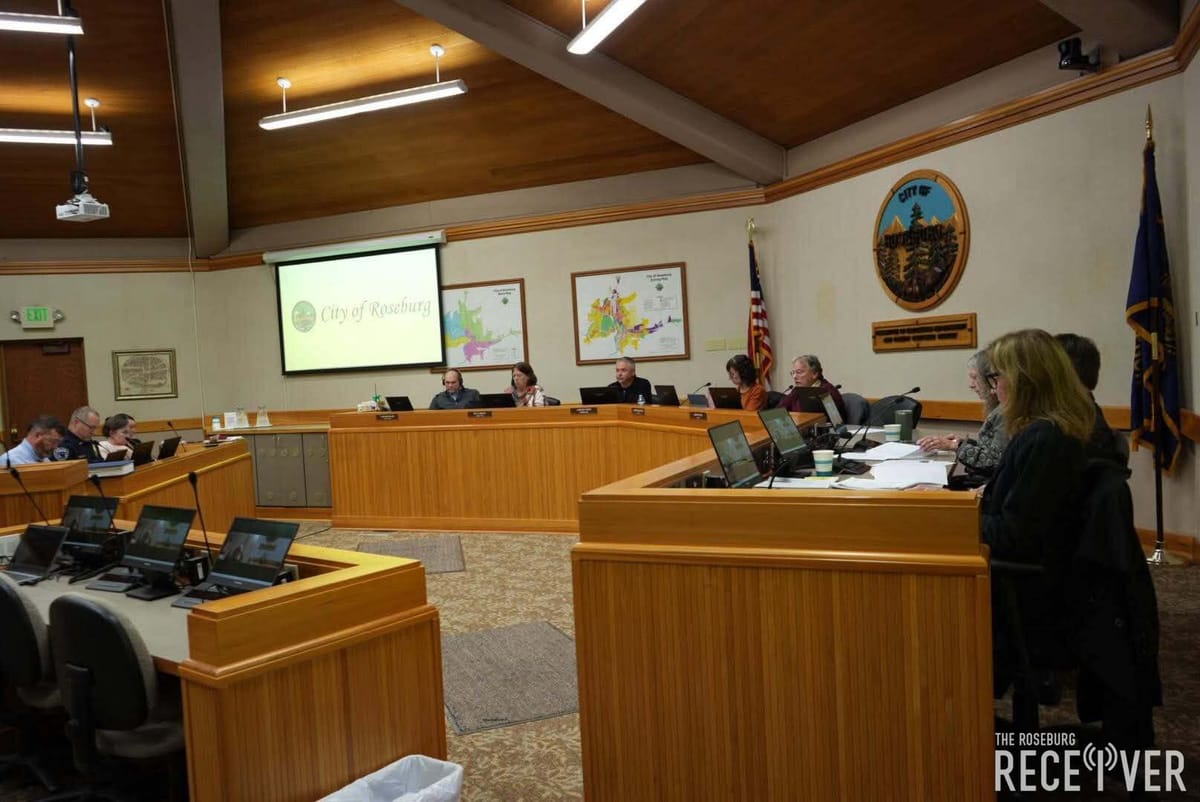
ROSEBURG, Ore. - After weeks of discussion, public testimony and questions about privacy and public safety, the Roseburg City Council voted 6-2 Monday evening to keep the city's Flock license plate recognition cameras operating as they currently are.
Councilors Zack Weiss and Ellen Porter cast the two opposing votes.
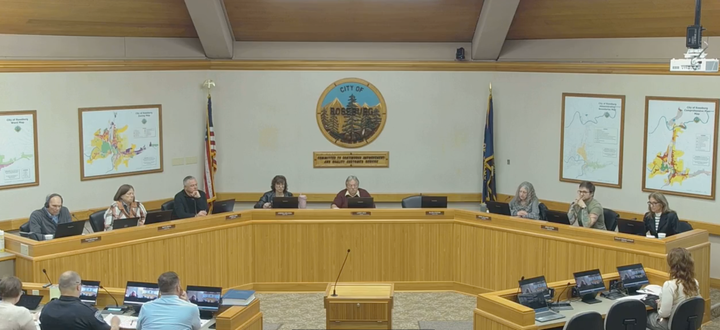
The decision came during the November 9 council meeting, which The Roseburg Receiver attended. Councilors heard from residents both supporting and opposing the cameras before returning to a motion that had been postponed at the October 26 meeting.
The motion, originally introduced by Councilor Shelley Briggs Loosley and seconded by Council President Andrea Zielinski, called for the city to keep its Flock cameras "as is."
Monday's vote allows the Roseburg Police Department to continue using the city's existing 15-camera system without additional restrictions adopted as part of the motion.
The decision followed a discussion that highlighted differences in how residents and councilors view the technology. Supporters described the cameras as an investigative tool that helps officers solve crimes and locate missing people. Opponents questioned whether the public safety benefits justify the collection of information about vehicles traveling through the city.
Several councilors also expressed interest in finding a middle ground that would preserve the system's usefulness while providing additional local oversight.
Residents Speak on Both Sides of the Issue
Public comment Monday evening included residents who supported keeping the cameras and others who urged the council to discontinue their use.
Jeff Wigstrom spoke in favor of the system, saying he believes the Roseburg Police Department has earned the community's trust through its professionalism and accountability.
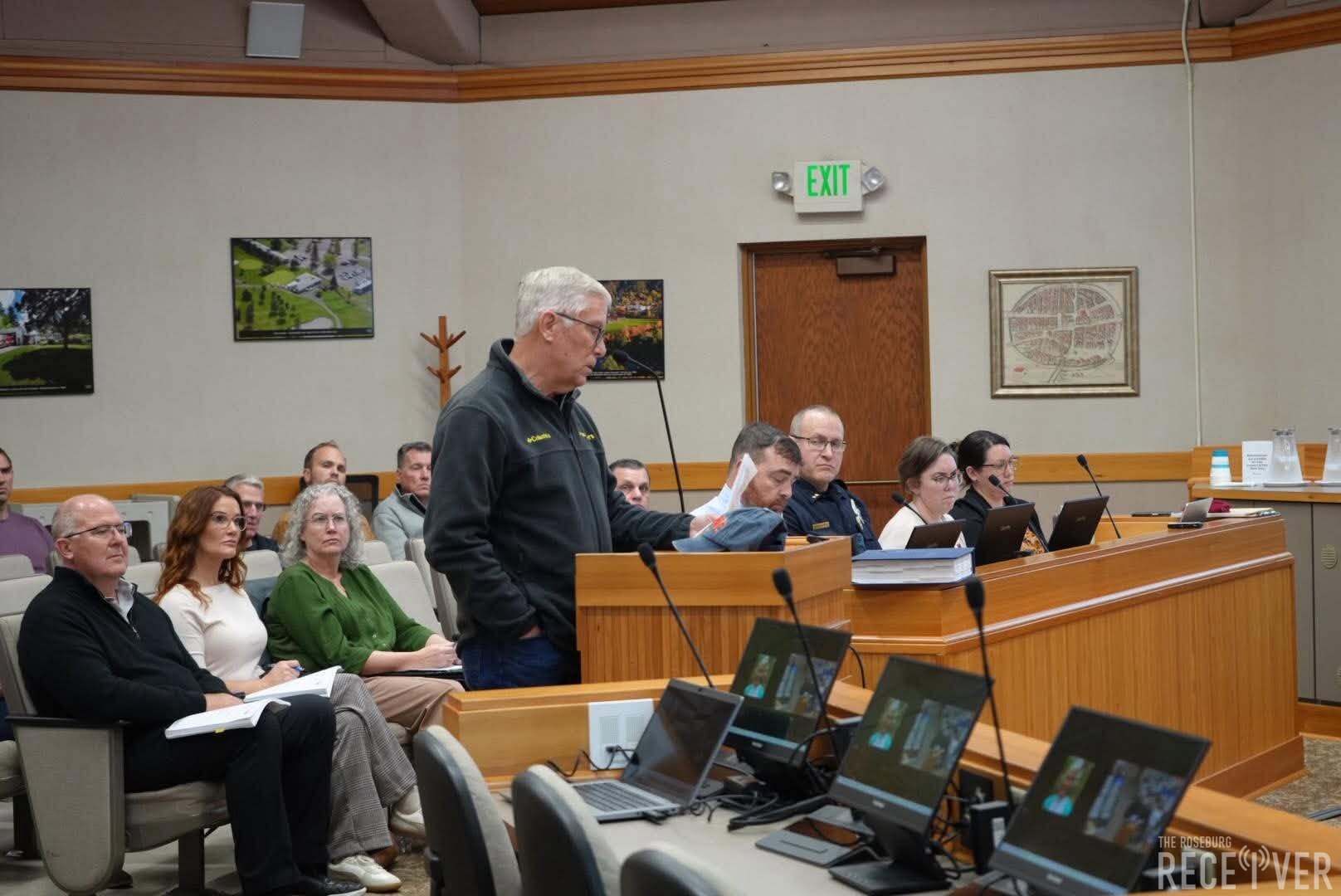
Wigstrom acknowledged that privacy concerns deserve consideration but pointed to Oregon Senate Bill 1516, which establishes statewide requirements for automated license plate recognition technology.
He argued that the cameras provide officers with an important tool for identifying stolen vehicles, investigating crimes and locating missing people. He also emphasized that supporting the technology should not mean abandoning accountability.
Jim Titus, who has previously addressed the council about Flock, again urged councilors to discontinue the program.
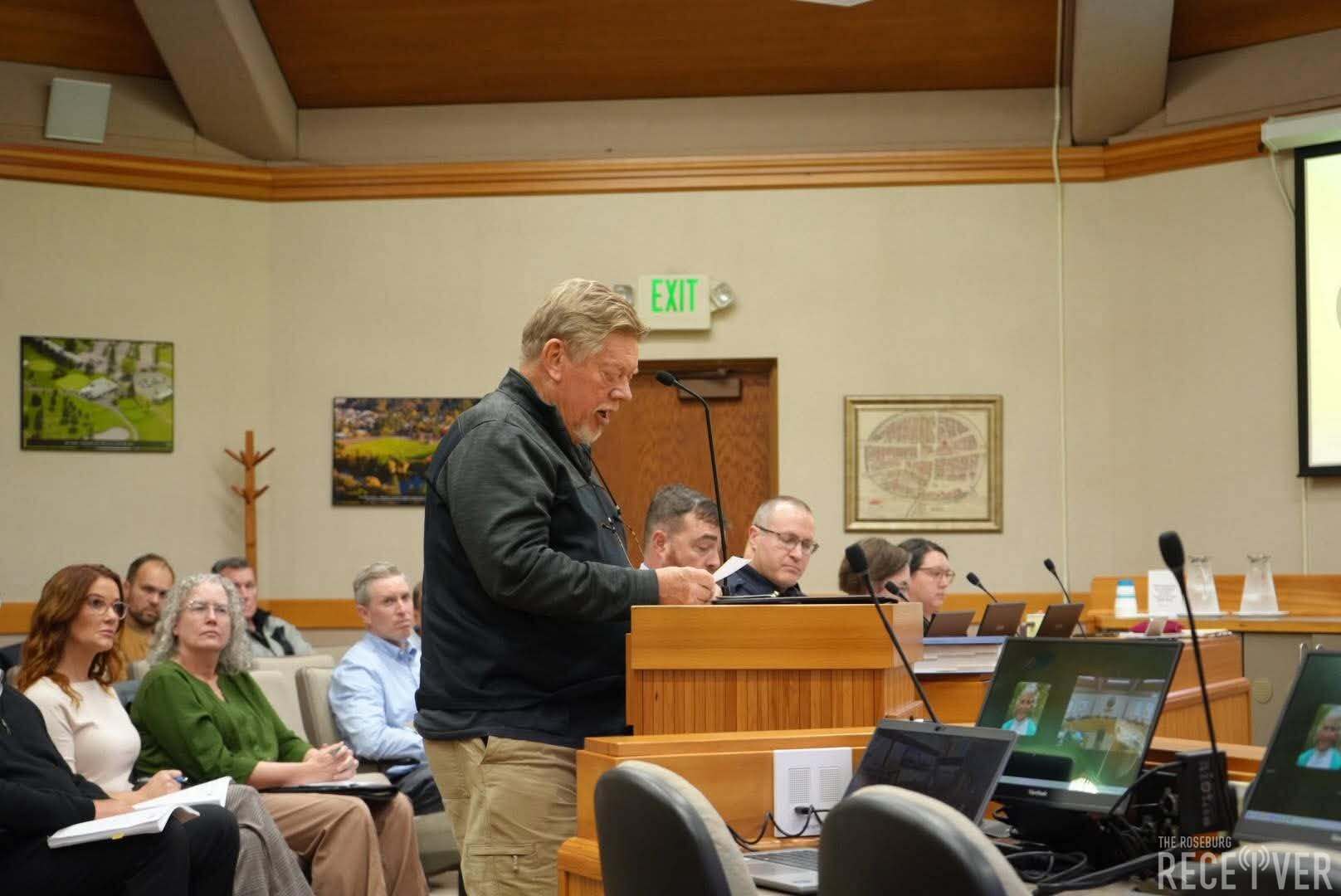
Titus questioned whether automated license plate readers have demonstrated meaningful reductions in crime and argued that collecting information from passing vehicles creates privacy risks for people who are not suspected of wrongdoing.
He also raised concerns about potential misuse, inaccurate matches and the possibility of collected information revealing people's movements over time.
Other residents expressed similar concerns, questioning whether a system designed to assist criminal investigations could eventually be used for purposes beyond those currently authorized.
One speaker described the difference between information people voluntarily share through phones or commercial services and information collected automatically while driving on public streets.
The speaker argued that residents can choose whether to use certain consumer technologies but cannot reasonably avoid public roads equipped with license plate cameras.
Another resident, Laura Long, focused much of her testimony on the technology provider itself.
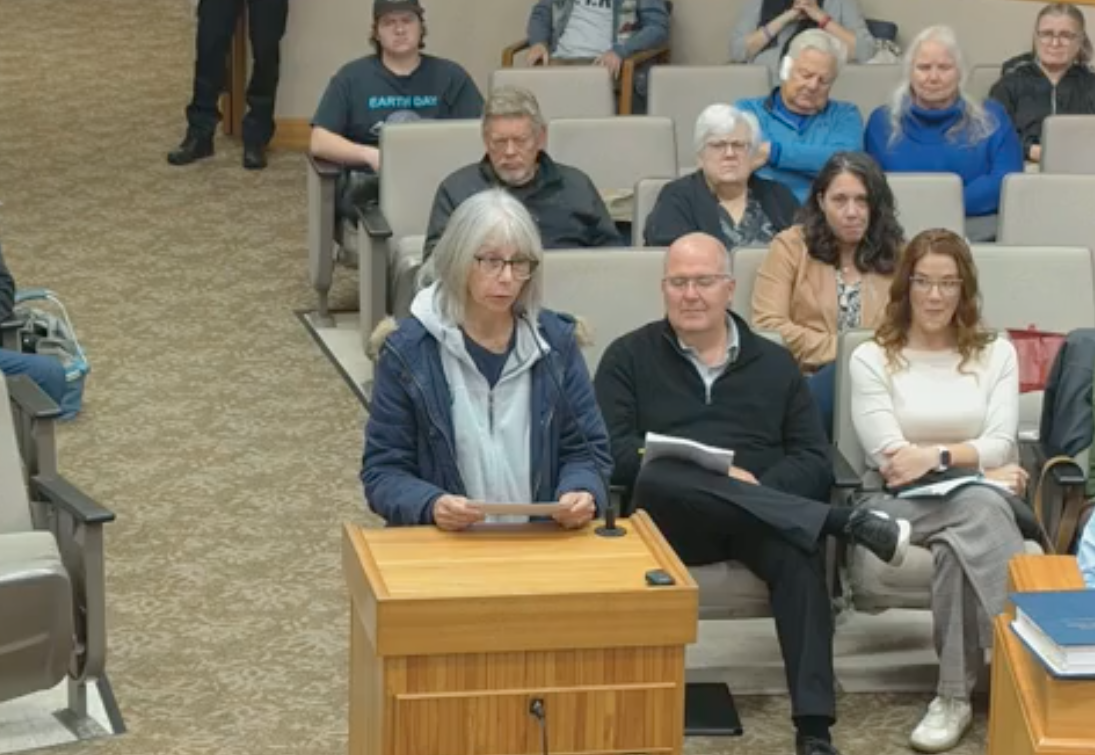
Long said her concerns were less about intentional misuse by Roseburg police officers and more about what Flock Safety, as a private company, might be able to do with the information collected through its systems.
She also questioned whether additional investment in police staffing would be a more effective way to improve public safety.
Other speakers raised questions about the cost of the cameras, the transparency of data sharing, and whether residents should have a greater opportunity to participate in decisions involving surveillance technology.
Some also suggested that the city consider a broader public discussion or community assembly before making long-term decisions about the system.
The testimony reflected differing opinions among those who attended and spoke at the meeting, although public comments alone do not establish how the broader Roseburg community feels about the cameras.
Police Chief Explains How Roseburg Uses the Cameras
Roseburg Police Chief Gary Klopfenstein answered additional questions from councilors Monday evening, including questions about what types of information can trigger an alert and whether the system can be used for traffic enforcement.
Klopfenstein explained that the city's cameras are not configured to generate alerts for routine traffic violations.
He said alerts are directed to Douglas County Dispatch, which then notifies officers when a vehicle associated with certain law enforcement databases is detected.
Examples include stolen vehicles, missing person cases and Amber Alerts.
When asked whether the cameras could identify unregistered or uninsured vehicles, Klopfenstein said Roseburg's system is not configured to generate those types of alerts.
He also explained that the city's contract does not automatically change when Flock develops or offers additional technology. Changes to the services provided would require city approval.
The department has previously told councilors that the cameras capture still images of vehicles and license plates, along with information such as vehicle characteristics, time and location.
The cameras do not use facial recognition to identify drivers and are not used to issue speeding tickets or other routine traffic citations.
According to information provided during previous council meetings, captured information is generally retained for 30 days before deletion unless preserved for an authorized investigation or court proceeding.
City officials have also said that access to the system is restricted, searches must be associated with legitimate law enforcement purposes, and activity is subject to auditing requirements.
The city currently operates 15 cameras at major entry and exit points, rather than throughout residential neighborhoods.
The existing contract covers 2026 through 2028 at a total cost of $75,000, funded through the police department's budget.
Councilors Weigh Public Safety Against Privacy Concerns
Councilor Zack Weiss raised concerns about the long-term implications of allowing technology to collect information about residents' movements.
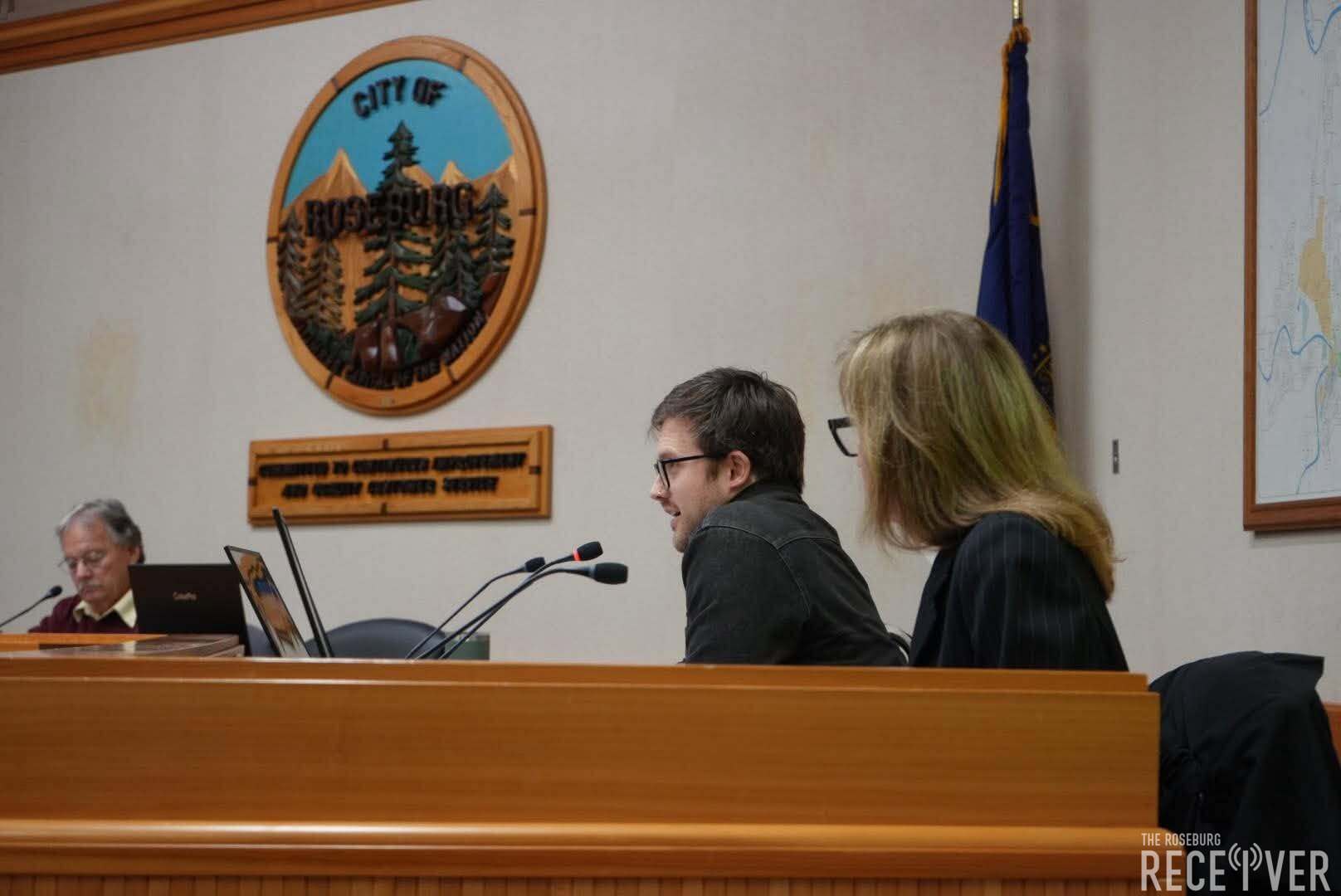
Weiss said he does not view privacy and public safety as entirely separate issues, arguing that protecting personal information is itself a component of keeping people safe.
He acknowledged that the cameras can provide useful information to law enforcement but questioned what widespread acceptance of the technology could mean for future generations.
His concerns focused not only on how the cameras are being used today, but on how future policies and technologies might change their use.
Councilor Tom Michalek spoke in support of keeping the cameras, citing conversations he has had with residents and the safeguards established under state law.
Michalek said most of the people he had personally spoken with supported the cameras. He also noted that other technologies, including smartphones and consumer devices, collect information about people's activities.
He argued that Roseburg's cameras provide valuable assistance to officers while operating under rules intended to protect against misuse.
Michalek also questioned the chief about the types of alerts the police department receives and the limitations of the city's existing contract.
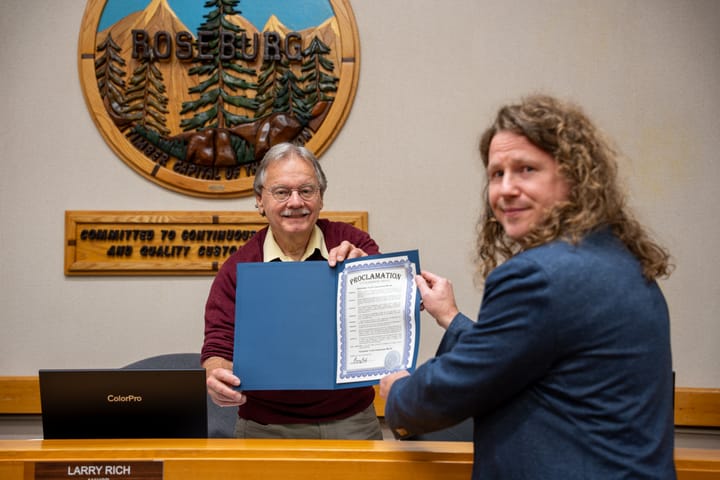
Mayor Larry Rich expressed support for retaining the system, pointing to investigations in which the cameras had assisted law enforcement.
One example involved an investigation into ATM thefts connected to suspects traveling through Oregon. Rich said information collected through the cameras helped investigators identify vehicles associated with the case.
Rich also referenced a kidnapping investigation involving a girl from the Sunshine Park Apartments area in Roseburg. He described how information from the camera system helped law enforcement track the vehicle involved and coordinate with agencies in Washington.
For Rich, the examples demonstrated the value of keeping investigative tools available to local officers.
Councilor Suggests Middle Ground With Additional Safeguards
Councilor Ellen Porter took a different approach, acknowledging the system's usefulness while expressing concern about leaving its future operation entirely to administrative discretion.
Porter said she trusts Klopfenstein and the Roseburg Police Department and recognizes that the cameras can be especially helpful when the department is short-staffed.
However, she questioned whether additional local protections could address public concerns without requiring the city to discontinue the cameras.
One of her concerns involved how much discretion exists over enabling additional features or capabilities.
Porter also raised questions about the data stored through Amazon Web Services GovCloud, including whether information is permanently deleted after the stated retention period and what access the vendor might retain.
She thanked residents who had submitted detailed written comments and encouraged councilors to consider suggestions for additional oversight.
Rather than choosing between eliminating the system and maintaining it without changes, Porter suggested exploring local rules that would allow the police department to retain the technology while addressing concerns about privacy and accountability.
Councilors Discuss State Law and Data Security
Council President Andrea Zielinski spoke about the city's efforts to maintain public safety and the challenges of recruiting police officers.
Responding to public comments about the department's staffing levels, Zielinski said the city supports hiring additional officers but that recruitment, training and probationary requirements make it difficult to maintain a full staff.
She emphasized that the city's lower staffing levels should not be interpreted as a decision by the council to deny the police department additional personnel.
Zielinski also discussed Oregon's requirements for automated license plate recognition systems, saying she believes the legislation provides meaningful safeguards.
She referenced the use of AWS GovCloud to store collected information and described encryption and data deletion measures intended to protect the information.
Zielinski said her understanding was that information deleted through the system becomes inaccessible through a process known as cryptographic shredding.
Porter had earlier questioned whether the data was completely deleted after 30 days. The council discussion did not include an independent technical demonstration of the deletion process, leaving those competing descriptions as part of the public record.
Zielinski also encouraged residents to review information made available on the city's website about the police department's use of the system, including reporting and auditing information.
How the Issue Reached Monday's Vote
Roseburg first authorized the installation and use of Flock cameras in March 2023.
The system returned to the City Council for discussion October 12, 2026, following public concerns about privacy, government surveillance and the use of automated license plate readers.
During that meeting, councilors received a presentation about how the system operates and the restrictions governing its use.
Seven members of the public addressed the council on the issue. Following discussion, Councilor Weiss moved to temporarily suspend the Flock contract pending additional information, but the motion failed to receive a second.
The council instead voted to continue the discussion at its next meeting.
On October 26, the council reviewed additional information about the system, including state law, data storage and the city's contract with Flock Safety.
Eight members of the public addressed councilors during that meeting, with most expressing opposition to the system and one supporting continued use with additional safeguards.
Briggs Loosley then introduced a motion to maintain the current contract, which Zielinski seconded.
Before voting on that motion, councilors agreed 5-2 to postpone the decision until November 9 to allow more time to review legal materials and public comments.
The council resumed consideration of that same motion Monday evening.
Council Votes 6-2 to Keep Existing System
After councilors finished their discussion, Mayor Rich called for a vote on the pending motion to keep the Flock cameras as they currently operate.
The motion passed 6-2, with Councilors Zack Weiss and Ellen Porter voting against it. Councilors Tom Michalek, Ruth Smith, Jason Tate, Andrea Zielinski, Katie Williams and Shelley Briggs Loosley voted in favor.
Weiss had expressed concerns about the long-term implications of surveillance technology, particularly how its use could evolve over time.
Porter acknowledged the cameras' value to law enforcement but argued that the city should consider additional safeguards to address residents' concerns about privacy, data retention and oversight.
The vote maintains the city's existing system, including its current cameras and contract, without adopting additional local restrictions as part of the decision.
Although councilors disagreed about whether further safeguards were necessary, several acknowledged the usefulness of the technology in criminal investigations and the importance of addressing residents' concerns.
For residents who support the cameras, Monday's decision means Roseburg police will retain an investigative tool that city officials say has helped solve crimes and locate people in danger.
For residents who oppose the cameras, the vote leaves unresolved their broader concerns about privacy, data collection and the future use of surveillance technology.
The decision concludes the postponed motion, although it does not prevent the City Council from revisiting related policies or oversight requirements at a future meeting.
The Roseburg Receiver attended the November 9 meeting. This report is based on the council discussion, public testimony, and city meeting materials.
Comments ()