
Roseburg City Council to Revisit Flock Cameras Monday as New Details Emerge About Data Storage, AI, and Privacy
The Roseburg City Council will revisit Flock cameras Monday as new information addresses data storage, AI training, security, federal access, and contract costs. Winston Police Department also plans to end its agreement with Flock.
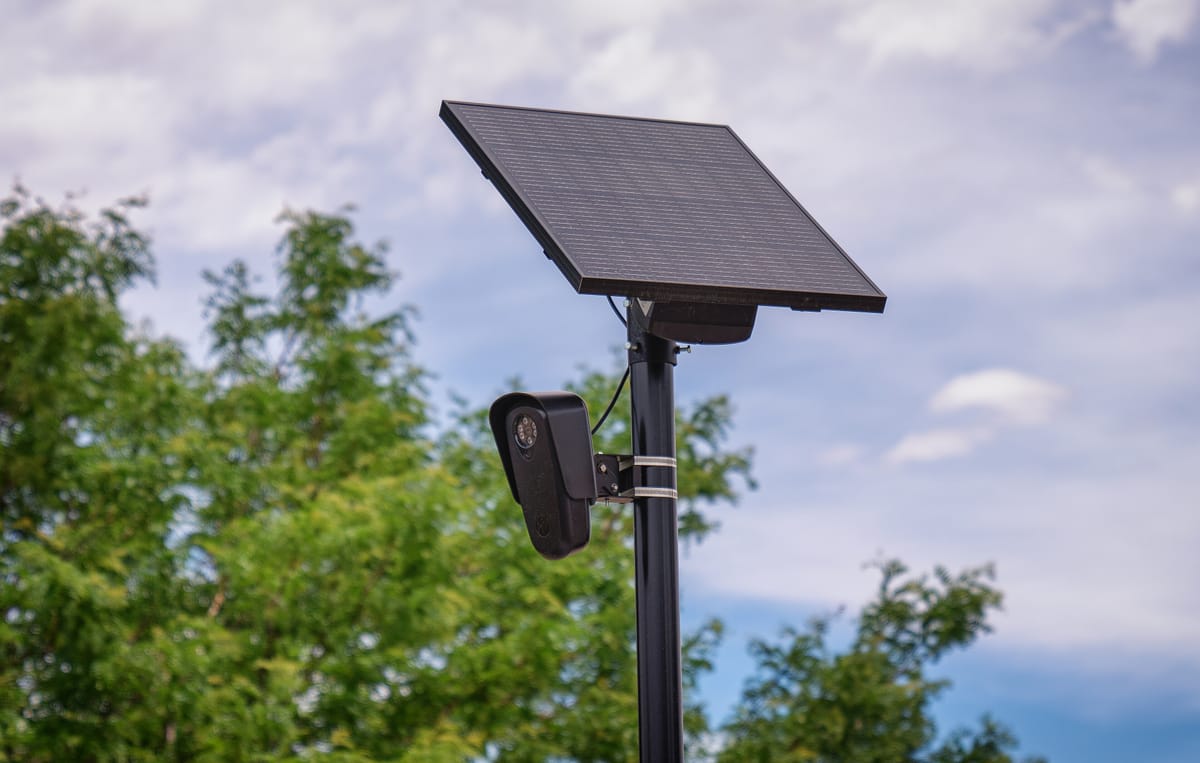
ROSEBURG, Ore. - The Roseburg City Council will revisit its use of Flock Safety license plate recognition cameras Monday, Oct. 26, as newly released information addresses questions about data storage, artificial intelligence, security, government access, and the City's ongoing contract with the company.
The discussion follows the council's Oct. 12 meeting, when city officials presented information about the camera system and councilors requested additional answers from Flock Safety. Those responses are included in the agenda packet for Monday's meeting.
The City currently operates 15 Flock cameras under a two-year, $75,000 contract that expires Feb. 20, 2028.
Although the issue has generated public debate over privacy and surveillance, Monday's agenda lists the discussion as informational. No vote on whether to continue or terminate the contract is scheduled.
Where Roseburg's Camera Data Is Stored
One of the questions raised by councilors concerned where information collected by the cameras is physically stored.
According to Flock Safety's response, camera data is transmitted to Amazon Web Services cloud infrastructure located in the United States. The company uses a combination of commercial AWS infrastructure and AWS GovCloud services, including systems designed for criminal justice information.
The data is encrypted during transmission and while stored, according to Flock.
The company also confirmed that Roseburg's camera database is not stored on servers owned by the City or Douglas County. Individual cameras may temporarily hold information while capturing and transmitting it, but the primary storage and processing occur through Flock's cloud-based system.
Flock says Roseburg retains ownership of the information collected through its cameras. However, the City's agreement grants the company limited rights to use that information to provide its services and improve its products.
The company says it is prohibited from selling customer data.
Artificial Intelligence and Use of Camera Images
Councilors also asked whether information collected in Roseburg could be used to train Flock's artificial intelligence models.
Flock responded that its license plate recognition policy allows the company to use less than 1% of collected license plate recognition images for machine learning purposes. According to the company, identifying information and metadata are removed from those images before they are used.
The company says this process helps improve recognition accuracy and the identification of vehicle characteristics.
However, Flock's response also acknowledges that its customer agreement contains broader language permitting the use of data to improve the company's products and services.
The response does not establish that identifiable images or metadata collected in Roseburg are being used to train the company's plain-language search technology.
Flock stated that if Roseburg wanted to explicitly prohibit any use of City-derived data for artificial intelligence training, that restriction would need to be established through a written contract amendment or special agreement.
Questions About Camera Security and Data Deletion
The City's questions also addressed the operating systems used by the cameras, software updates, and how the City can verify that information has been permanently deleted.
Flock confirmed that its cameras run a customized version of the Android operating system and that software and firmware updates are managed remotely.
However, the company did not provide the exact operating system versions, firmware builds, or dates of the most recent security updates for Roseburg's cameras.
Flock said that information would require a current inventory and technical report for the City's equipment.
Regarding data deletion, Flock referred to Amazon Web Services documentation explaining that permanently deleted cloud storage objects cannot be recovered.
The response explains the technical capabilities of AWS deletion systems but does not provide an independent audit or verification showing that specific Roseburg records have been deleted.
Under the City's agreement, Flock must delete certain confidential information within 90 days following termination when requested by the City, subject to exceptions for legally required retention and other applicable provisions.
Federal Requests and Data Sharing
Another question focused on what would happen if a federal agency served Flock Safety with a subpoena, warrant, or court order seeking information collected by Roseburg's cameras.
According to Flock, contractual provisions specific to Oregon law enforcement customers require requests for captured license plate data to be directed to the customer rather than handled independently by the company.
Flock's published policy also states that affected customers will be notified when their data is sought and generally given an opportunity to challenge the request.
The responses also address whether other law enforcement agencies can search Roseburg's camera information.
Flock stated that its National Lookup Tool is not available to Oregon customers because of state law.
Additionally, the option allowing access through a statewide network is disabled for Roseburg. According to the company, other agencies in Oregon must specifically request permission to share or access Roseburg's information.
Winston Plans to End Its Flock Contract
The agenda packet also provides an update on how other Douglas County law enforcement agencies are approaching their agreements with Flock Safety.
According to information gathered by City staff, the Douglas County Sheriff's Office, Sutherlin Police Department, and Myrtle Creek Police Department are currently under contract with Flock and have no plans to cancel their agreements when those contracts expire.
Winston Police Department, however, advised Roseburg officials that it does not intend to renew its Flock contract.
The department cited budgetary reasons for the decision.
The packet does not identify privacy concerns or other objections as factors in Winston's decision.
Roseburg's Contract Costs $37,500 Annually
Roseburg's current agreement covers 15 cameras at an annual cost of $2,500 per camera.
That brings the City's annual expense to $37,500, or $75,000 over the two-year contract.
Funding for the cameras is included in the Police Department's materials and services budget for the 2026-27 fiscal year.
The council initially authorized the police chief to move forward with a Flock agreement on March 13, 2023.
The current contract runs through Feb. 20, 2028.
Flock's responses also address what would happen if the company were sold, merged with another business, or entered bankruptcy.
According to the company, the agreement may be transferred as part of certain corporate transactions, but the City would retain ownership of its data. Flock also stated that Roseburg's existing agreement cannot be changed without the City's consent.
Public Concerns Continue
The use of Flock cameras has drawn comments from residents at recent City Council meetings.
During the Sept. 28 meeting, four members of the public spoke about the system and urged councilors to cancel the contract and remove the cameras.
According to the meeting minutes, speakers raised concerns about Fourth Amendment protections, personal privacy, potential misidentification, misuse of collected information, and possible immigration enforcement implications.
Supporters of automatic license plate recognition technology point to its potential value in identifying stolen vehicles and assisting law enforcement investigations. Privacy concerns center on how information about vehicle movements is collected, retained, accessed, and shared.
Monday's additional information is intended to help councilors better understand the system's technical operations, contractual protections, and limitations.
What Happens Monday?
The Flock cameras are listed under department items on the Oct. 26 council agenda, with Police Chief Gary Klopfenstein identified as the staff contact.
City staff has not recommended a particular action, and the agenda does not include a proposed motion to cancel, renew, or modify the City's agreement.
Instead, councilors are expected to review the additional information and ask questions about Roseburg's continued use of the technology.
The Roseburg City Council meeting begins at 7 p.m. Monday, Oct. 26, in the City Council Chambers at City Hall, 900 SE Douglas Ave.
Residents can attend in person or watch through the City's website or Facebook page. Those wishing to participate virtually must contact the City Recorder's Office by noon Monday to request access.
The complete agenda packet, including Flock's responses and copies of the City's agreements, is available on the City of Roseburg's website.


Comments ()