
Restoring Rock Creek: How Viceroy & Skipper Is Rebuilding Glide’s Riparian Future
Hailey Blalock of "Viceroy & Skipper" is restoring Rock Creek in Glide by planting thousands of native trees after the Archie Creek Fire. The effort aims to cool streams for salmon, rebuild habitat, and help Douglas County residents rethink their own landscapes.
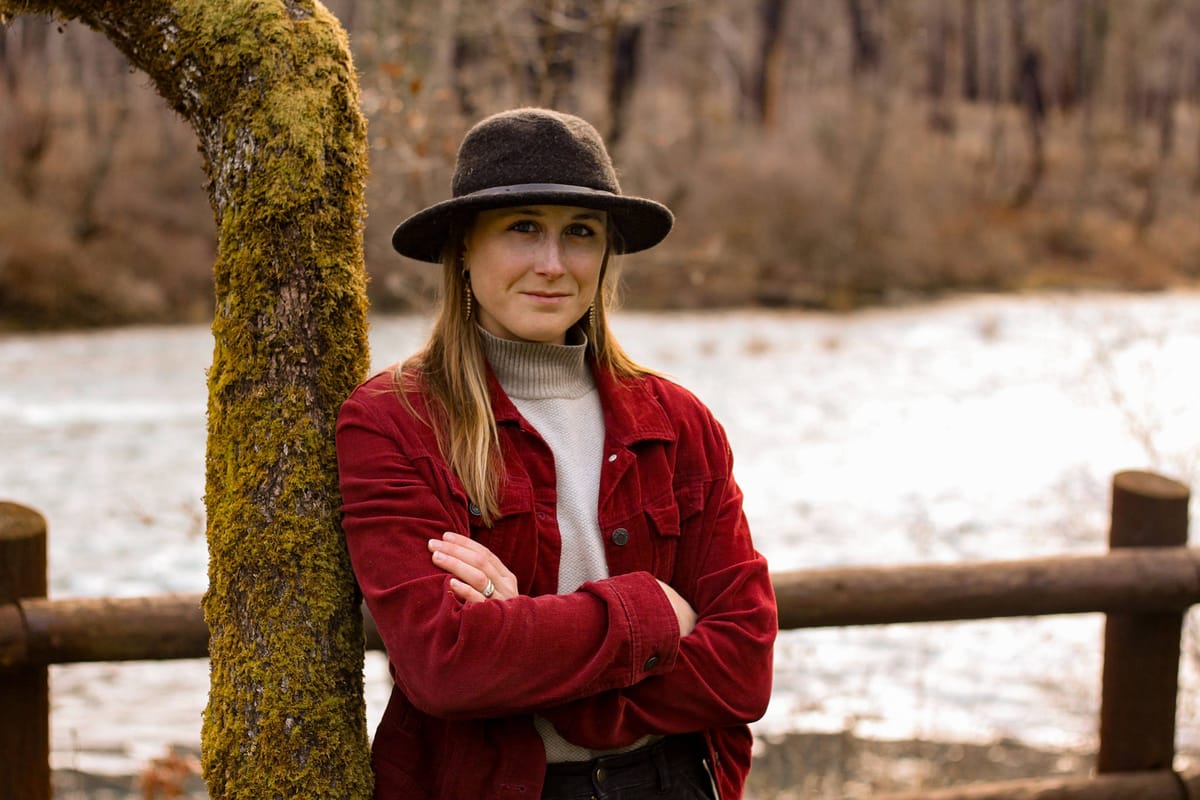
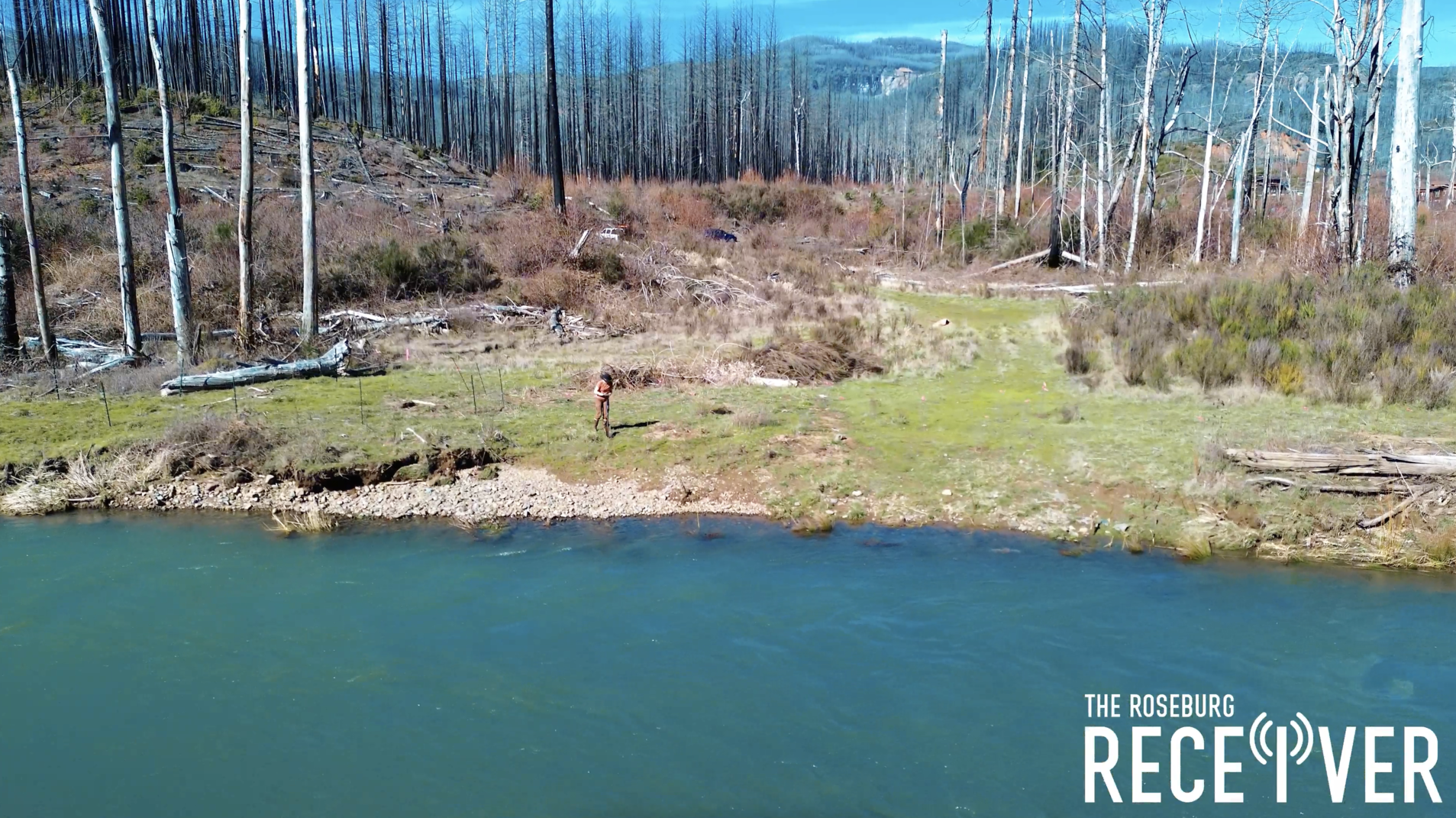
GLIDE, Ore. — Along the banks of Rock Creek, the ground is open, the sun is strong, and rows of young trees are going back into the soil.
Watch the video below!
Leading the effort is Hailey Blalock, founder of Viceroy & Skipper, a Douglas County business focused on native landscape design, consulting, and environmental restoration. The work underway in Glide is about more than planting trees. It is about restoring balance after wildfire, cooling streams for salmon, rebuilding habitat, and rethinking how landscapes function, from riverbanks to residential backyards.
“We are at Rock Creek in Glide, Oregon, and I’m planting native plants along Rock Creek to restore the riparian zone that was damaged through the Archie Creek fire in 2020,” Blalock said.
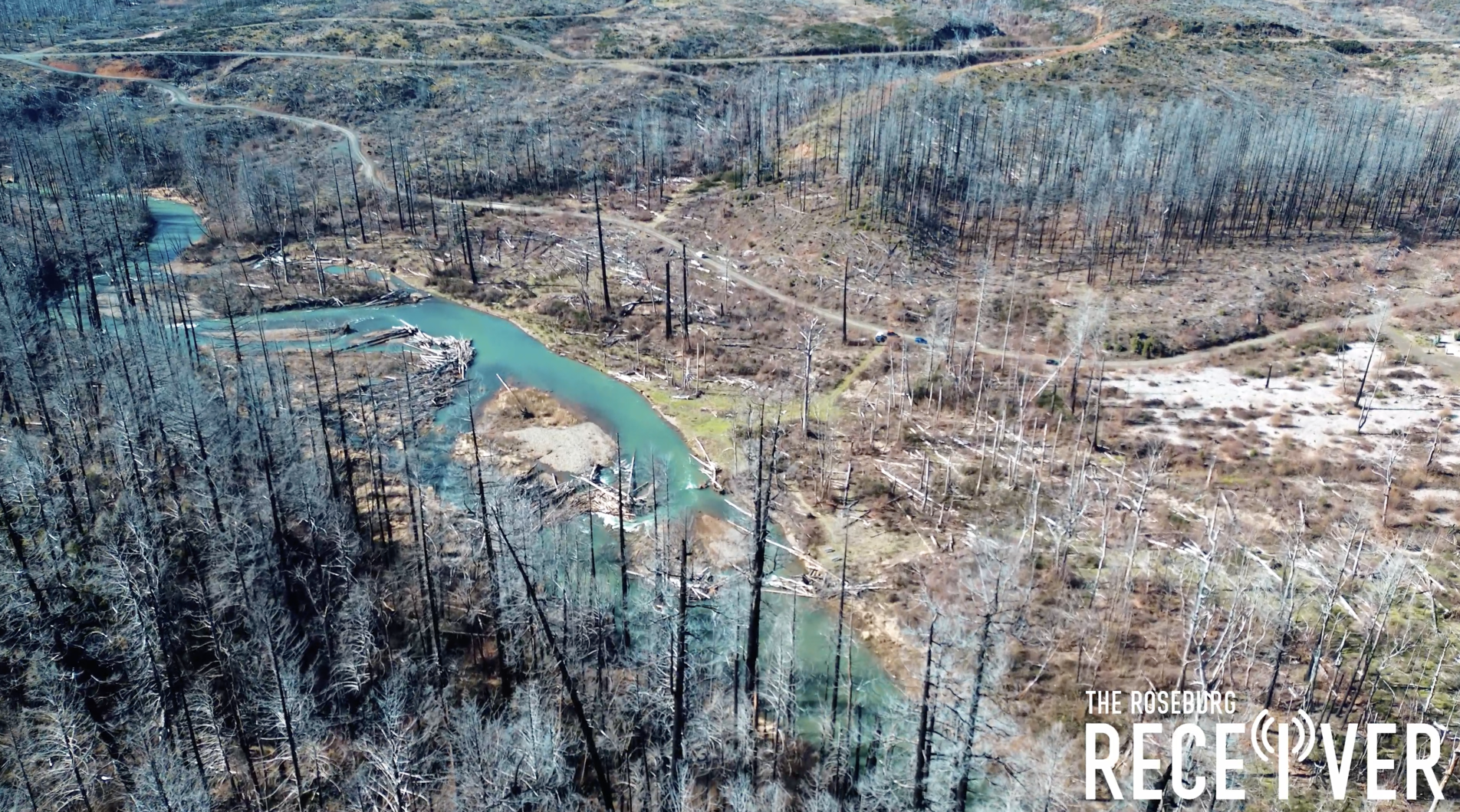
The 2020 Archie Creek Fire burned through large swaths of timber along Rock Creek, removing shade that once kept stream temperatures stable. Without tree cover, exposed waterways absorb heat. For cold water species like salmon, even small temperature increases can have serious consequences.
“Planting native plants along a riverbed will regrow the riparian zone, which will lower the temperature in the water, and it makes it more suitable for our stream aquatic life, like salmon,” she said.
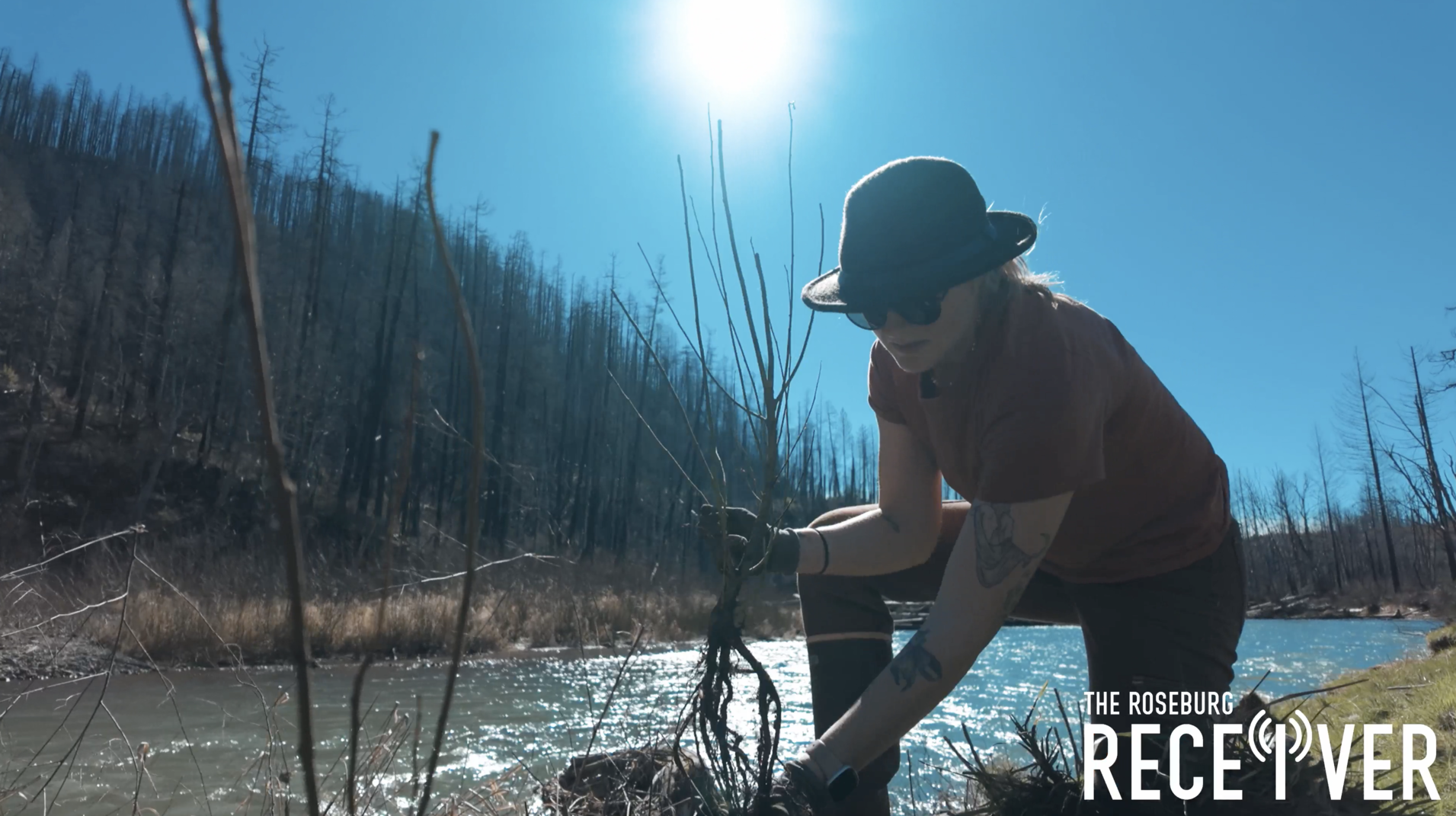
So far, the numbers are substantial. Blalock and her team have planted 250 cottonwoods and more than 2,000 willows along the creek. On the day of filming, they were adding bare root stock to the effort.
The scale is intentional. Beaver activity and wildlife browsing mean not every tree will survive. The goal is density, resilience, and long term canopy.
“We need to add a lot of plants out here to ensure that at least some of them grow,” she said.
One Big Ecological Cycle
Blalock describes native ecosystems as interconnected systems, where even the smallest plant plays a role.
“Native plants, even the small ones, the large ones, they all do something for each other. They attract a pollinator, they provide habitat and food resources for native bird species. We have mammal species that are so unique to this area. It’s all just one big ecological cycle,” she said.
That philosophy shapes both her restoration projects and her business model.
Viceroy & Skipper provides landscape consulting, native plant design, installation, and education services. Blalock works with clients to identify goals, site conditions, and long term maintenance expectations. She also hopes to expand further into vegetable and fruit garden design and coaching, helping residents who want a garden but do not know where to start.
Native landscaping differs from traditional landscaping in both philosophy and inputs.
“Native plants are drought tolerant to this area. They don’t need fertilizers. They need minimal maintenance once they’re established,” Blalock said.
For busy homeowners, that can mean less water use, fewer chemicals, and less ongoing labor. It can also mean landscapes that look and function more like the surrounding hillsides and forests of Douglas County.
From Data Collection to Direct Impact
Blalock’s path into this work began in wildlife and fisheries biology. She worked with animal and plant species across the country, from South Carolina to Oregon. But seasonal positions and a focus on data collection left her wanting something more tangible.
“I wasn’t really helping. I was just collecting data,” she said.
She wanted work that directly improved habitat and ecosystems.
“I want to do something that is actually impacting the areas that need it, that will help all these animals, that will help these pollinators, will help all of us at the end of the day,” she said.
For her, the mission is generational.
“It’s not really for me. It’s for the future generations. It’s for my children, your children, and so on and so forth, where they’ll always have somewhere to go explore,” she said.
What She Is Seeing This Season
Blalock is also paying close attention to climate patterns.
She has observed warmer winter conditions, less rain, earlier bug hatches, early budding fruit trees, and early flowering species. Those shifts can create ripple effects for pollinators and crops. Less winter rain could mean a drier summer, increasing irrigation needs and wildfire risk.
She encourages homeowners to think about defensible space, drought resilience, and the long term health of their properties.
What Would Change in Douglas County
Blalock believes widespread adoption of native landscapes would do more than conserve water.
“My theory is people will be a lot happier,” she said.
She points to the North Umpqua’s large butterfly hatches, migratory birds like hummingbirds, and the broader sense of connection people feel when they spend time outdoors.
“What’s stopping us from creating that in our backyards?” she said.
She believes native landscaping could contribute to cleaner water, cooler streams for salmon, cleaner air, and more time for homeowners who are no longer tied to intensive lawn maintenance.
Getting Started
For residents interested in supporting native landscapes, Blalock recommends starting with community connections and education. She points to local native plant advocates and Oregon State University Extension resources for research based guidance.
For beginners, even converting a small patch of lawn into bare soil and planting native seeds in the fall can be a starting point.
“If you’re someone who wants to make a difference, wants to make an impact in their lives and in their communities, or you’re somebody who is eager to learn about plants and wants to know more about ecology, then I’m your girl, and you need to call me,” she said.
Along Rock Creek, the work continues. Cottonwoods and willows now stand where ash and heat once dominated. The goal is simple but long term: shade the water, cool the creek, rebuild habitat, and restore a system that supports salmon, birds, mammals, pollinators, and people.
In Glide, restoration is not abstract. It is planted one tree at a time.
Contacting Hailey Blalock, Viceroy & Skipper:

Comments ()