
Oregon Expands Building Code Options To Allow More Four-Unit Housing Developments
Oregon has approved a new building code option allowing qualifying residential buildings to contain up to four dwelling units, providing greater design flexibility for smaller multifamily housing projects statewide.
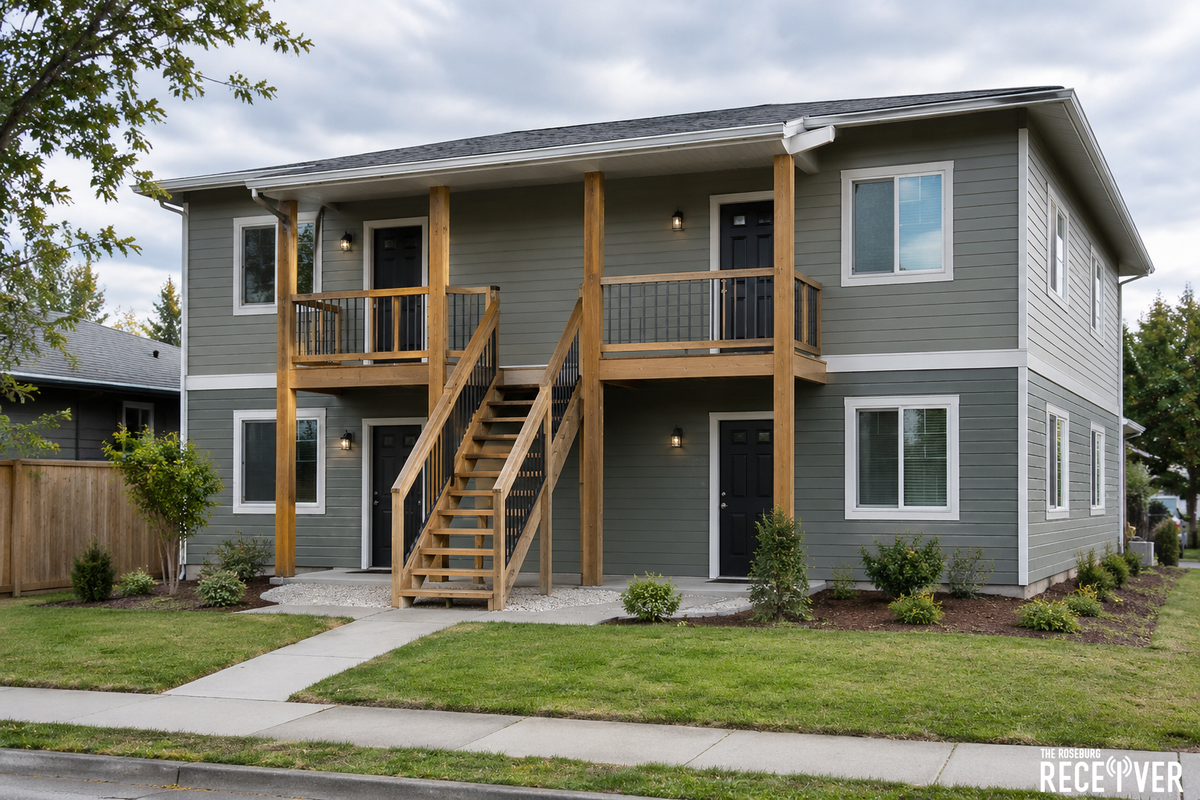
SALEM, Ore. - Oregon has approved a new building code option that could make it easier for developers and property owners to construct smaller multifamily housing projects, including buildings with up to four residential units.
The Oregon Building Codes Division announced the change Thursday, November 19, as part of the state's ongoing efforts to increase housing production and provide greater flexibility in residential construction.
The decision expands the types of residential buildings that can qualify under Group R-3 of the Oregon Structural Specialty Code (OSSC). Under the new statewide alternate method, qualifying buildings can contain up to four separate dwelling units, compared with the two-unit limit that generally applies under the existing Group R-3 provisions.
The change provides another design option for builders interested in developing smaller residential properties without relying exclusively on other multifamily building classifications.
“This new housing design option allows us to further promote simplified approaches, greater design flexibility, and increased housing production in support of the governor’s housing goals and initiatives,” said Todd Smith, administrator of the Oregon Building Codes Division.
What the New Rules Allow
The expanded building code option comes with several restrictions intended to define which types of residential projects qualify.
Under the new provisions:
- Buildings may contain a maximum of four independent dwelling units.
- Structures cannot exceed three stories or 35 feet in height.
- Total building area cannot exceed 7,000 square feet.
- Mixed-use occupancies are not permitted, with the exception of up to 200 square feet of shared storage or utility space.
- All dwelling units must be intended for residential occupancy.
The alternate method cannot be used for hotels, short-term lodging, or other accommodations intended for temporary stays.
The change specifically applies to buildings governed by the Oregon Structural Specialty Code. It does not replace existing building codes or eliminate other requirements that apply to residential construction.
What This Could Mean for Communities Like Roseburg
Although the decision applies statewide, it could provide another option for housing construction in communities throughout Douglas County, including Roseburg.
Smaller multifamily buildings, such as triplexes and fourplexes, can provide several separate residences within a single structure. The newly approved method gives designers and builders another way to approach certain projects containing three or four units.
However, the building code expansion does not mean four-unit buildings are automatically permitted on every residential property.
Local zoning regulations, land-use approvals, and other applicable development requirements still determine where these buildings can be constructed.
The announcement also does not identify any specific housing developments planned for Roseburg or Douglas County as a result of the change.
Instead, the new provisions establish an additional construction option that developers may consider when planning qualifying residential projects.
State Boards Reviewed the Proposal
The expansion followed a joint meeting of the Building Codes Structures Board and the Residential and Manufactured Structures Board on November 4.
During that meeting, board members reviewed the technical and scientific information supporting the proposed change and approved the findings associated with the expanded building option.
Following that review, Building Codes Division Administrator Todd Smith issued the statewide alternate method, allowing qualifying projects to use the additional design pathway.
The Building Codes Division is responsible for administering Oregon's statewide building codes, which establish construction and safety standards for residential and commercial buildings.
The newly approved option is part of the state's broader effort to support housing development by providing additional flexibility in how residential buildings can be designed and constructed.
Additional information about the statewide alternate method is available through the Oregon Building Codes Division


Comments ()