
ODFW Warns of Increased Bear Activity as Fall Feeding Season Peaks Across Western Oregon
ODFW is warning Western Oregon residents to secure garbage, pet food, and other attractants as black bears enter their peak fall feeding season. A poor mountain berry crop could bring more bears into neighborhoods.

ROSEBURG, Ore. - As temperatures cool and winter approaches, black bears across Western Oregon are spending much of their time searching for food, prompting wildlife officials to remind residents to secure garbage, pet food, and other items that could attract bears to their properties.
The Oregon Department of Fish and Wildlife (ODFW) issued the reminder Monday, October 19, as bears enter one of their most active feeding periods of the year.
The seasonal behavior, known as hyperphagia, occurs when bears dramatically increase their food intake to build up fat reserves before winter. During this period, bears can spend as many as 20 hours a day foraging for food.
The warning is particularly relevant to Douglas County, where black bears inhabit forested areas throughout the Coast Range and Cascade Mountains. Residents living near wooded areas, including rural communities and properties along the edges of developed areas, may encounter bears searching for food.
Wildlife officials say natural food supplies have been limited in parts of Western Oregon this year. A poor mountain berry crop has already pushed some bears toward neighborhoods and other areas where food is easier to find.
That becomes especially concerning during the fall feeding season, when bears are highly motivated to eat and may repeatedly return to locations where they have previously found food.
According to ODFW, bears have an exceptional sense of smell and can detect potential food sources from miles away. Unsecured garbage, bird feeders, pet food, and livestock feed can all attract bears to residential properties.
Once a bear discovers a dependable source of food, it may continue returning to that location. Over time, bears that become accustomed to obtaining food near people can lose their natural wariness, increasing the possibility of dangerous encounters.
Wildlife officials also note that bears have strong memories and can remember reliable feeding locations for years. Female bears can even pass those learned behaviors along to their offspring.
Residents Encouraged to Remove Food Sources
ODFW says most conflicts between people and bears can be prevented by taking precautions around homes and businesses.
Residents are encouraged to follow several basic safety measures:
- Secure garbage and recycling. Use bear-resistant containers or store trash in an enclosed area. Avoid leaving garbage outside overnight before collection.
- Remove bird feeders. Birdseed can attract bears, even when feeders are placed above the ground.
- Keep pet food indoors. Feed pets inside whenever possible and avoid leaving food bowls outdoors.
- Clean outdoor grills. Remove food residue and store grills securely after use.
- Protect livestock and poultry feed. Store animal feed in secure locations where bears cannot access it.
- Never feed or approach bears. Providing food to bears, intentionally or unintentionally, encourages them to associate people with meals.
- Notify neighbors about unusual activity. Repeated daytime sightings or bears showing little fear of people or pets may indicate a developing problem.
Residents who keep backyard chickens are also encouraged to take additional steps to protect their flocks and feed supplies.
ODFW emphasizes that feeding bears is illegal in Oregon under ORS 496.730. The prohibition includes intentionally providing food and certain situations where food is made available to bears.
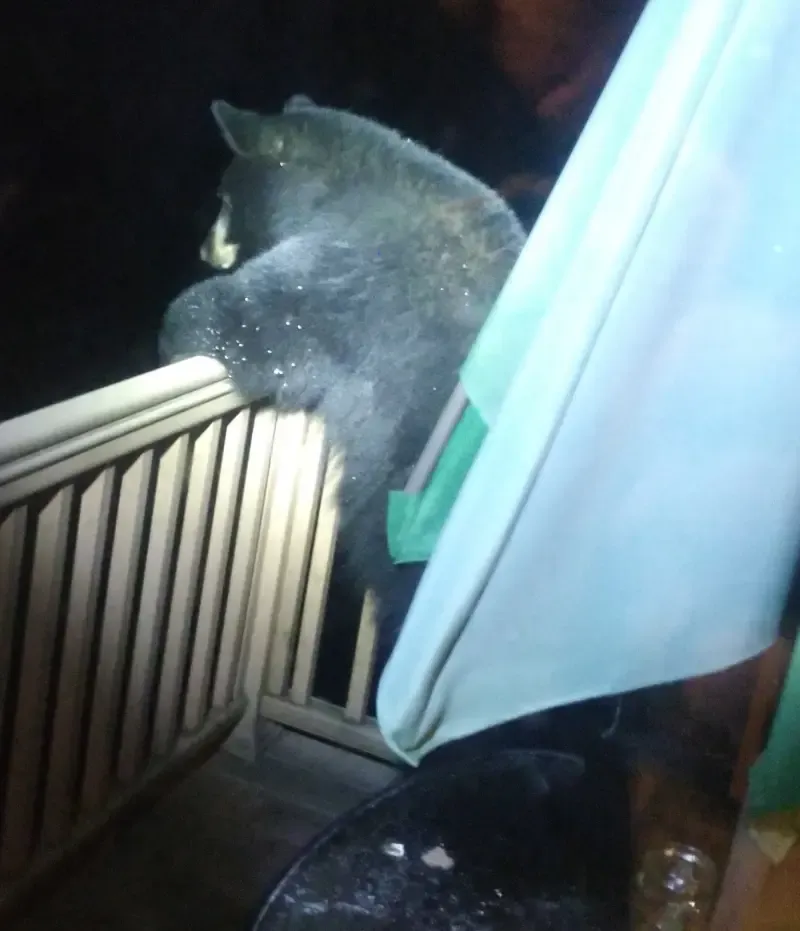
Keeping Bears Wild Protects People and Wildlife
Although black bears are a natural part of Oregon's wildlife, problems can develop when they begin relying on human-provided food instead of natural sources.
Bears that repeatedly enter neighborhoods and become comfortable around people can create safety concerns for residents, pets, and the animals themselves.
In some cases, wildlife officials may have to euthanize bears that become a threat to public safety.
Preventing access to food before bears develop these behaviors is one of the most effective ways to avoid those outcomes.
Residents who experience ongoing conflicts with bears or observe unusual or aggressive behavior are encouraged to contact their local ODFW district office. Immediate concerns involving human safety should be reported to law enforcement.
Additional information about preventing bear encounters is available through ODFW's BearWise safety guidance.



Comments ()