
Motion To Keep Flock Cameras Put On Hold After Roseburg Council Debate
A motion to keep Roseburg’s Flock cameras unchanged was made and seconded Monday, but councilors voted 5–2 to postpone consideration until the next meeting for further review.
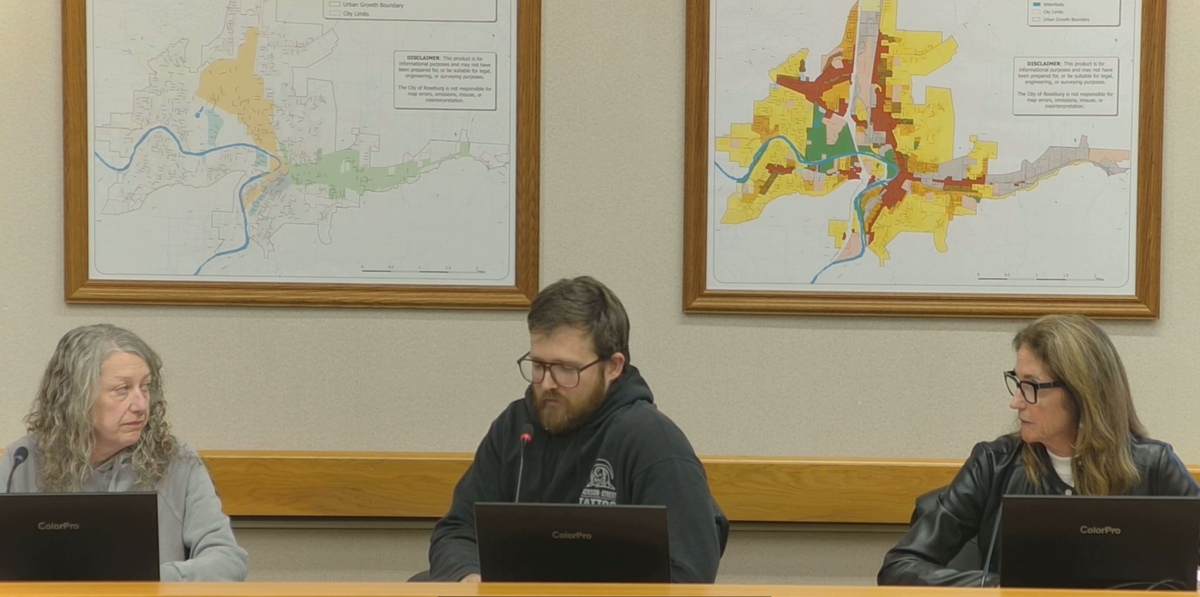
ROSEBURG, Ore. - A motion to keep Roseburg’s Flock license plate cameras “as is” was made and seconded Monday night, but councilors postponed consideration before taking a final vote on whether to retain the system unchanged.
Councilor Shelley Briggs Loosley introduced the motion during a lengthy discussion about public safety, privacy and the city’s use of automated license plate readers. Later in the debate, Councilor Tom Michalek moved to postpone the decision until the next meeting to allow more research.
Mayor Larry Rich announced that the postponement passed 5–2. That vote was on delaying consideration, not on keeping or removing the cameras. Briggs Loosley’s original motion remains pending, and the cameras remain in operation.
The next regular council meeting is scheduled for Nov. 9.
Monday’s discussion included additional information from Police Chief Gary Klopfenstein and another round of public testimony from residents asking the city to cancel its Flock contract. Speakers questioned the collection of vehicle movements, the potential for misuse, data security and whether safeguards would remain adequate as technology changes.
Roseburg operates 15 Flock cameras at an annual service cost of $37,500, according to the agenda packet. Council authorized the program in March 2023.
Klopfenstein defended the cameras as an investigative tool and explained the steps officers must follow to search the system or act on an alert.
He said searches require a crime category and a police case number or dispatch incident number. A Flock alert alone does not justify stopping a vehicle, he said. Officers must confirm the information and establish probable cause.
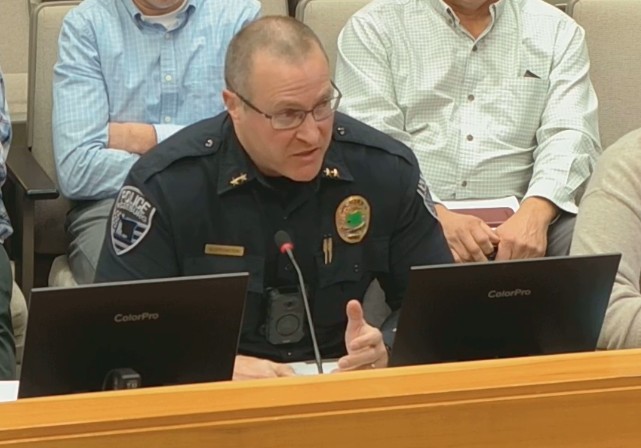
Klopfenstein also said Roseburg has not purchased Flock’s optional AI search feature and that the national lookup tool is unavailable to Oregon customers.
Several council questions focused on what happens to information after a camera collects it. Councilors asked about deletion, backup copies, the use of images to improve Flock’s products and whether agencies sharing data could have search capabilities Roseburg does not.
Councilor Zack Weiss challenged both the use of the cameras and how the debate was being framed. He said constitutional questions were only part of his concern. The larger issue, he argued, was what the city would be accepting as normal and where the technology could lead over the next 10 or 20 years.
Weiss described how each generation can come to accept conditions that earlier generations would have questioned. He warned that introducing a surveillance system now could establish a baseline for future expansion, even if current officials have no plans to broaden its use.
He said his concerns were not limited to who controls the system today. Future officials could have different priorities, and the technology’s capabilities could change.
Weiss also questioned the idea of using surveillance to prevent crimes before they happen, saying that approach carries an assumption of criminality. He said he wants his daughter to grow up with an expectation of innocence as she goes about her life.
During questions to Klopfenstein, Weiss pressed for a distinction between Flock’s optional AI search feature and the image-processing technology already used to identify vehicles and license plates. He also asked about ongoing model training, backup data deletion, and whether agencies sharing Roseburg’s data could use search capabilities the city has not purchased.
When the discussion turned to public safety, Weiss objected to suggestions that questioning Flock meant placing less value on protecting the community. He said his position also reflected concern for public safety, including the longer-term consequences of accepting the technology.
Councilor Ellen Porter said councilors needed more time to examine residents’ concerns before making a decision. She suggested comparing those concerns with existing restrictions and considering whether a local ordinance could address remaining issues while allowing police to continue using the cameras.
Porter asked staff to gather written comments received through city administration, Senate Bill 1516, and the court decision discussed during the meeting into one collection for council review. Council agreed to have the materials compiled.
She also questioned whether councilors had adequately informed themselves to make a decision that evening, saying it would be premature to approve the motion without further review.
Other members emphasized the cameras’ value to police investigations.
Rich supported keeping the system, pointing to local cases described by police, including investigations involving children.
“For me, it’s public safety,” Rich said.
Councilor Katie Williams said she values both privacy and public safety and does not consider license plate readers an invasion of privacy. She rejected treating the two priorities as an either-or choice.
Councilor Andrea Zielinski also spoke in favor of keeping the cameras. She cited state restrictions and local police procedures while saying residents were right to expect transparency and accountability.
Briggs Loosley expressed support for the officers and chief when making her case for retaining the system.
Michalek said people he has spoken with have generally favored the cameras. Although he supported their use, he ultimately moved to delay consideration so councilors could conduct additional research.
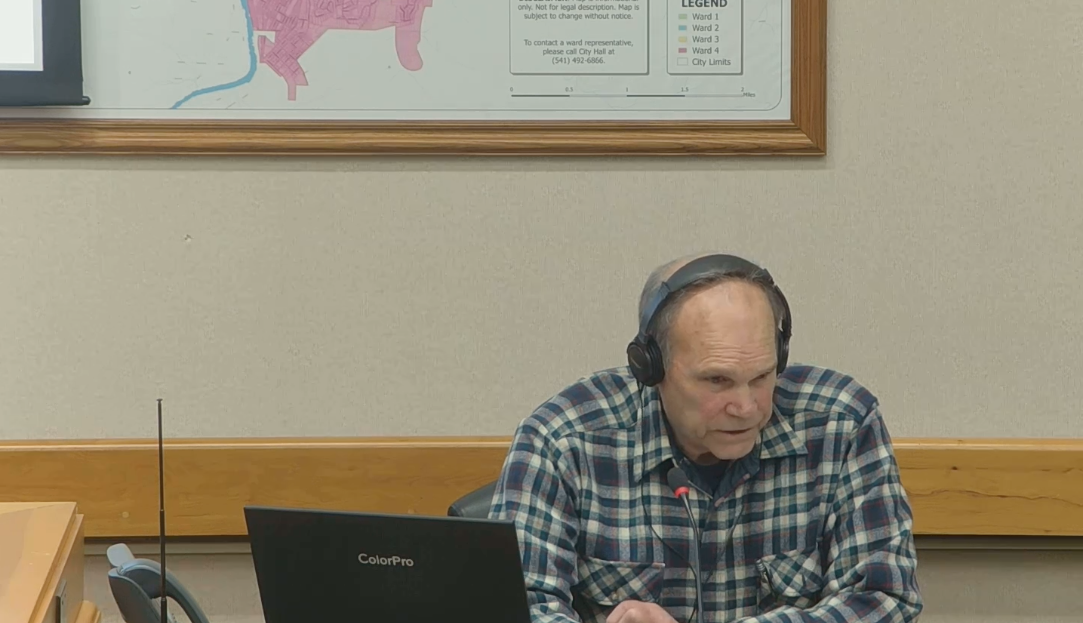
The postponement left the motion to keep Flock unchanged unresolved. Councilors are expected to resume consideration at their next meeting after receiving the additional review materials.


Comments ()