
Adapt Recovery Mentor Max Croxton Helps Others Find Housing, Support and Hope
Adapt recovery mentor Max Croxton draws on more than 30 years in recovery to help people connect with housing, healthcare and support. A profile shared by Adapt highlights his work and the community partnerships helping people rebuild their lives.
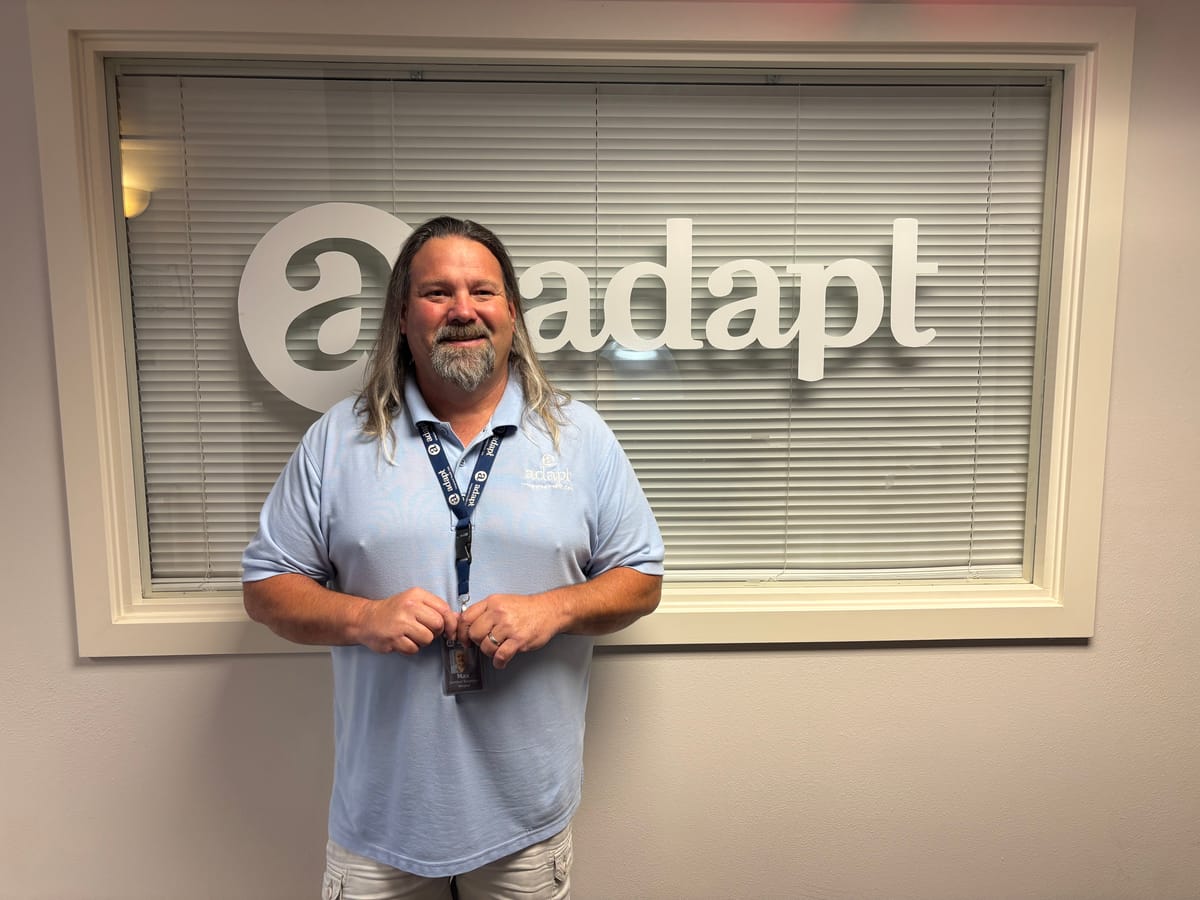
Adapt Integrated Health Care is highlighting the work of certified recovery mentor Max Croxton, sharing how his experience with recovery helps him connect people with housing, healthcare and addiction recovery services.
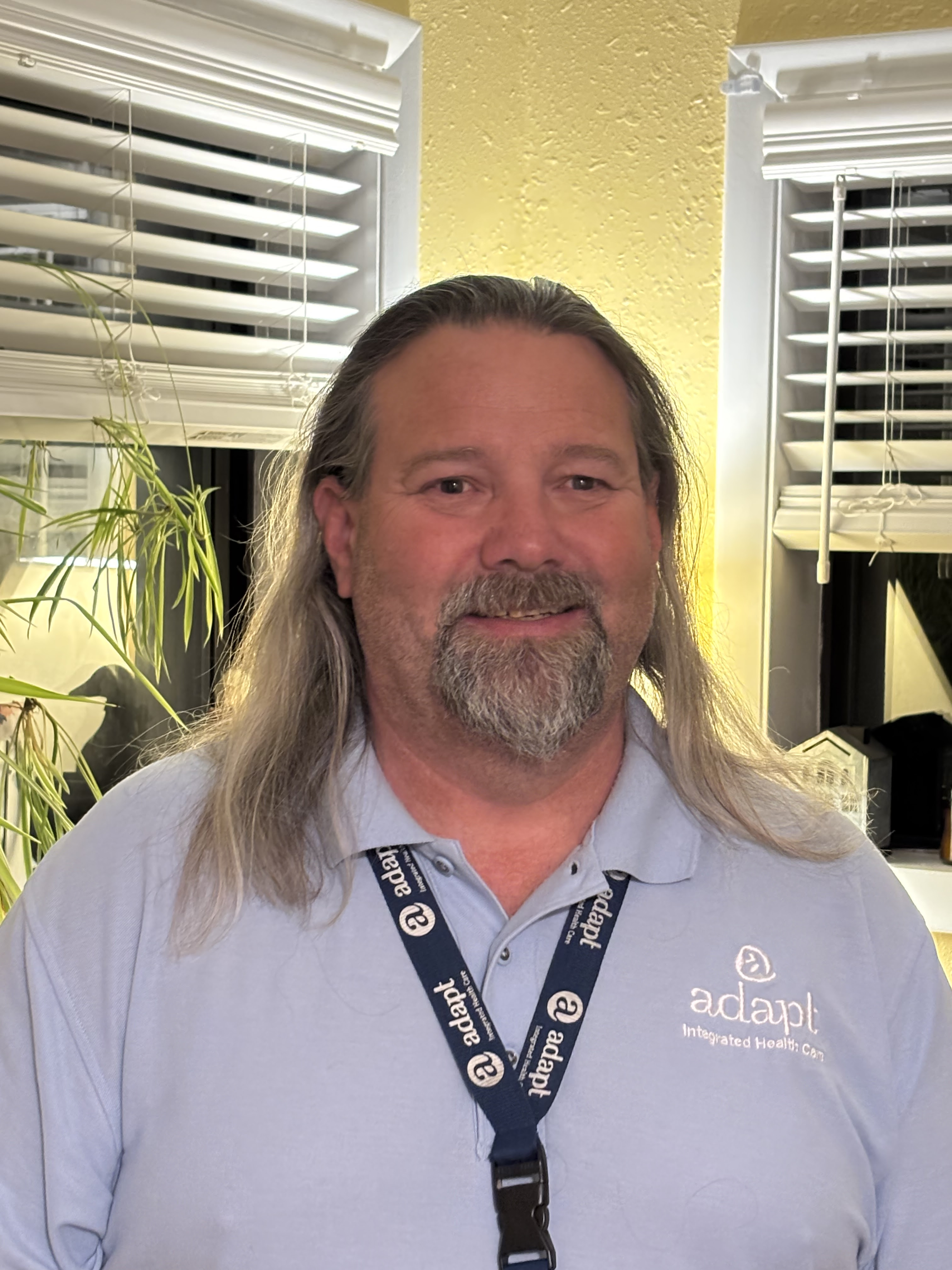
According to Adapt’s profile, Croxton’s own recovery journey shapes how he approaches his work. Decades of helping others navigate addiction and difficult circumstances have taught him that change can take time, and people may need support before they believe their lives can improve. He draws on those experiences to meet people where they are, help them navigate resources and remind them that their past does not have to determine their future.
Croxton, who has been in recovery since May 1995, has worked at Adapt for more than two years. He described peer support as an opportunity to use his own experiences to help others.
“I never thought there was a position like this,” Croxton said. “To have the opportunity to use my own experience to support other people and help them find their way forward is truly a gift.”
The profile recounts a March 2025 encounter in which Croxton and a coworker found a person wrapped in a blue tarp during heavy rain. According to Adapt, the individual was soaking wet and shaking uncontrollably.
When the person indicated they were deaf, Croxton used hand gestures to communicate. He and his coworker helped the individual into their vehicle to get warm, then connected them with dry clothing, a hot shower and a meal.
Croxton also helped with a housing application and advocated with a community partner for placement in a pallet shelter.
According to Adapt’s account, a collarbone injury had left the person unable to continue working. The loss of income led to the loss of housing, followed by temporary stays with family and a friend before the individual began living outside.
At the time the profile was shared, the person had been living in a group home for more than a year. Adapt reported that the individual had connected with Social Security support, primary care and mental health counseling, and had returned to recovery.
The person also underwent surgery for the collarbone injury. Croxton said the individual was recovering well and could now raise an arm overhead.
The two continue to communicate regularly by text, and the individual has been teaching Croxton some sign language.
Croxton recalled another person who arrived at Adapt without shoes, wet and cold. According to the profile, that individual later found housing, began supervising a kitchen and reconnected with a daughter after receiving help from Adapt and other community resources.
“A little bit of help and support and people's lives are just not the same,” Croxton said. “They improve, they get what they need, and they can have positive change in their lives.”
Croxton emphasized that the work involves multiple organizations and services, including housing providers, healthcare professionals and other community partners.
“Adapt is not doing it by themselves,” he said. “It really is a community built together that really helps support individuals become their best selves.”
He said his coworkers’ commitment to serving people continues to motivate him.
“The staff here genuinely cares about the people we serve,” Croxton said. “I have the privilege of working alongside people who share that same desire to support our communities.”
For Croxton, offering encouragement is also part of helping people move forward.
“I love that when sometimes people have no hope, they get to borrow some of my hope, until they can find their own,” he said.
Comments ()